Let's name what's actually happening
Relationship burnout kills arousal faster than almost anything else. Not because you've stopped loving your partner. Not because the relationship is over. But because emotional exhaustion shuts down your nervous system's ability to access desire in the first place.
You've probably already figured out that willpower doesn't work here. You can't think your way back into arousal. And forcing sex when your body is signaling "no" just builds resentment on both sides.
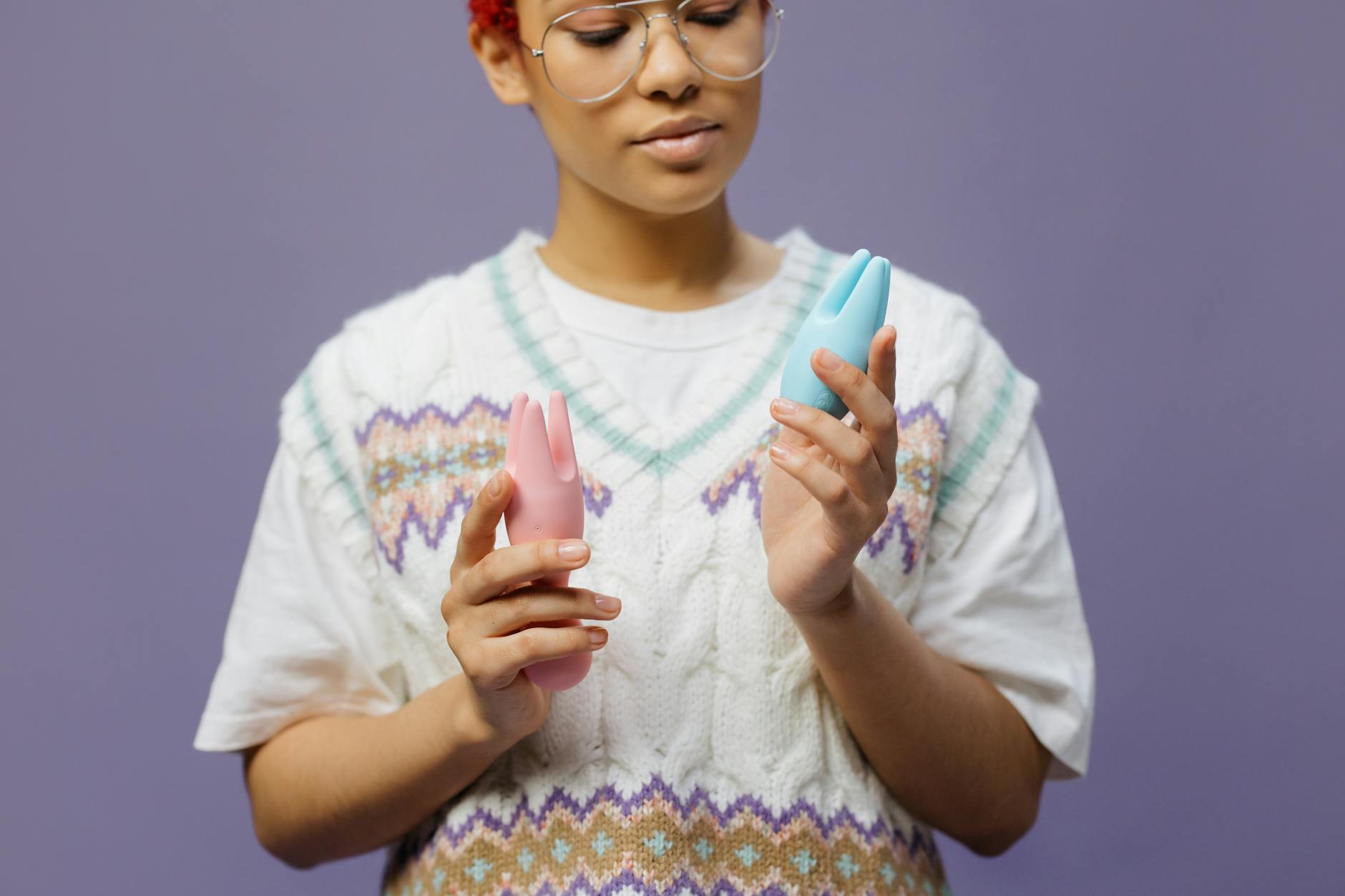
Here's what I see clinically: lemon vibrators help because they work differently than traditional vibration. They don't demand anything from your mind. They just wake up sensation in your body, which is often the first step toward rebuilding desire.
Why burnout specifically deadens arousal
When you're emotionally depleted, your parasympathetic nervous system (the one responsible for rest, digestion, and arousal) goes offline. Your body is stuck in sympathetic mode: alert, protecting, conserving. You're not frigid. You're not broken. You're dysregulated.
Add to that the particular flavor of relationship burnout: resentment over unequal labor, fatigue from being the emotional manager in the relationship, or that slow drift where you feel more like roommates than partners. Desire doesn't survive that. It needs emotional safety, and burnout erodes it daily.
The cruel part? The more pressure you feel to have sex, the further your body retreats. Sex becomes another obligation. Another thing you're not doing right. And your nervous system learns that intimacy is a threat, not a safe space.
That's where lemon clitoral vibrators change the equation.
How suction works when your nervous system is offline
Traditional vibrators ask your body to respond to mechanical stimulation. They're fast, direct, and efficient. But when you're burned out, efficiency is the problem. Your nervous system is already overstimulated. It doesn't want more input. It wants regulation.
Lemon vibrators work through suction, not vibration. That's a completely different signal to your nervous system. Suction creates sustained pressure rather than rapid stimulation. It's gentler, more rhythmic, and closer to the kind of sensation that actually calms your nervous system down while building arousal.
In practical terms: you can use a lemon vibrator at a lower intensity setting and still feel something profound. The sensation builds slowly. It doesn't demand. It invites.
Many of my clients report that using a lemon vibrator solo (without partner pressure) is the first time in months they've felt their body respond to pleasure at all. Not because something is magically healing the relationship. But because they're giving their body permission to feel something good without guilt attached.
The psychological reset you actually need
Here's what I tell burned-out partners: pleasure with zero stakes attached is medicine.
When you're depleted, sex with a partner comes loaded with expectations (yours and theirs), performance pressure, and the weight of "I should want this." That context is toxic for arousal.
Using a lemon vibrator solo separates pleasure from obligation. It's not foreplay. It's not leading to anything. It's just you, your body, and a sensation that feels good. That's radical when you've been running on empty.
After a few weeks of solo reconnection, something shifts. Your body remembers that pleasure exists. Your nervous system gets evidence that sensation is safe. And sometimes, that's enough to change how you show up with your partner.
Note: solo play is not a substitute for addressing the burnout itself. That requires conversation, often with a couples therapist. But somatic reconnection through lemon vibrators can happen in parallel with that work.
The physical changes you might notice
When you start using a lemon vibrator regularly (even just once or twice a week), a few things typically happen.
First, sensation returns. Burnout often creates a kind of emotional numbness that extends into the body. You might find that areas of your body that felt dead or numb are suddenly responsive again.
Second, arousal builds more easily. Once your nervous system has evidence that pleasure is possible, desire starts to flow again. Not all at once. But progressively.
Third, your natural lubrication typically improves. When you're burned out, your body doesn't produce enough lubrication. Part of that is physical. Part is psychological. When you're reconnecting to pleasure, both tend to shift.
Fourth, orgasms often become more accessible. Burnout flattens the orgasmic response. Lemon vibrators, with their sustained suction pattern, often help people rediscover deeper, more satisfying orgasms relatively quickly.
This doesn't fix a broken relationship. But it does tell your body that feeling good is an option again.
When solo play becomes partnered play
If your relationship is worth saving (and burnout doesn't automatically mean it isn't), there's a path forward that doesn't require forcing desire before you're ready.
Start solo. Reconnect to your body. Once you're getting sensation back and your nervous system is less dysregulated, you can introduce lemon vibrators into partnered sex without it feeling like another performance.
Many couples find that using a lemon vibrator together actually softens the dynamic. There's less pressure on penetration or on the partner to "do" something. The vibrator is doing the work. Both of you get to focus on connection instead of performance.
That shift matters. It's often the first moment where sex feels collaborative again instead of transactional.
The conversation you need to have first
If you're considering bringing a lemon vibrator into partnered play, your partner needs to understand what's really going on.
This isn't about your partner being inadequate. This is about your nervous system being offline. Plenty of high-libido, attentive partners can't change the fact that their burned-out spouse's parasympathetic nervous system is shut down.
When you frame it that way, most partners understand. They also often feel relief. They've probably been blaming themselves too.
If your partner resists the idea of a lemon vibrator, that might be worth exploring in therapy. Resistance often signals something else: insecurity, outdated beliefs about sexuality, or their own burnout.
The real fix (it's not the vibrator)
I want to be clear about something: a lemon vibrator will not fix the underlying burnout.
If you're burned out because emotional labor is unequal, the vibrator won't distribute that labor. If you're resentful because your partner isn't showing up, the vibrator won't change their behavior. If the relationship is fundamentally mismatched, a lemon vibrator is just a nice toy, not a cure.
What the vibrator does is create space for your body to feel good while you do the actual work of addressing the burnout. That might be setting boundaries. That might be going to therapy as a couple. That might be having a serious conversation about whether the relationship is salvageable.
But you can't do that work from a place of complete numbness. Your body needs to know pleasure is possible again first.
Frequently asked questions
Can a lemon vibrator replace therapy for relationship burnout?
No. Therapy is the actual work. A lemon vibrator is an adjunct. It helps your body heal while you address the root causes. Think of it as nervous system regulation alongside relational repair, not instead of it.
Will using a lemon vibrator solo make me want my partner less?
Often the opposite. When your nervous system is regulated and your body can feel pleasure again, you often feel more capacity for connection with your partner, not less. That said, reconnecting to your own pleasure might clarify whether you want this relationship at all. That's valuable information.
How long does it take for arousal to come back?
It varies, but most people report noticing changes within 2-4 weeks of regular solo play. Some faster, some slower. The point is consistency, not frequency. Once or twice weekly is usually enough.
Is it weird to use a lemon vibrator if I'm in a relationship?
Not even slightly. Solo play is not a threat to partnership. It's self-care. Many couples find that both partners using lemon vibrators solo (or together) is actually a strengthening practice.
What if my partner wants to use it but I don't?
That's fine. You don't have to. Solo play is just one tool. If conversation, couples therapy, and other forms of reconnection are working, you might not need it. Honor your own comfort.
Can a lemon vibrator help if I'm already on antidepressants?
Maybe. Some antidepressants flatten arousal, and some don't. If yours does, a lemon vibrator can sometimes help by working with a different sensory pathway than medication dulls. But this is worth discussing with your prescriber. You might also benefit from exploring how lemon vibrators work when antidepressants affect arousal.
The path forward
Relationship burnout is real. It's not a lack of love. It's a depletion of nervous system capacity. And yes, you deserve to feel good again.
A lemon vibrator isn't magic. But it can be the permission your body needs to remember that pleasure exists. From there, everything else becomes possible. The conversation with your partner. The therapy work. The honest assessment of whether this relationship serves you.
But first, your body needs to feel something good with zero strings attached. That's where to start.