
Let's talk about what happens when your body is healing
Post-surgical recovery isn't just about the incision closing. Your nervous system has been through trauma. Your pelvic floor muscles have been stretched, cut, or reconstructed. Sensation often feels muted, disconnected, or weirdly heightened all at once. The thought of touching the area, let alone experiencing pleasure there, can feel impossible.
Here's what I want you to know: it's not impossible. It's just different. And a lemon clitoral vibrator, used at the right time and in the right way, can be one of the most powerful tools for rebuilding both sensation and confidence.
Why suction feels safer than vibration during healing
After surgery or pelvic floor reconstruction, your tissues are fragile in ways they usually aren't. Direct vibration, even at low settings, can feel jarring or painful because the nerves are hypersensitive and the tissue is still repairing itself. Suction works differently.
Instead of pushing or shaking, suction creates a gentle pulling sensation that stimulates nerves without the same mechanical pressure. This matters enormously post-surgery. The clitoris has thousands of nerve endings, and suction engages them in a way that feels less aggressive to healing tissue. You're not vibrating a bruised area. You're gently calling nerve endings back to life.
Many of my clients find that lemon vibrators feel almost meditative compared to traditional vibrators during recovery. The sensation is rhythmic and consistent, rather than chaotic. Your nervous system has already been stressed. Suction doesn't add to that stress in the same way.
The timeline that actually matters
Your surgeon will probably tell you six weeks before penetrative activity. That's real guidance and you should follow it. But pleasure? That conversation usually doesn't happen, which means you're left guessing.
Here's a more nuanced timeline:
Weeks 1-2: No genital touch. Your body is processing acute trauma. Rest.
Weeks 3-4: You can begin very gentle external exploration of non-surgical areas. If surgery was on the vulva or perineum directly, wait longer. If it was internal (hysterectomy, bladder procedures), external touch to the clitoris becomes possible once your pain medications are mostly gone and you're not bleeding heavily.
Weeks 5-6: This is when many people feel the urge to reclaim their body. If your surgeon has cleared light activity and you're pain-free at rest, starting with a lemon vibrator on its lowest setting, held away from the body (not inserted, not in direct contact), lets you reintroduce sensation gradually.
Weeks 7+: Once you're fully cleared for exercise and sitting is comfortable, direct contact becomes possible. This is when the real rebuilding of sensation starts.
But this timeline assumes straightforward recovery. Complications, significant pelvic floor reconstruction, or abdominal surgery change the picture. Always check with your surgeon or pelvic floor physical therapist before starting.
How to use a lemon vibrator safely during post-op recovery
Let's be practical. You need specific steps, not vague encouragement.
Step 1: Confirm you're ready. No active bleeding. No severe pain at rest. You can sit for thirty minutes without significant discomfort. Your surgeon has given the okay for any genital touch. If all four are true, you're ready to begin.
Step 2: Start with proximity, not contact. Hold your lemon vibrator on its lowest setting (usually pattern 1 or 2 on a lem vibrator) near but not touching your body. You're checking in: Does the sensation feel okay? Does proximity make you anxious? This sounds silly but it matters. Your nervous system has learned to protect the surgical area. Reintroducing pleasure requires rebuilding trust with that part of your body.
Step 3: Move to very light contact. Once proximity feels manageable, brush the vibrator lightly against the outer labia or lower abdomen. Not the surgical scar. Not the clitoris itself yet. Just neighboring tissue. Spend five to ten minutes here. You're teaching your nervous system that touch and pleasure can coexist in this region again.
Step 4: Graduate to gentle clitoral suction. After several sessions of light contact, move the vibrator to the clitoris on its lowest setting. Don't press. Let the suction cup sit lightly. You might feel almost nothing the first few times. That's normal. Sensation is rebuilding. After surgery, this moment of reconnection can feel surprisingly emotional. It's not just pleasure coming back. It's your sense of self returning.
Step 5: Build duration and intensity gradually. Add a few minutes per session. Increase intensity only when lower settings feel genuinely easy and pleasurable, not just tolerable. This might take weeks. Don't rush it.
What to expect (the honest part)
Sensation after surgery often returns unevenly. One side of your clitoris might wake up before the other. Orgasms might feel different. Some of my clients report that their first post-surgery orgasms feel like a low hum instead of the usual peak. Others describe heightened sensitivity that takes time to settle into pleasure instead of feeling like pain.
This is normal. Your nervous system is rewiring. Patience is not optional.
You might also find that emotional stuff comes up. Reclaiming your sexuality after medical trauma isn't just physical. Pleasure has been off the table. Your body has been medicalized, examined, treated as a problem to be solved. Turning that same area back into a source of joy takes mental and emotional work alongside the physical.
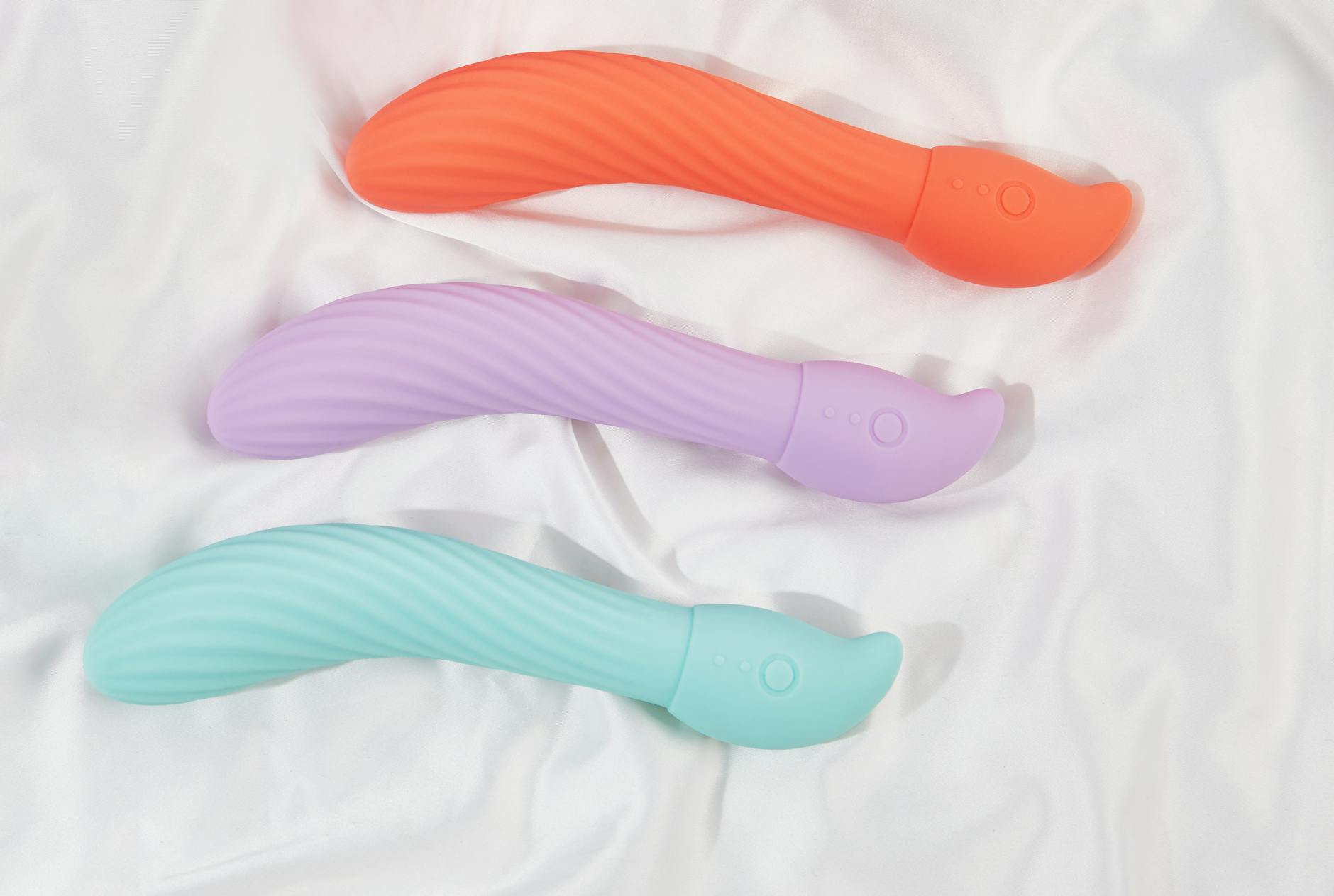
Photo by IFONNX Toys on Pexels
When pelvic floor dysfunction complicates recovery
If your surgery involved pelvic floor reconstruction or if you're dealing with post-surgical pelvic floor dysfunction, suction becomes even more valuable. Tight, guarded pelvic floor muscles get tighter when they're afraid. A lemon vibrator's gentle sensation can help retrain those muscles to relax and respond to pleasure again instead of bracing for pain.
But here's the catch: if pelvic floor dysfunction is significant, you'll want to pair vibrator use with pelvic floor physical therapy. A PT can show you how to use a lemon vibrator alongside breathing and relaxation work so that pleasure actually reaches your brain instead of getting intercepted by a protective muscle spasm.
Many physical therapists are now recommending gentle suction vibrators specifically for this reason. The lem vibrator, with its gradual intensity levels, has become part of recovery protocols at some clinics. You might ask your PT if they've worked with clients using suction toys during recovery.
The partner conversation, if there is one
If you have a partner, they're probably worried too. Surgery changes the dynamic. They might be afraid of hurting you. You might be afraid of disappointing them by not being ready. Those feelings make sense and they need naming.
Using a lemon vibrator solo first isn't selfish. It's smart. You rebuild your own relationship with your body before bringing another person into the equation. Once you're comfortable with solo pleasure, bringing a partner back in becomes much easier because you already know what feels good and when you're ready to intensify.
If your partner wants to participate earlier, that's valid too. The key is communication. "I'm going to use this tonight and see what works. When I'm ready, I'd love to explore with you." That keeps both of you on the same team instead of worried about the same things separately.
When to loop in your healthcare team
If two months post-surgery and you're still experiencing sharp pain during light genital contact, tell your surgeon or pelvic floor PT. If sensation isn't returning at all by month three, same thing. If using a vibrator triggers bleeding or increased pain, stop and check in with your care team.
Post-surgical complications are real. Most recovery goes smoothly, but some doesn't. Staying in communication with your healthcare providers means you catch problems early instead of spiraling alone wondering if something's wrong.
Recovery from gynecological surgery is about more than healing the incision. It's about reclaiming pleasure, rebuilding trust in your body, and rediscovering yourself as a person capable of joy. A lemon vibrator won't do that alone. But as part of a thoughtful, gradual return to sensation, it can be transformative. You don't have to choose between safety and pleasure. With patience and the right tool, you get both.