
Let's talk about what aging actually does to orgasms
Honestly, the orgasms you're having now might not feel as sharp as they did at 25. That's not failure. That's biology. And here's the part nobody explains clearly: sensation strength can absolutely be rebuilt.
Orgasm intensity is not fixed at birth. It's a skill that depends on neurological response, tissue health, blood flow, and mental presence. All four of those things shift with age. All four can also be trained back up.
Why orgasms feel different (and sometimes quieter) as you age
Your body changes. Between 40 and 60, several things happen simultaneously that affect how orgasms register:
Nerve sensitivity shifts. The clitoris doesn't lose sensation, but the threshold for stimulation changes. Lighter touch might feel less intense. Faster patterns might register as buzzy instead of deep.
Blood flow dynamics change. Arousal takes longer because vascular response is slower. Orgasms themselves might feel more concentrated in one spot instead of full-body waves.
Pelvic floor tone decreases. The muscles that contract during orgasm lose some elasticity and strength. This means the rhythmic grip of an orgasm feels shallower even though it's still happening.
Hormonal shifts affect tissue. Whether you're perimenopausal, post-menopausal, or just aging naturally, estrogen changes make tissue thinner and less elastic. This shouldn't make orgasms impossible, but it does change what kind of stimulation works best.
Here's what doesn't change: your brain's capacity for pleasure, your clitoral nerve density, or your ability to orgasm intensely with the right approach.
Why suction (and the Lem) works so much better for weaker orgasms
Traditional vibrators work through rapid friction. That works great when tissue is thick and responsive. But as you age, friction can feel either too intense (if you're sensitive) or too surface-level (if you need deeper stimulation).
Suction works differently. Instead of shaking, it gently pulls tissue into the device. This creates a chain reaction: the suction stimulates deeper nerve endings without requiring friction. For aging bodies, this feels richer, more focused, and paradoxically more intense even at lower settings.
A lemon clitoral vibrator uses air-pulse technology. It's not vibration. It's rhythmic suction. That distinction matters because suction engages the entire clitoral body (internal and external), not just the surface of the glans.
When orgasms have felt weaker, it's often because traditional vibrators were only reaching the outermost layer of nerve endings. Suction reaches deeper. Deeper stimulus produces stronger, more sustained contractions.
How to rebuild orgasm intensity step by step
Think of this as strength training for sensation. You wouldn't expect to run a 5K after not exercising for five years. Same principle applies here.
Week 1: Establish baseline sensation. Spend 15 minutes with your lemon sucker at setting 1 or 2. Don't chase an orgasm. Just notice what you feel. Where is the sensation strongest? How long does arousal take to build? What patterns feel interesting versus numbing?
Week 2: Extend warm-up time. Arousal takes longer with age. Budget 20 to 30 minutes instead of the 10 you might have done at 30. Spend the first half on gentle touching, breathing, maybe some fantasy. Use the lem only in the second half, after you're already warm.
Week 3: Layer in pelvic floor awareness. Before using your lemon vibrator, spend five minutes consciously relaxing your pelvic floor. Tight pelvic floor muscles actually dampen orgasm intensity. You want to be relaxed before you start. Then, as you approach orgasm, consciously squeeze and release the pelvic floor muscles in rhythm with the suction. This teaches your body how to use those muscles effectively again.
Week 4+: Increase pattern intensity gradually. Now that your baseline is set and your warm-up is longer, you can experiment. Move from setting 2 to setting 3. Try different pulse patterns. Notice where intensity peaks. Don't rush. This rebuild takes weeks, not days.
Most people report noticeably stronger orgasms within four weeks of consistent practice. Some take longer. That's fine. You're rewiring neural pathways, not popping a pill.
The mental piece (which actually matters more than the device)
Orgasm intensity is not pure biology. It's roughly 40 percent mental. Aging can trigger real anxiety around sexual function. "Am I broken?" "Will this ever feel good again?" That anxiety literally dampens the nervous system.
The most important shift you can make is permission. Permission to spend 30 minutes on yourself. Permission to not chase an outcome. Permission to stop if something feels off. Permission to be curious instead of goal-oriented.
When you stop white-knuckling an orgasm and start exploring sensation, the intensity often returns on its own. The lemon vibrator becomes a tool for exploration, not a performance fix.
Physical changes that amplify the effect
Three additions that make a massive difference alongside the lem vibrator:
Kegel exercises. Yes, they work. Do them daily. Twenty reps of five-second squeezes. Strong pelvic floor muscles contract harder during orgasm. Stronger contractions feel more intense.
Longer foreplay with your partner or alone. Rushing sexual response is the fastest way to flatten orgasm intensity. Build arousal slowly. Your body needs time to fill with blood and release oxytocin. That takes 20 to 30 minutes minimum. Once you're actually aroused, the lem does its job faster and more intensely.
Consistent alone time with stimulation. Orgasms are a skill. Using your lemon vibrator alone twice a week keeps the neural pathways lit up and responsive. It's not selfish. It's maintenance.
When to see a doctor (because sometimes it's medical)
If orgasms disappeared completely and aren't returning after four weeks of consistent exploration, see your doctor. Some medications do flatten sexual response permanently. Some hormone levels genuinely need adjustment. Genitourinary syndrome of menopause (thinner, less lubricated tissue) responds beautifully to topical estrogen.
But if orgasms feel weaker rather than absent, you're almost certainly looking at a nervous system that needs retraining and tissue that needs better blood flow. Both respond well to the approach above.
The part no one tells you
Some people report that their best orgasms come after 50. Not the most frequent, but the most intense. This happens because you stop performing and start feeling. You know your body. You're not anxious about pregnancy or proving anything. You can afford to slow down.
Weaker orgasms at 40, 50, or 60 are not a decline. They're a reset. What you're building now can be richer than what you had before, if you're willing to explore it with patience and the right tools.
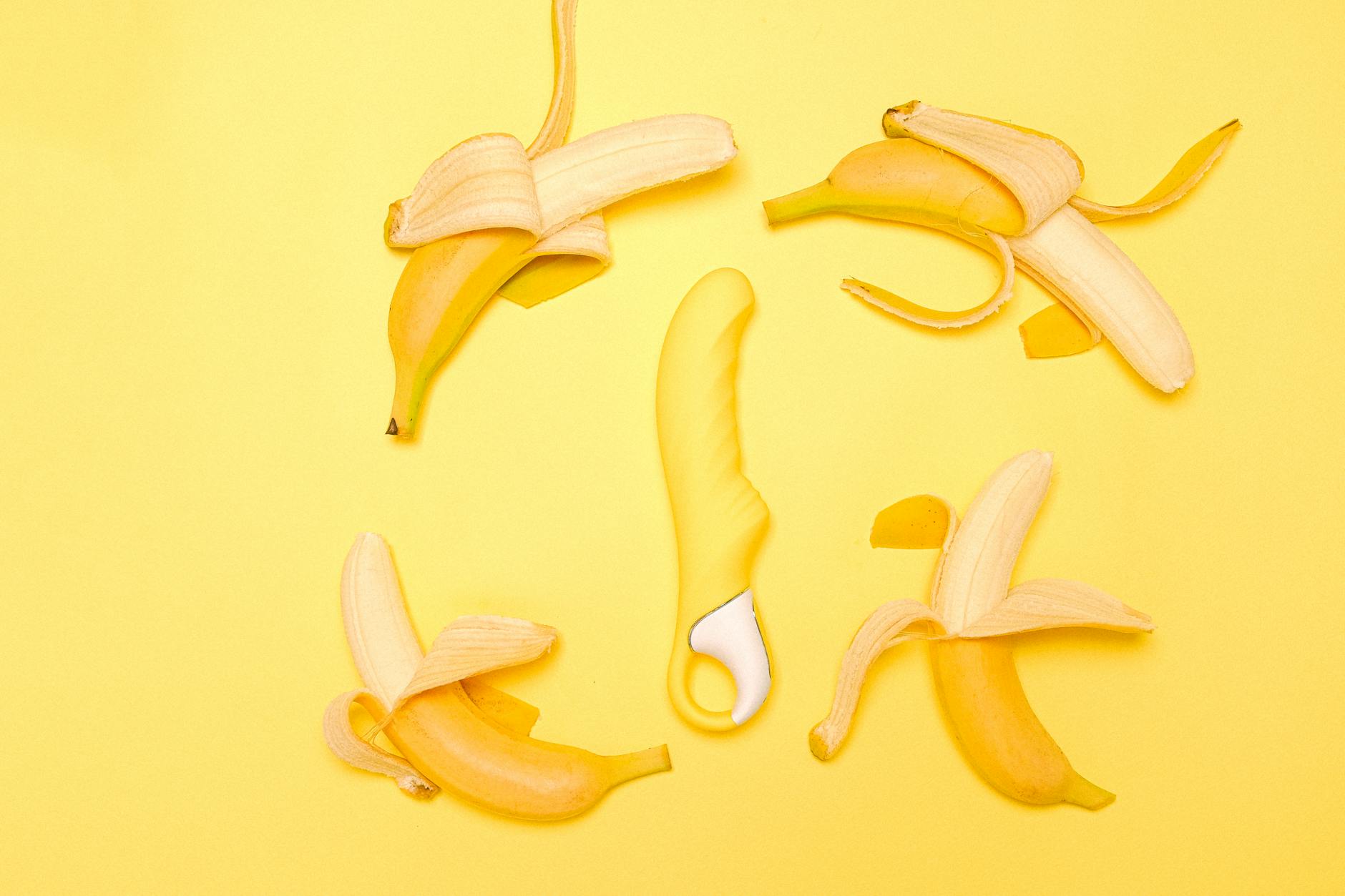
Photo by FounderTips on Pexels
FAQ: Rebuilding orgasm intensity with age and the lemon vibrator
Can a lemon sucker actually restore orgasm intensity that's faded with age?
Not by itself, but it's the most effective single tool. Suction reaches deeper nerve endings than traditional vibration. Combined with longer warm-up, pelvic floor work, and consistent practice, yes. Most people report stronger orgasms within 4 to 6 weeks. The key is consistency and patience. It's the training protocol, not just the device, that restores intensity.
Why do orgasms feel weaker when you age, even if you're still healthy?
Multiple factors converge. Tissue thins and becomes less elastic, making stimulation feel more surface-level. Blood flow fills more slowly, so arousal takes longer to build. Pelvic floor muscles lose tone naturally. Hormonal shifts affect vascular response and nerve sensitivity. None of these are permanent or unfixable. They're changes that require adjustment, not acceptance of permanent loss.
Should I use a different intensity setting on the lem vibrator as I age?
Yes, but not in the direction most people assume. Older bodies often need lower initial settings but longer warm-up time. Start at setting 1 or 2 after 20 minutes of arousal, not at setting 3 or 4 after five minutes. The longer warm-up does more work than higher intensity. Once you're deeply aroused, lower intensity feels stronger because the tissue and nervous system are already engaged.
How long does it actually take to rebuild orgasm sensation strength?
Two to four weeks for noticeable improvement if you're using the lem consistently (2 to 3 times per week minimum). Six to twelve weeks for significant restoration. Some people feel the difference in one session if they slow down and extend warm-up time. But lasting change happens through repeated practice. Your nervous system rewires through repetition.
Does pelvic floor tension make orgasms feel weaker?
Absolutely. Tight pelvic floor muscles restrict blood flow and dampen the rhythmic contractions that create orgasm intensity. Before using your lemon clitoral vibrator, spend five minutes consciously relaxing the pelvic floor. Breathe deeply, visualize release, maybe use gentle touch. Then, as you approach climax, actively squeeze and release in rhythm with the suction. This retrains the muscles to contract efficiently.
Is it normal for orgasm intensity to fluctuate with age, or is that a sign something's wrong?
Completely normal. Orgasm intensity fluctuates based on stress, sleep, hormones, and how aroused you actually are (not how you think you should be). Aging amplifies these fluctuations. Some weeks will feel stronger than others. Track patterns over months, not days. If intensity drops overall and doesn't improve after four weeks of consistent warm-up and the lem vibrator, check in with your doctor about medication side effects or hormonal shifts.
Next steps
Orgasm intensity is not a straight line. It's responsive. It changes with your body, your life, and your attention. A lemon vibrator designed for deeper suction gives you a tool that works with aging bodies, not against them. But the tool only works if you're willing to slow down, warm up fully, and practice consistently.
If you're navigating relationship changes alongside aging, how to ease back into sex with a lemon vibrator after months apart walks through rebuilding sensation when you and a partner have lost physical rhythm. Or if aging coincides with hormonal shifts, the science in lemon vibrator for better sensation after thyroid medication changes applies broadly to how pharmaceutical changes affect orgasm.
Your pleasure matters. Building it back up is worth the time.
Ready to explore what works for your body? Start with lower settings, longer warm-up, and patience. Everything else follows.