The timing problem nobody talks about openly
Here's the thing about mismatched finish times: it's wildly common, rarely discussed, and almost always blamed on the wrong person. Your partner finishes in 5 minutes. You're just getting started at minute 10. Then comes the awkwardness. They're done. You're frustrated. And suddenly what should feel connecting feels like a timing mismatch you can't fix.
The trap is thinking this is a performance issue. It's not. It's a physiological reality that most partners never address head-on because talking about it feels like criticism.
Why partners finish faster (and why it's not about attraction)
Biologically, people with penises typically reach orgasm through repetitive friction. It's a straightforward physical stimulus-response. People with clitorises typically need clitoral stimulation, longer arousal buildup, and often a different intensity arc. These aren't flaws. They're just different wiring.
When you're having partnered sex and relying solely on penetration, the person providing penetration gets continuous friction stimulation. The person receiving gets intermittent clitoral touch, if any. Then they're surprised when one person climaxes and the other hasn't had adequate clitoral contact to reach the same point.
Add in the pressure of "shouldn't take this long" and many people mentally check out before their body gets a real chance. Anxiety kills arousal. And that's where most couples get stuck.
How a lemon vibrator actually solves this
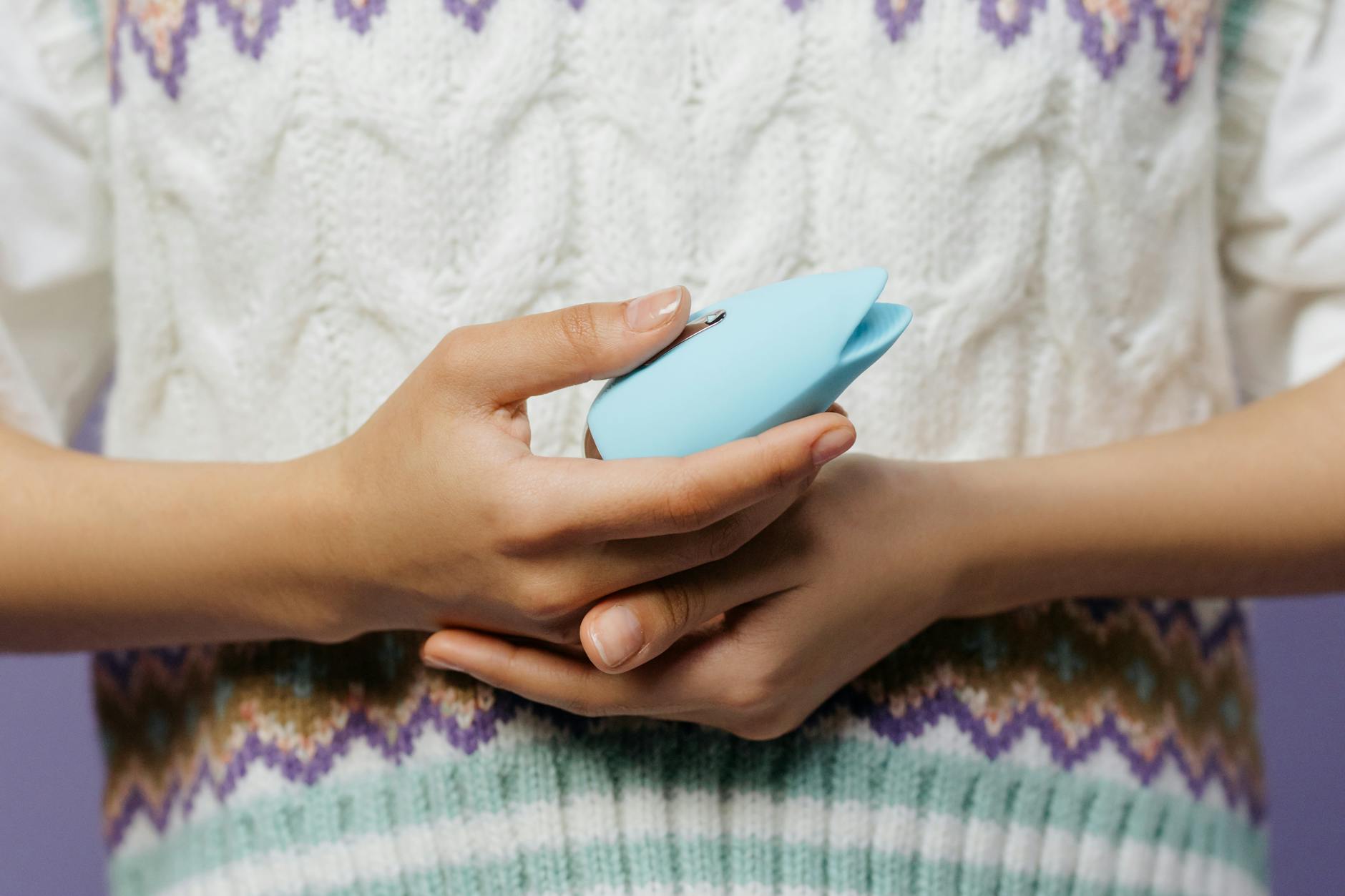
A lemon clitoral vibrator changes the equation entirely. Here's why it works when standard approaches don't.
First, it gives you independent stimulation. You're not dependent on your partner's rhythm, positioning, or stamina. You control the intensity, pattern, and duration. That shift alone removes the pressure that usually shrinks arousal.
Second, clitoral vibrators like the Lem use suction and pulsing rather than vibration alone, which stimulates the internal clitoral structure differently than hands or penetration can. Many people find they reach orgasm faster with a lemon vibrator not because it's "stronger" but because it's the kind of sustained, targeted stimulation that actually works for their body.
Third, it takes the performance pressure off your partner. They're no longer trying to be your sole source of stimulation. They can focus on what feels good for them, and you both reach satisfaction without resentment building.
The positioning setup that works best for couples
Honestly though, positioning matters way more than people think. You can't use a lemon vibrator effectively if you're lying flat on your back in missionary with no clearance between your bodies.
Here are the positions that actually work:
You on top (cowgirl or reverse cowgirl). You control the depth and rhythm of penetration while having full access to your clitoris. A lemon clitoral vibrator sits perfectly between your body and your partner's in standard cowgirl. You can angle it exactly where it needs to be and adjust as sensation changes. Your partner stays engaged but doesn't have to "do" anything specific for clitoral stimulation.
Spooning from behind. This one is wildly underrated. Your partner enters from behind, and you have complete access to use a lemon vibrator on your clitoris. The angle means less deep penetration, which often works better when you're also using clitoral stimulation. Bonus: you're facing the same direction, so you can see each other's faces in a mirror if that matters to you.
Both seated, facing each other. Less common but incredibly intimate. You sit on your partner's lap or between their legs, and you have full control of penetration depth while using a lemon vibrator. Your partner can hold you, kiss you, and be present without being the only source of sensation.
Side by side, legs interlocked. Shallow penetration, maximum access to clitoral stimulation. Less intense but often better for longer sessions where you want sustained sensation without fatigue.
The timing conversation you actually need to have
None of this works if you haven't said the quiet part out loud to your partner. And I mean the actual quiet part, not a soft hint they might miss.
"I enjoy sex with you. I also need clitoral stimulation to orgasm consistently. That usually takes longer than penetration alone provides. I'm thinking about using a lemon vibrator during sex so I can reach orgasm at my own pace without either of us feeling rushed." That's it. That's the conversation.
Notice what that statement does. It removes shame from both of you. It's not "You finish too fast." It's "My body works this way." It's not a complaint. It's information.
Most partners respond with relief. They're often stressed about exactly this dynamic. Naming it clearly usually opens up a conversation where you both realize you've been silently frustrated about the same thing.
The settings and patterns that build toward intensity
Lemon vibrators typically come with multiple intensity levels and patterns. Most people jump straight to max, which can actually numb sensation quickly.
Here's what I suggest: start at pattern 1 or 2, intensity 2 or 3. Let your body warm up to the sensation. Arousal doesn't happen in a straight line. It builds in waves. If you start at maximum intensity, your nervous system can't escalate further. You cap yourself out.
After 3-5 minutes at a lower level, move to a different pattern or increase intensity slightly. Your nervous system registers the change as novel stimulation, and arousal can climb again. Most people find they need 2-4 pattern or intensity shifts before reaching orgasm. That's totally normal and actually allows for longer buildup and often stronger climax.
Pay attention to what your partner is doing too. If they're close to finishing, you might need to speed up your pattern changes or intensity increases to meet that timing window. Or you might intentionally slow down so they don't reach orgasm before you're ready. A lemon vibrator gives you that control.
Why communication during sex matters more than perfect technique
Here's what I see in relationships constantly: the partner who finishes quickly starts pulling back, going softer, trying to last longer out of anxiety. That actually makes clitoral stimulation worse for the other person, which makes everything take longer, which creates more stress.
Instead, keep talking. "I'm close." "I need about 5 more minutes." "Keep going." "Slow down." Short, simple, during-sex communication removes the guesswork. Your partner isn't a mind reader. And frankly, most people find dirty talk during sex hot anyway. So talk.
If using a lemon vibrator during penetration feels awkward the first time, say that. Try a different position. Laugh about it. It's genuinely funny the first time you're coordinating a vibrator with another body. That's okay.
When to use the lemon vibrator solo before trying it with a partner
Honestly, I recommend this: spend 2-3 solo sessions with your lemon vibrator first. Understand how it feels, what patterns work for your body, how long arousal usually takes, what intensity levels actually feel good versus just intense.
Why? Because when your partner is present, there's performance pressure. You're also managing their experience alongside your own. If you already know your own body's response pattern, you can focus on the partnered experience instead of figuring out the tool at the same time.
Plus, solo sessions with a lemon clitoral vibrator are genuinely excellent. No timing pressure. No performance expectation. Just learning what your body actually wants when it has full agency.
FAQ: Common questions about lemon vibrators and couples timing
Does using a lemon vibrator during sex mean my partner isn't "enough"?
No. Full stop. A lemon vibrator isn't a replacement for partnered sex. It's an addition that addresses a biological mismatch. Your partner's penetration feels good. Clitoral stimulation feels good. Both together feel better. That's not a deficit. That's how bodies work.
Will my partner feel insecure if I use a vibrator during sex?
Some do initially, especially if they've internalized the myth that they should be able to make you orgasm through penetration alone. That's where the conversation matters. Frame it as "I want this so we can both enjoy sex more" rather than "I need this because you're not doing enough." You're solving a problem together, not pointing out a failure.
Can I reach orgasm faster with a lemon vibrator than with my partner alone?
Often yes, because clitoral stimulation is typically the most direct path to orgasm for people with vulvas. That doesn't mean partnered sex is "worse." It means different stimulation produces different results. Partnered sex involves emotional connection, intimacy, and sensation your partner provides that a vibrator can't. Those are separate experiences, both valuable.
What if my partner wants to finish but I'm not there yet?
That's where you decide together. Some couples prefer to do separate finishes where your partner pulls out, you use the lemon vibrator solo for a few more minutes, and then you climax. Others prefer simultaneous finish, so your partner waits. Some couples do multiple rounds where your partner reaches orgasm, rests, and then initiates round two when you're ready. There's no "right" way. What matters is you both agree on it beforehand.
Does lemon vibrator use work with condoms?
Yes. Position it so it's not pinched, and it works fine. Water-based lube helps. Make sure condoms are standard male-pattern latex, not lambskin, because lambskin can degrade if exposed to silicone-based lube (though a lemon vibrator typically uses water-based lube, so this is rarely an issue).
How do I introduce a lemon vibrator to my partner if they've never mentioned it?
As information, not as a solution to their problem. "I read this thing about couples using clitoral vibrators during sex. I'm interested in trying it. Would you be open to that?" You're not saying they're failing you. You're expressing curiosity about something that might feel good for both of you. Most partners respond positively when it's framed as exploration, not criticism.
The real payoff is the conversation, not just the vibrator
Honestly, the lemon vibrator is the tool. But the real shift happens when you and your partner finally talk about timing, pleasure, and what actually works for both your bodies instead of pretending it's all fine when it's not.
Many couples I work with find that having this conversation leads to other conversations. About desire. About what they actually enjoy versus what they think they should enjoy. About the difference between being good at sex and feeling genuinely satisfied.
That's where real intimacy lives. Not in perfect timing or perfect technique. In the willingness to say "this isn't working" and solve it together instead of silently resenting each other.
A lemon vibrator makes that conversation easier because it's a concrete tool, not just criticism. You're not saying "I need this because you're not enough." You're saying "I want this so we can both feel better." And that changes everything.
Start with the conversation. The vibrator just makes the rest feel easier.