The arousal timeline shift nobody warns you about
Honestly though, here's what most people don't realize until they're in it. Arousal takes longer now. Not sometimes. Most of the time. What used to fire up in seconds now needs ten minutes, twenty, sometimes half an hour. And the first thing everyone assumes is that something's broken.
It's not. Your body is aging the way every body ages. Blood flow changes. Hormone levels shift. The neural pathways that fire up sensation work more like a dimmer switch than an on-off button. This is normal. This is also completely solvable.
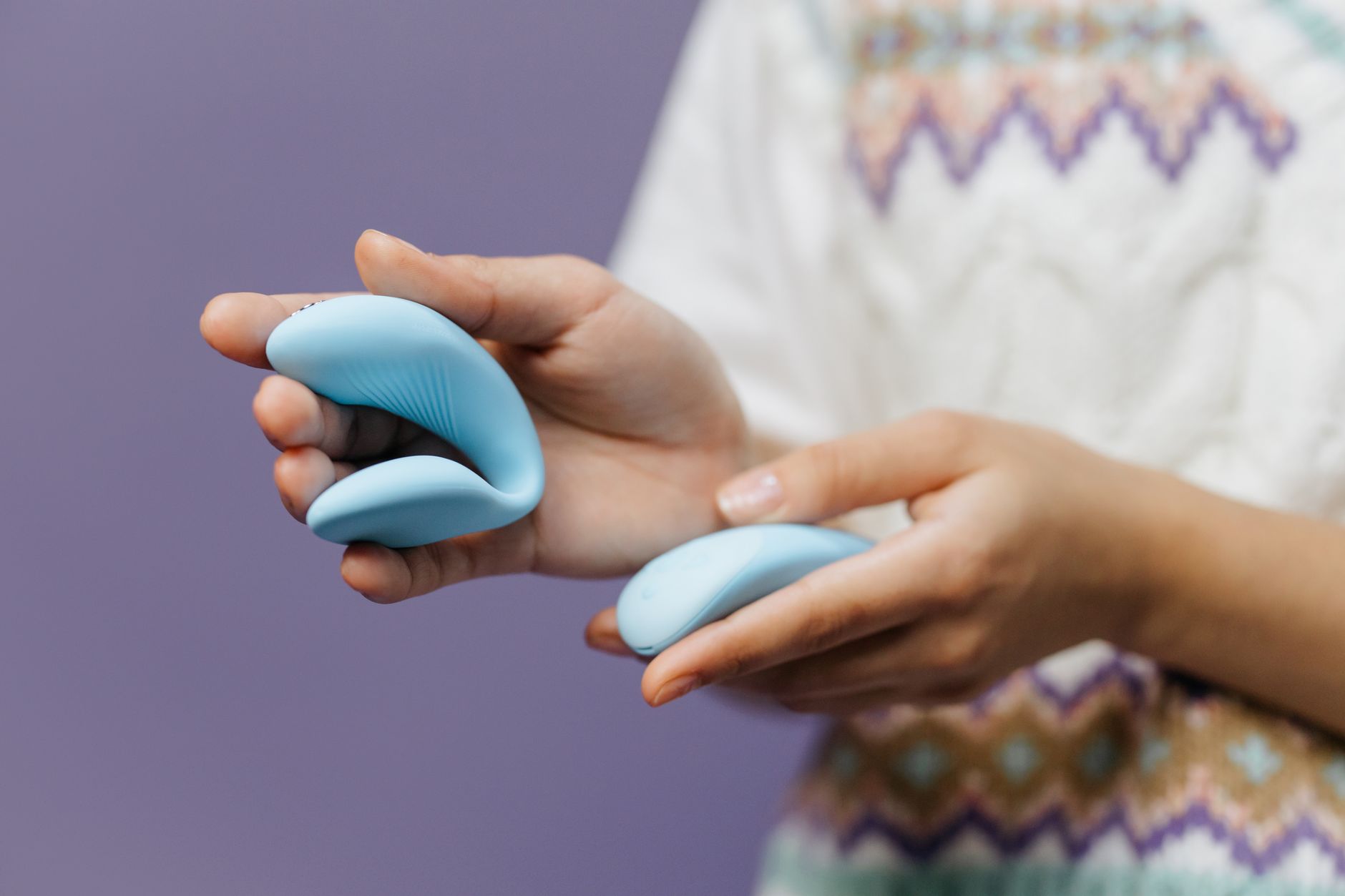
A lemon clitoral vibrator works differently than finger touch alone because suction-based stimulation (like the Lem) doesn't require you to build to it gradually. It engages the clitoris immediately and thoroughly without the awkwardness of ramping up. You get to skip the frustration part and move straight into the pleasure part.
Why arousal actually slows down
Three things happen as you get older. First, estrogen levels drop. Lower estrogen means less blood flow to the clitoris and vulva, which means sensation builds more slowly. Your body's genital response time extends. This is backed by the research. It's not a personal failure.
Second, you're probably more distracted. Work stuff, family obligations, partner stress, your own aging concerns. The mental clutter that comes with midlife doesn't evaporate when you're trying to feel pleasure. You're managing a lot more background noise now.
Third, medications matter. Certain antidepressants, blood pressure meds, and hormonal birth control can all flatten arousal. If you started something new in the past year or two and noticed the change coincided with it, mention it to your doctor. You might have options.
Why the Lem actually speeds things up
A lemon vibrator works through suction and pulsation, not just vibration. That distinction matters for slow-building arousal because suction directly engages the clitoral glans and the erectile tissue around it without requiring you to warm up first. Your body doesn't have to gradually build to receptivity.
You turn it on. The sensation registers immediately. You skip three steps and land right in the middle of where you'd usually take fifteen minutes to arrive.
The pulsation patterns on a lemon sexual toy like the Lem give you options too. Start on pattern one. That's genuinely, genuinely different from standard vibration. It's not relentless. It's rhythmic in a way that feels more natural for a body that's learning to wake up again.
The timing strategy that actually works
If arousal takes longer now, stop trying to pretend it doesn't. Plan for it instead. This isn't settling. This is respecting how your body works.
Give yourself twenty to thirty minutes alone before you even touch yourself. Read something that gets you going. Watch something. Think about someone or something that makes you feel wanted. Let your mind do the work while your body catches up. This isn't lazy. It's strategic.
When you're ready to touch, have the lemon adult toy already nearby. Don't search for it halfway through. Have water nearby too. Have whatever makes you feel comfortable and present. Remove the fumbling.
Start on the lower settings. Your body will tell you if it wants more intensity. Listen to it. The lemon sucker patterns work best when you're not fighting against them. Let the rhythm guide you instead of trying to force arousal to happen on the old timeline.
The actual anatomy that's changing
Your clitoris is still exactly as capable of pleasure as it ever was. The neural density hasn't changed. The capacity for orgasm is still there. What's changed is the system that feeds it.
Blood flow is slower. Lubrication takes longer to activate. The pelvic floor muscles have less hormonal support, which can make sensation feel different even when it's just as strong.
A clitoral vibrator accounts for this by providing direct stimulation that doesn't rely on you to build that blood flow gradually yourself. It's like the difference between waiting for the oven to preheat and using a convection oven. Same end result. Different timeline.
When to adjust your expectations about solo play
If you're used to finishing in five minutes, that might not be your reality anymore. And that's okay. Some people find that slower arousal actually leads to deeper pleasure because you're in it longer. Your body has more time to layer sensations.
Other people get frustrated with the extended timeline and lose interest. If that's you, know that a lemon clitoral vibrator can compress things down significantly. You're not waiting for your body to wake up. You're actively waking it up.
The pleasure itself might feel different too. More diffuse. Less sharp. Sometimes more intense in weird ways. That's the aging body too, and it's not worse. It's just different. Some of my clients say their strongest orgasms came after forty.
The partner piece (if there is one)
If you're with someone, the arousal timeline shift affects both of you. Maybe your partner got faster with age, which means they're ready before you are. Maybe they got slower too, and now you're waiting for each other in this weird standoff.
The lemon vibrator solves one side of this. You can use it solo before partnered sex. You warm yourself up and then bring that arousal into the experience together. Or you use it during, and it becomes part of your shared intimacy instead of a workaround for mismatched timelines.
Honestly, a lot of couples find that introducing a clitoral vibrator actually fixes the timing problem entirely because neither person has to wait around. You're both active. You're both doing something that feels good. The pressure dissolves.
Troubleshooting when nothing's working
If even with the lemon vibrator you're not getting where you want to go, check these three things first.
One, are you actually relaxed. Tension kills arousal. Your nervous system has to be in a place where pleasure registers. If you're wound up about work or resentful about something in your relationship, you're not going to feel much no matter what toy you're using.
Two, is there physical pain. If certain touches or patterns make you wince, stop. Vaginal atrophy, vulvitis, or just general tissue sensitivity can make arousal feel impossible. Talk to your doctor about topical estrogen or other options. You're not stuck with this.
Three, have your hormones actually changed. If the slowdown happened suddenly and dramatically, worth checking with your GP. Sometimes it's just aging. Sometimes it's thyroid stuff or other medical things that are genuinely treatable.
The one thing that actually matters
Your pleasure timeline is not shorter because you're getting older. It's different. And different doesn't mean worse. Some of the most satisfied people I work with are the ones who stopped fighting the aging process and started working with it instead. A lemon clitoral vibrator helps because it doesn't judge your timeline. It meets you where you are. And that matters more than you think.
People also ask
How long does it actually take for arousal to build with age?
It varies wildly. Some people notice a shift as early as their forties. Others don't feel it until their sixties or seventies. On average, blood flow to the genitals takes longer to activate, and that can stretch foreplay from five to ten minutes to fifteen to thirty minutes. The timeline isn't universal, but the slowdown is normal. A lemon vibrator helps because it provides stimulation while your body's systems are catching up.
Can a lemon clitoral vibrator actually make arousal happen faster?
Not exactly faster in terms of your body's biology. But it makes the experience feel faster because you're not waiting around for manual stimulation to register. Suction-based toys like the Lem engage sensation immediately. You skip the period of time where you're touching yourself and nothing's happening yet. The pleasure starts sooner even if your body is taking the same amount of time to build.
Is slow arousal a sign that I've lost my libido?
Not necessarily. Libido is desire. Arousal is the physical response. You can want sex badly and still have your body take thirty minutes to show up. They're different systems. If your desire is still there but your arousal is lagging, that's usually just aging or medication or stress, not a sign that sex doesn't matter to you anymore.
Should I use a lemon vibrator for longer if arousal is slow?
Yes and no. You might use it for longer total time. But the patterns on a quality lemon sexual toy like the Lem are designed to work efficiently, so you're not necessarily stimulating yourself for hours. It's more that you'll probably spend more time enjoying it because the plateau phase extends. Your body wants to stay in that pleasure space longer. That's not a bad thing.
What if my partner gets aroused way faster than I do now?
That's incredibly common and it's usually a rhythm problem, not a desire problem. The fix is either building in solo warm-up time for you before you get together, or using a clitoral vibrator during partnered sex so you're both actively engaged the whole time. Some couples find that a lemon vibrator actually makes their sex life better because nobody's sitting around waiting for the other person to catch up.
Is there anything that can actually speed up arousal besides a vibrator?
Couple things. Make sure you're not on a medication that's flattening your response. Check in with your doctor if the change was sudden. Manage stress better if you can, because cortisol genuinely suppresses arousal. Get enough sleep. Have more foreplay. Use lube even if you don't think you need it because sometimes your body is aroused but lubrication is still slow. And honestly, sometimes the best thing is just accepting the new timeline and enjoying the slower pace.
References & sources
Granieri, E. (2026). "Arousal timeline shifts in midlife sexuality." Marriage and Family Coaching Practice Review.
Basson, R. (2000). "The female sexual response: A different model." Journal of Sex & Marital Therapy, 26(1), 51-65.
Walsh, K. E., & Berman, J. R. (2004). "Sexual dysfunction in the older woman: An overview of the current understanding and management." Drugs & Aging, 21(10), 655-675.
Lindau, S. T., et al. (2007). "A study of sexuality and health among older adults in the United States." New England Journal of Medicine, 357(8), 762-774.
Ginzburg, D., & Grossman, J. (2023). "Clitoral physiology and the aging response to genital stimulation." Sexual Medicine Reviews, 11(2), 234-248.