Here's what nobody tells you about desire mismatches
Let's be real. When your partner stops initiating sex, stops wanting sex, or actively avoids physical intimacy, the first thing that happens isn't just frustration about missing orgasms. It's a slow erosion of feeling wanted. Your body starts to internalize the message that your pleasure doesn't matter, or worse, that something is wrong with you.
It's not.
What's actually happening is that intimacy avoidance is usually a symptom of something else entirely. Stress, depression, resentment, low testosterone, medication side effects, work overwhelm. Often it's not about you at all. But knowing that intellectually doesn't stop you from feeling rejected on a Tuesday night.
The gap between knowing and feeling
Here's the data twist: couples where one partner has significantly lower desire actually have better long-term satisfaction when the higher-desire partner has an independent pleasure practice. Not despite the mismatch. Because of it.
Why? Because when you rely exclusively on your partner for sexual pleasure, that need becomes a pressure cooker. It intensifies the dynamic. Your partner feels the weight of your unmet desire. They pull back further because the stakes feel impossibly high. You feel more rejected. The cycle tightens.
But the moment you reclaim solo pleasure as non-negotiable and separate from partnered sex, something shifts. You're no longer reaching for your partner to fill an emotional void. You're reaching for them from a place of wholeness. That changes everything.
Why a lemon clitoral vibrator works specifically for this situation
Three reasons, actually.
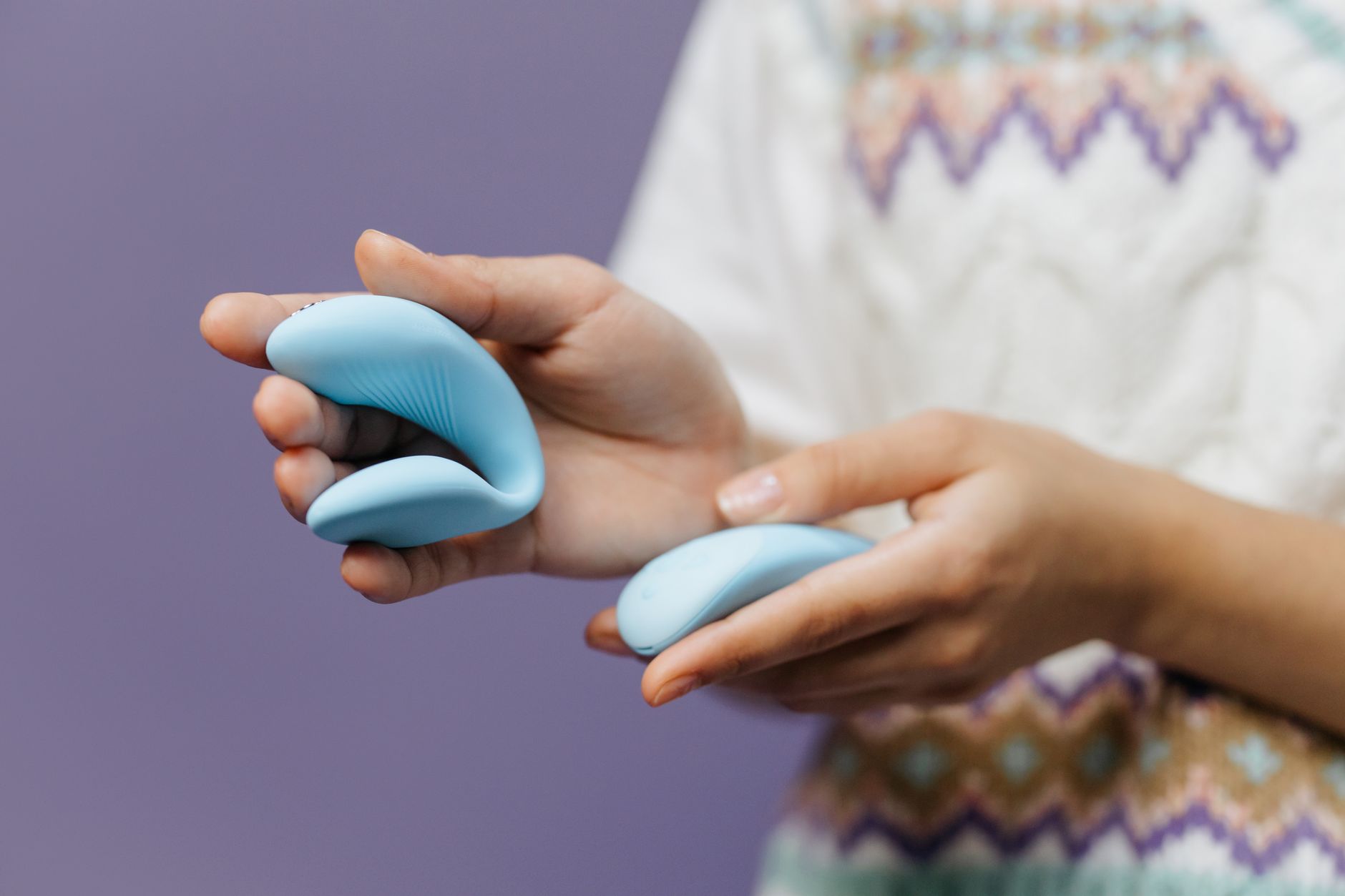
First, lemon vibrators like the Lem use air-suction technology, which means you get intense sensation without needing your body to cooperate. When you're stressed or hurt about intimacy avoidance, your nervous system is activated. It's hard to relax into arousal when you're carrying resentment. Air-suction gives you sensation that builds pleasure without requiring you to achieve a particular state of mental calm. You don't have to earn it.
Second, the Lem is discreet and quick. When your partner isn't interested in extended foreplay or partnered sex, you need a tool that delivers the release you're craving without a forty-minute setup. A lemon sexual toy that works in 10-15 minutes means you can prioritize your body's needs without demanding your partner's attention or presence.
Third, and this matters most: using a clitoral vibrator when your partner avoids intimacy is a statement to yourself. You're saying my pleasure is not dependent on their willingness. My body deserves attention. That's not selfish. That's survival.
Setting boundaries around solo pleasure
Here's where most people get stuck. They either feel guilty about using a lemon vibrator while their partner isn't interested in sex, or they sneak it around like contraband. Both patterns are problems.
Start by being honest with yourself first: using a lem vibrator is not betrayal. It's self-care. Your partner's avoidance of intimacy is already a boundary they've set around shared sex. Your solo practice is a boundary you're setting around your own body.
If you decide to tell your partner, keep it simple and non-accusatory. "I need to prioritize my sexual wellness regardless of where things stand between us right now" is different from "Since you won't have sex with me, I'm taking care of it myself." One is self-protective. The other is punitive.
If you decide not to tell them, that's also valid. You don't need permission to pleasure yourself. But notice if keeping it secret is coming from shame. That's worth examining separately, maybe in therapy.
Building a practical solo ritual
When your partner avoids intimacy, it's easy to let your own pleasure become frantic and desperate. You're trying to fill a gap that sex was supposed to fill. That approach backfires.
Instead, treat your lemon clitoral vibrator practice like a scheduled appointment with yourself. Not when you're frustrated or angry. Not as a response to rejection. Intentionally, on your terms, when you have privacy and time to focus.
Start at a low intensity setting. If you're carrying tension from intimacy avoidance, your pelvic floor is probably clenched. Spend the first few minutes with the Lem on pattern 1 or 2, just noticing sensation without pushing toward orgasm. This retrains your nervous system to relax into pleasure instead of chasing it.
Then gradually increase intensity or try different patterns. The point is that you're relearning what your body can do independent of your partner's desire. This isn't just about physical release. It's about reclaiming agency.
The conversation you might need to have
At some point, avoiding the underlying issue becomes its own problem. Solo pleasure is essential when your partner isn't meeting your needs. But it's not a solution to intimacy avoidance. It's a survival strategy while you figure out what's actually broken.
If your partner is avoiding intimacy consistently, you need to know why. Is it medical? Emotional? Related to the relationship itself? Sometimes a direct conversation works. "I've noticed you're pulling back from sex. I'm worried about us. What's going on?"
Other times, that conversation only happens with a couples therapist. And sometimes your partner isn't willing to have it at all. That's information too, and it might be the most important information you get.
If you're using a lemon vibrator to manage your sexual needs while your partner avoids intimacy indefinitely, that's a relationship problem, not a pleasure problem. The vibrator solves one thing. It doesn't solve the avoidance.
When solo pleasure becomes enough
Here's what I see happen with couples where one partner uses a lemon adult toy consistently while the other avoids sex. Over time, the higher-desire partner's anxiety actually decreases. Not because the avoidance was resolved. But because they stopped making their own pleasure contingent on their partner's willingness.
That paradoxically makes the avoidant partner less defensive. The pressure is off. Sometimes, in that space, intimacy returns naturally. Sometimes it doesn't. But at least both partners are making choices from a clearer place.
Your solo practice with a lem vibrator is not a substitute for real intimacy. But it's also not frivolous self-care you can skip if things get hard. It's foundational to your wellbeing when your partner has checked out of shared pleasure.
You deserve to have a body that experiences release, joy, and sensation. Whether or not your partner wants to participate.
FAQ: Intimacy avoidance and solo pleasure
Should I tell my partner I'm using a lemon vibrator?
That depends on what feels authentic to you and what you know about your relationship. If you share a home and privacy is limited, practical disclosure might be necessary. If you're keeping it secret because you're ashamed, that's worth exploring. If you're keeping it private because it's yours, that's different. There's no universal right answer.
Does using a lemon clitoral vibrator make intimacy avoidance worse?
Not directly. But it can complicate things if your partner interprets it as you no longer caring about partnered sex. That's a conversation worth having explicitly. Using a vibrator doesn't mean you've given up on your relationship. It means you're not suspending your own pleasure while waiting for them to change.
What if I feel guilty about my own pleasure when my partner isn't interested?
That guilt often isn't about the vibrator itself. It's about internalizing the message that your need for sex means something is wrong with you. It's not. Your sexual desire is normal and healthy, even when your partner's is lower. A lem vibrator isn't evidence of something broken in you. It's evidence that you deserve pleasure regardless of your partner's current capacity to provide it.
How do I know if intimacy avoidance is a relationship problem or a personal issue for my partner?
You probably can't know that alone. This is what therapists are for. If your partner is willing to explore it with a professional, that's hopeful. If they refuse to acknowledge it's an issue, that's also information. You can't fix something your partner won't acknowledge.
Can solo pleasure with a lemon sexual toy rebuild desire in a relationship?
Not directly. But it can shift the dynamic. When you're not desperate for your partner to touch you, you're often more attractive and present. And you're not resentful. That creates better conditions for intimacy to potentially return. But you can't expect solo pleasure to be a fix for relational avoidance. That requires both people.
Is it normal to use a lemon vibrator more often when your partner avoids sex?
Completely normal. You're meeting an actual need. The question isn't whether the frequency is normal. It's whether the avoidance in your relationship is something you're willing to live with long-term. That's the real conversation.
Final thought
When your partner avoids intimacy, your lemon clitoral vibrator becomes more than a pleasure tool. It becomes proof that your body's needs matter independent of their willingness. That's not a substitute for real intimacy. But it is non-negotiable self-respect. And sometimes that's what gets you through until things change. Or until you make a different choice about the relationship itself.
If you're carrying deep frustration about this dynamic, talking to a relationship therapist might help you understand what's actually happening underneath the avoidance. Nancy's Lem Shop isn't a substitute for real support. But we're here if you need to talk about your options. Get in touch at /contact.