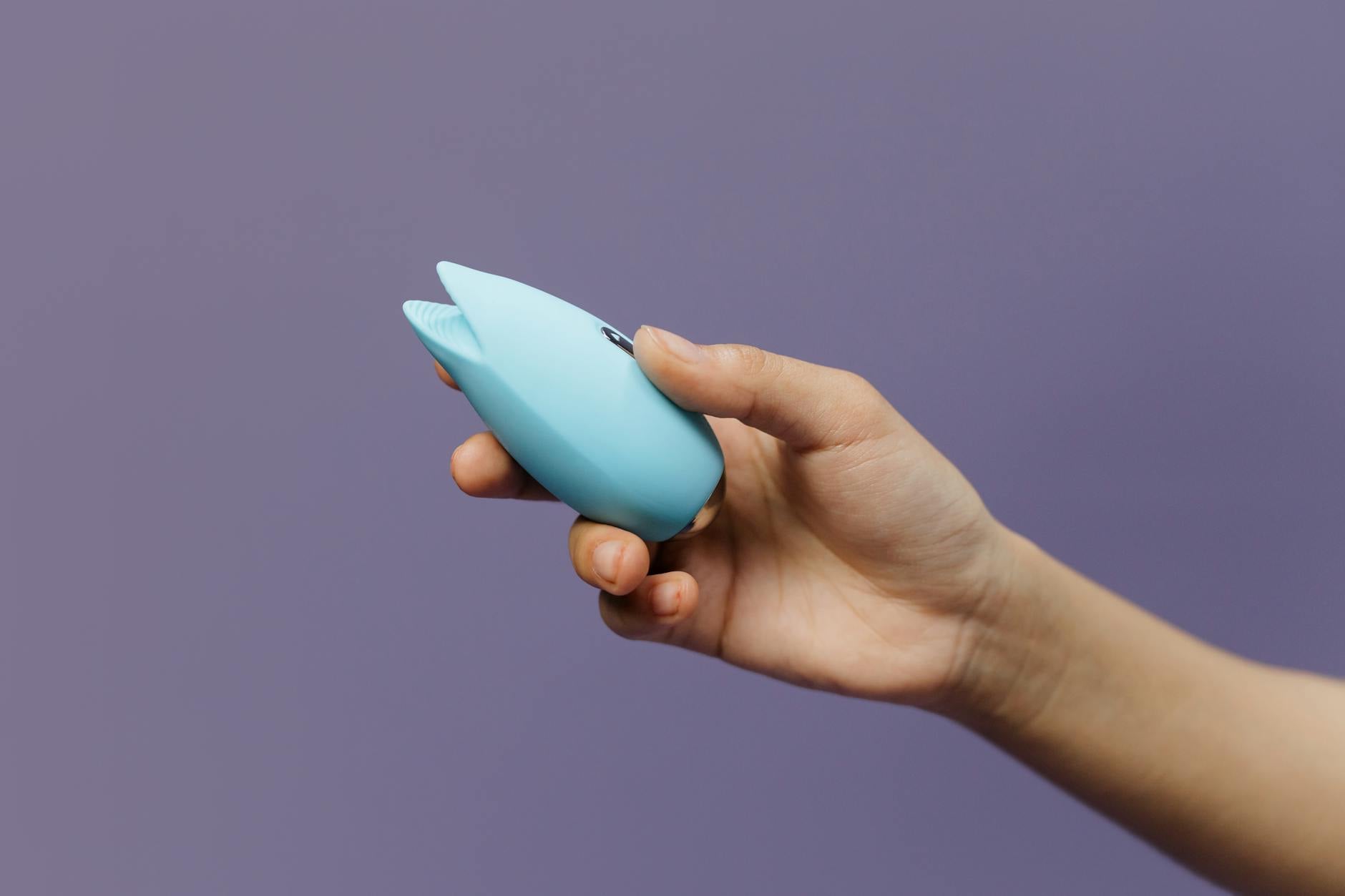
Here's the thing about desire mismatches
One partner wants sex three times a week. The other wants it once, or wants to initiate it once. This is one of the most common friction points I see in my practice, and it's also one of the most fixable. The mistake most couples make is treating it like a math problem. "How do we meet in the middle?" they ask. But desire doesn't split the difference. It lives in two different bodies, on two different timelines.
When you're the higher-desire partner and your partner initiates less often than you do, something specific happens: you start to feel like you're chasing. The rejection (whether it's explicit or just the quiet absence of initiation) starts to accumulate. Pretty soon, you're not just wanting sex. You're wanting reassurance that you're wanted.
A lemon vibrator doesn't fix the mismatch itself. But it stops the resentment from building while you two figure out what's actually going on.
Why this matters more than you think
I've worked with hundreds of couples where one partner had checked out from initiation, and almost always, the higher-desire partner was so focused on chasing that they'd stopped having pleasure entirely. They'd stopped touching themselves. Stopped masturbating. Stopped anything that felt like "settling" for solo pleasure instead of partnered sex. That's a trap.
When you make your pleasure contingent on your partner's initiation, you're tying your body to their schedule. You're also making sex a transaction instead of a practice. "If I take care of myself now, will I be too satisfied to want them later?" I hear that thought pattern constantly, and it's worth interrogating.
It's not true. Pleasure builds connection to your own body. That connection is what makes partnered sex more available to you, not less.
The real conversation you need to have first
Before you pull out a clitoral vibrator, the two of you need to know why the mismatch exists. This is not a fun conversation, but it's essential. Is your partner lower-desire in general? Are they stressed, on medications that flatten libido, dealing with depression or burnout? Are they attracted to you but not in the mood for the kind of sex you want? Or is something happening in the relationship.
These are different problems with different solutions. A lower-libido partner might respond well to foreplay or a different kind of touch. A stressed partner might need the mental load lifted before they have bandwidth for sex. A partner who's tired of a particular dynamic might need you both to renegotiate what sex looks like.
Don't use a lemon vibrator to avoid this conversation. Use it alongside it.
How to frame solo pleasure in a way that builds, not divides
Most higher-desire partners fear that if they pleasure themselves, their partner will feel replaced or will relax even further into not initiating. That fear is understandable. It's also usually backwards.
When you stop performing desire and start actually experiencing it, your partner often gets curious again. You become less tense. Less resentful. Less focused on whether they want you. And paradoxically, that's often when they do want you again.
Here's how to frame it: "I love you, and I also need to take care of my own body. That doesn't mean I don't want us. It means I'm not waiting for permission to feel good." That boundary is sexy. It's also true.
The practical framework for using a clitoral vibrator solo in your relationship
If you're the higher-desire partner, here's what I suggest:
Set a rhythm that's separate from partnered sex. Maybe you use your lemon vibrator twice a week at a specific time. Sunday morning. Wednesday night. Make it a ritual that's yours, not a consolation prize when your partner doesn't initiate. This removes the feeling of "I'm doing this because they won't." You're doing it because your body deserves it.
Be honest about it without performing it. You don't need to narrate it to your partner or make it a seduction attempt. "I'm going to take some time for myself tonight" is sufficient. Some couples find it helps to give a heads-up. Others prefer not to mention it. Figure out what feels genuine to you.
Don't use it as a substitution for connection. If your partner initiates and you're satisfied from solo play, that's fine. But don't let solo pleasure become a reason to deprioritize partnered sex when it does happen. They're different experiences. The goal is to have both available to you.
Notice what changes in your body and mood. When you're regularly having pleasure (solo or partnered), you're less reactive. You laugh more easily. You're more present with your partner in non-sexual contexts. That presence is often what rekindled desire in a lower-desire partner. Track it.
What happens if you're also touching your partner while you're using a lemon vibrator
Some couples find that using a vibrator during partnered sex (or while your partner is present) shifts the dynamic entirely. You're not chasing them for initiation. You're inviting them into your pleasure. That's a completely different energy.
If your partner is willing, having them present while you use a clitoral vibrator can bridge the desire gap without requiring them to perform desire they don't have in that moment. They might touch you. They might just watch. They might hold you. None of it requires them to initiate or to want what you want. But it creates intimacy around your pleasure instead of tension around theirs.
If your partner isn't interested in that, that's information too. It might signal that the mismatch is about more than just frequency. That's worth exploring separately, maybe with a couples counselor.
The truth about desire mismatches and solo pleasure
When you start prioritizing your own pleasure, a few things usually happen. You stop resenting your partner for not initiating as often as you'd like. You reconnect with your own body as a source of good feeling, not just as something you're offering someone else. And sometimes, your partner gets curious about what changed in you. That curiosity sometimes leads back to sex.
But here's what I want to be clear about: even if the frequency never changes, your quality of life improves dramatically. You're no longer waiting for permission to feel good. You're also no longer making your partner responsible for your pleasure, which is a lot of pressure to put on someone who might just have a lower libido or a different rhythm.
A lem vibrator isn't a fix for desire mismatch. But it's a tool for reclaiming your body while the two of you figure out what comes next. And that reclamation matters more than you might think.
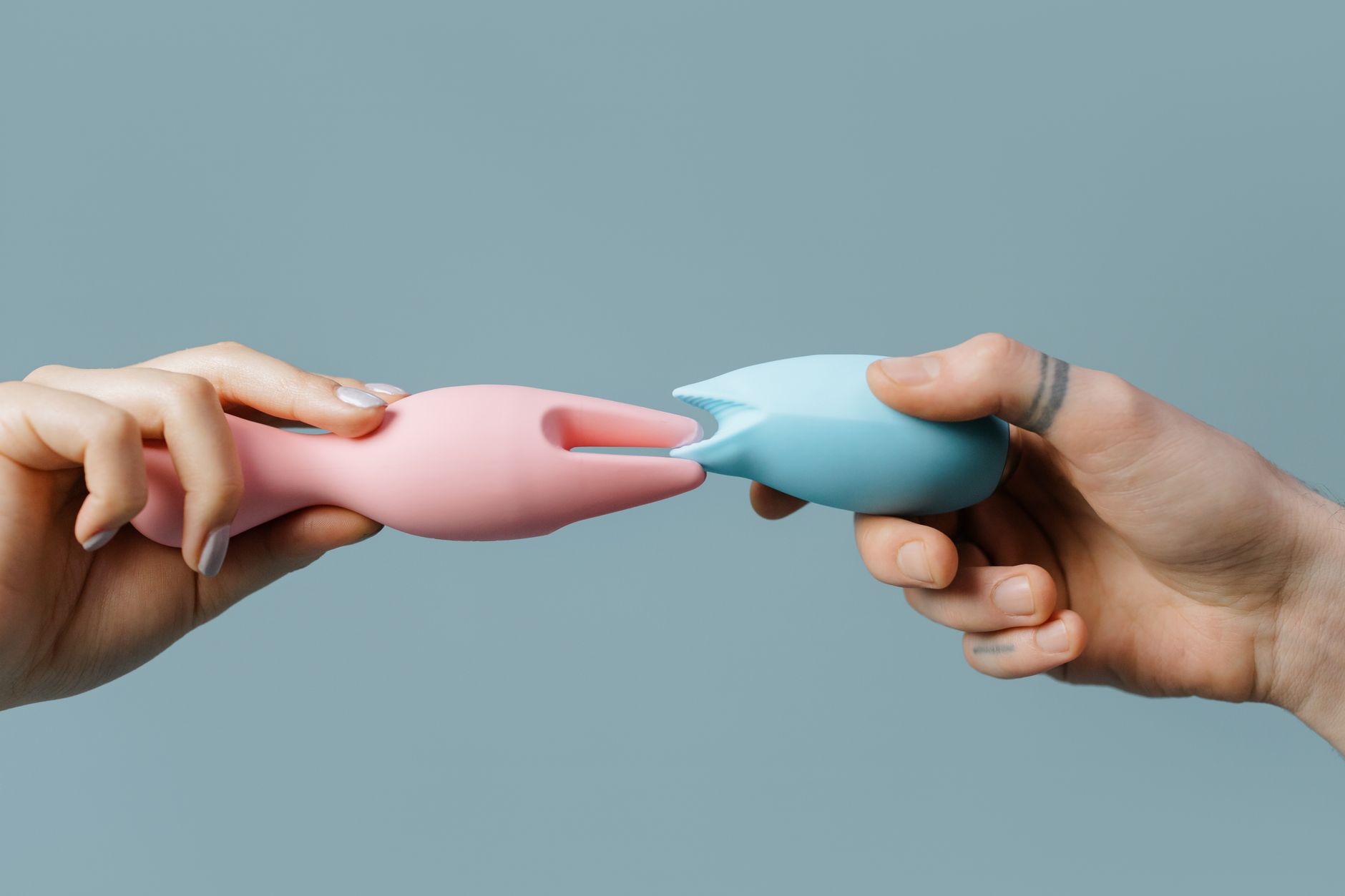
Photo by cottonbro studio on Pexels
When to expand the conversation beyond vibrators
If you've been using a lemon clitoral vibrator for a few weeks and your partner still hasn't initiated, that's a signal to dig deeper. Are they stressed about work? Dealing with health stuff? Feeling disconnected emotionally? Has the relationship shifted in ways that matter?
Sometimes lower desire is temporary. Sometimes it's structural. A sex toy helps you feel better in the meantime, but it doesn't address the root. That's where conversation (or therapy) comes in.
If you're finding that you're regularly having solo pleasure but rarely connecting with your partner, that's also worth naming. The goal isn't to have a perfect balance. It's to have both forms of pleasure available to you and to know whether the mismatch feels manageable or like a sign of something bigger.
FAQ: Lemon vibrators and desire mismatches
Is it okay to use a vibrator when your partner doesn't initiate sex?
Absolutely. Your pleasure doesn't depend on your partner's initiation. In fact, reclaiming solo pleasure often reduces the resentment that builds when desire mismatches happen. Using a lemon vibrator or any clitoral vibrator keeps you connected to your own body and reminds you that good feeling is your birthright, not something you need permission for.
Will using a vibrator make your partner less interested in sex with you?
No. The opposite usually happens. When you're regularly experiencing pleasure (solo or partnered), you're less tense and resentful. That relaxation is often more attractive to a partner than the anxiety and frustration that builds when you're waiting for them to initiate. You also remove the performance pressure they might feel, which can actually help lower-desire partners become more available.
What if your partner feels threatened by a vibrator?
That's a conversation worth having directly. Often, the threat is about something else. Maybe they feel like they're failing you. Maybe they're insecure. Maybe they don't understand that a vibrator isn't a replacement for them, but a tool for your own pleasure. Getting curious about what's underneath the threat is more useful than either of you defending your position. Some couples benefit from a sex therapist for this conversation.
How often should you use a lemon vibrator if your partner initiates infrequently?
As often as feels good to you. There's no magic number. Some people use a clitoral vibrator twice a week. Others use it several times a week. The goal is to have your pleasure disconnected from your partner's initiation so you're not resentful or waiting. Pick a rhythm that feels sustainable and genuinely pleasurable, not performative.
Can a vibrator be part of partnered sex if your partner doesn't initiate often?
Yes. In fact, this can be a great bridge. If your partner is willing to be present while you use a lem vibrator, or if you want to use it during sex they do initiate, that changes the dynamic entirely. You're not asking them to want you. You're inviting them into your pleasure. That's different energy, and many couples find it reconnects them without requiring either person to perform desire they don't have.
What if the desire mismatch is really about emotional disconnection?
Then a vibrator helps, but it's not the solution. If your partner has pulled back from initiating because there's emotional distance, that needs to be addressed directly. A lemon vibrator keeps you from falling into resentment while you work on the connection. But it's not a substitute for the conversations and reconnection that might be necessary. Consider talking to a couples therapist if the emotional disconnection feels serious.
Is it selfish to prioritize your own pleasure when your partner doesn't want sex as often?
No. It's actually the opposite. When you make your pleasure contingent on your partner's desire, you're making them responsible for your wellbeing. That's a lot of pressure. Prioritizing your own pleasure is a boundary that says, "I love you, and I also take care of myself." That boundary usually improves relationships, not damages them.
How do you talk to your partner about using a vibrator when there's a desire mismatch?
Be straightforward: "I'm going to start using a vibrator because I want to feel good and I don't want that to depend on you initiating." You don't need their permission. You also don't need to hide it. Honesty about your own pleasure is part of building trust in a relationship. If your partner wants to understand more, you can explain that it helps you feel less resentful and more present. That's usually the end of the conversation.
Moving forward
Desire mismatches are one of the most treatable relationship problems, but they require honesty from both people about what's actually going on. A lemon vibrator helps you take care of yourself while you figure that out. It stops you from waiting for permission to feel good. And often, that permission you stop waiting for is when your partner's desire comes back.
If you're ready to explore what works for your body, Nancy's Lem Shop has tools designed for exactly this: pleasure on your own terms. Start with a solo practice, notice what changes in your mood and presence, and then decide what comes next in your relationship.