Let's start with what's actually happening
That numb feeling your clitoris has right now isn't a sign it's shutting down. It's a sign your estrogen is shifting. During perimenopause (the window before your final period), estrogen doesn't drop smoothly. It swings. One week you feel everything intensely. The next, it's like someone turned down the volume. That's not psychological. That's biochemistry.
The clitoris has 8,000 nerve endings, but the tissue around them gets thinner and less engorged as estrogen fluctuates. Less blood flow to the area, less plumping of the tissue, less pressure against those nerves during stimulation. Your equipment is the same. The signal is just quieter.
Why lemon vibrators feel different than traditional vibrators right now
Here's the crucial distinction most people miss. A standard vibrator sends rapid tremors through tissue that's already sensitive or, in your case, less responsive. It's like turning up the volume on a radio with weak reception. Traditional vibration relies on the tissue being thick and elastic enough to transmit sensation clearly.
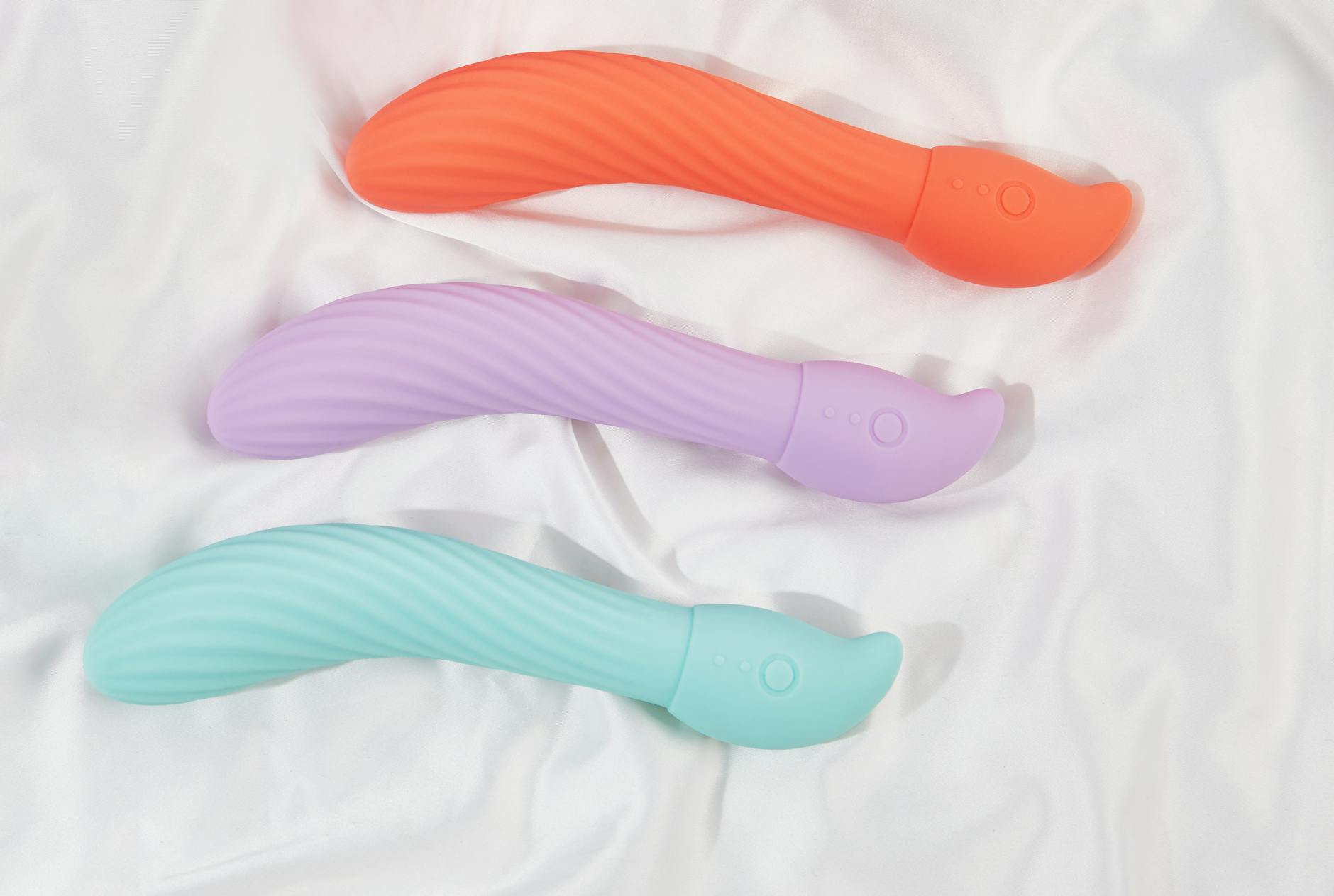
A lemon vibrator works through suction and gentle pulsing. Instead of vibrating through the tissue, it creates a gentle seal and releases rhythmically, drawing blood into the area. Think of it less like shaking and more like a soft pumping action. That matters enormously right now because.
First, suction doesn't demand the same tissue thickness traditional vibration does. It works with what you have, not against it. Second, the suction itself encourages blood flow to the area, which means the tissue slowly becomes more responsive during and after use. Third, because suction stimulates the nerves differently (through pressure and release rather than vibration), it often feels accessible when traditional vibrators feel either too intense or too muted.
The perimenopause timing factor
If you're in that erratic window before your last period, sensitivity will fluctuate. Some days your clitoris will feel almost normal. Other days, numbness returns. That's not the lemon vibrator failing you. That's estrogen being estrogen.
What matters is consistency. Using a lemon clitoral vibrator regularly (3-4 times a week minimum) during this phase trains your nervous system to respond even when hormone levels are low. The stimulation itself creates neural pathways that don't depend on estrogen alone. By the time you reach post-menopause, those pathways are already established. Your sensation has momentum.
Starting gently when sensation is muted
Most people make one mistake when clitoral sensitivity drops. They turn up the intensity, assuming they need more stimulation to feel anything. Instead, start at the lowest setting on your lemon vibrator. I mean the absolute lowest. Spend 15-20 minutes on pattern 1 or 2.
This serves two purposes. One, it gives your nervous system time to wake up. Sensation doesn't flood back immediately when you power on. It builds gradually as blood flow increases and the nerves begin responding. Two, low intensity prevents the overstimulation that creates that frustrating numb-out feeling where you feel something for 30 seconds, then nothing.
If after 15 minutes you're not feeling anything, move to pattern 3. Stay there. Don't jump to settings 5 and 6 hoping for rescue. That's the sensory equivalent of shouting instead of listening.
Building the warm-up window
During perimenopause, arousal takes longer to build. Budget at least 20-30 minutes before you even touch your clitoris with the vibrator. Use that time for whatever turns you on. Reading, fantasy, a partner's touch, watching something that interests you. Let your mind do the heavy lifting first.
Here's why this matters more now than it did in your 20s. Blood flow to your pelvic area isn't automatic anymore. Your brain has to actively signal the body to pump blood into the clitoris, the vulva, the vaginal tissue. Mental arousal is what sends that signal. Without it, you're asking the lemon vibrator to work on tissue that hasn't been primed.
Warm-up isn't foreplay. It's setup. Treat it as seriously as you would stretching before exercise.
The role of lubrication during this shift
Even though a lemon vibrator doesn't require the kind of friction that causes dryness, the vulval tissue itself is often drier during perimenopause. That dryness isn't just an inconvenience. It changes how sensation registers.
Use a water-based lubricant around the entire vulva and clitoris, not just inside the vagina. The lube helps the suction head of your lemon clitoral vibrator create a proper seal, which means the pulsing works more effectively. It also protects delicate tissue that's already dealing with hormonal thinning.
Reapply every 10-15 minutes. Dryness creeps back in, and that breaks the seal the suction needs. Yes, it's tedious. Yes, it's worth it.
When sensation comes back (and it does)
Most people notice increased clitoral sensitivity within 2-3 weeks of consistent use. Not overnight. Not explosively. Gradually. First you feel it more easily. Then you feel it more intensely. Then you realize you can reach orgasm again without having to focus for an hour.
When that happens, don't immediately jump to higher intensity settings. Let your sensitivity catch up to the equipment. Move to pattern 4. Stay there for a week. Then pattern 5. This pacing prevents you from overshooting and creating desensitization again.
When to check in with a doctor
If numbness has been severe for more than 6 months and gentle, consistent use of a lemon vibrator isn't bringing sensation back, see a gynecologist trained in perimenopause or menopause medicine. Sometimes clitoral numbness is straightforward hormonal thinning. Sometimes it's part of a broader neurological shift that benefits from topical hormone therapy or other interventions.
You might benefit from a prescription estrogen cream applied directly to the vulva and clitoris. Systemic absorption is minimal, but the local effect on tissue thickness is significant. Combined with consistent use of your lemon adult toy, this can dramatically accelerate sensation recovery.
The point is this. Numbness during perimenopause is a sign something is changing, not a sign something is broken.
FAQ
Can a lemon vibrator actually restore clitoral sensitivity during perimenopause?
Yes, but not instantly. A lemon clitoral vibrator works by encouraging blood flow and stimulating the clitoral nerves in a way that doesn't demand the tissue thickness that traditional vibrators rely on. With consistent use (3-4 times weekly) over 2-4 weeks, most people report noticeable improvement in sensitivity. The suction mechanism is particularly effective during this window because it works with the tissue you have, not against it. Full sensation recovery usually takes 6-8 weeks.
How often should I use a lemon sucker if my clitoris feels numb?
Start with 3-4 times per week, keeping sessions to 20-30 minutes. Consistency matters more than duration. Your nervous system needs regular stimulation to rewire responsiveness during hormonal shifts. If sensation starts returning, you can increase to daily use, but don't jump straight there. Your tissues need time to adapt. If you feel any irritation or increased numbness, back off to twice weekly and let your body catch up.
Should I use numbing cream with my lemon vibrator if sensation is really low?
No. Numbing cream will only make things worse by blocking the nerve signals you're trying to wake up. Tempting as it sounds, it's counterproductive. Instead, focus on warming up mentally and physically, using low intensity settings, and giving yourself permission for sessions that feel like nothing much is happening. That nothing is actually rewiring happening at the neurological level.
Does perimenopause clitoral numbness ever go away permanently?
It varies. Some people experience it as a temporary window that resolves as hormones stabilize post-menopause. Others find that once sensation returns with consistent stimulation, it stays consistent. What matters is understanding it's not permanent in the moment you're experiencing it. Your body is shifting, not shutting down. Regular use of a lemon vibrator during this phase actually trains your nervous system for post-menopausal pleasure. You're not just recovering sensation now; you're building it for later.
Is a lemon vibrator better than other clitoral vibrators for perimenopause numbness?
For most people, yes. Because suction doesn't rely on vibration traveling through tissue that's already thin, it's more effective when sensitivity is low. Traditional vibrators often feel like nothing or too much with no middle ground during perimenopause. A lemon clitoral vibrator gives you that middle ground. That said, everyone's nervous system is different. What works brilliantly for one person might need adjustment for another. The key is giving whatever tool you choose at least 3-4 weeks of consistent use before deciding it's not working.
Can using a lemon vibrator too often make clitoral numbness worse?
Overuse can create temporary desensitization, but it's different from hormone-driven numbness. If you're using your lemon adult toy for hours daily, yes, you'll feel less. But the solution is simple: take a day or two off. Hormone-driven numbness during perimenopause doesn't work that way. It responds to consistency, not intensity. Stick to 20-30 minute sessions 3-4 times weekly, use low settings, and you won't overstimulate. If anything, most people undershoot with duration and intensity when sensitivity is low.
The bigger picture
Clitoral sensitivity changes during perimenopause because your body is in transition. That's not tragic. It's actually an opportunity. Right now, while you're rebuilding sensation, you're also learning exactly what your body responds to. By the time hormones fully stabilize, you'll have mapped your pleasure more thoroughly than ever.
A lemon clitoral vibrator during this window isn't a workaround. It's a tool that meets your body where it actually is, not where you wish it were. Use it consistently, trust the process, and give yourself grace for sessions that feel like nothing. Your clitoris is listening even when you can't feel it listening.
Ready to explore what works for your body right now. Let's talk.