How to Rebuild Desire When Life Changes Happen
Let's be real. Desire doesn't evaporate because you got fired, moved cities, or buried someone you loved. But it does go quiet. It hides behind the logistics of survival, the weight of grief, the mental load of reinvention. And when you finally notice it's gone, the panic sets in: "Am I broken? Is this permanent? Did I lose myself?"
You didn't. Your brain just got reorganized by circumstance.
Here's what actually happens when major life transitions disrupt arousal. The nervous system prioritizes threat detection and emotional processing over pleasure. Your prefrontal cortex, which drives curiosity and desire, gets outcompeted by the limbic system screaming survival signals. This isn't weakness or dysfunction. It's adaptive. It's also temporary if you know how to help your body remember that pleasure is safe again.
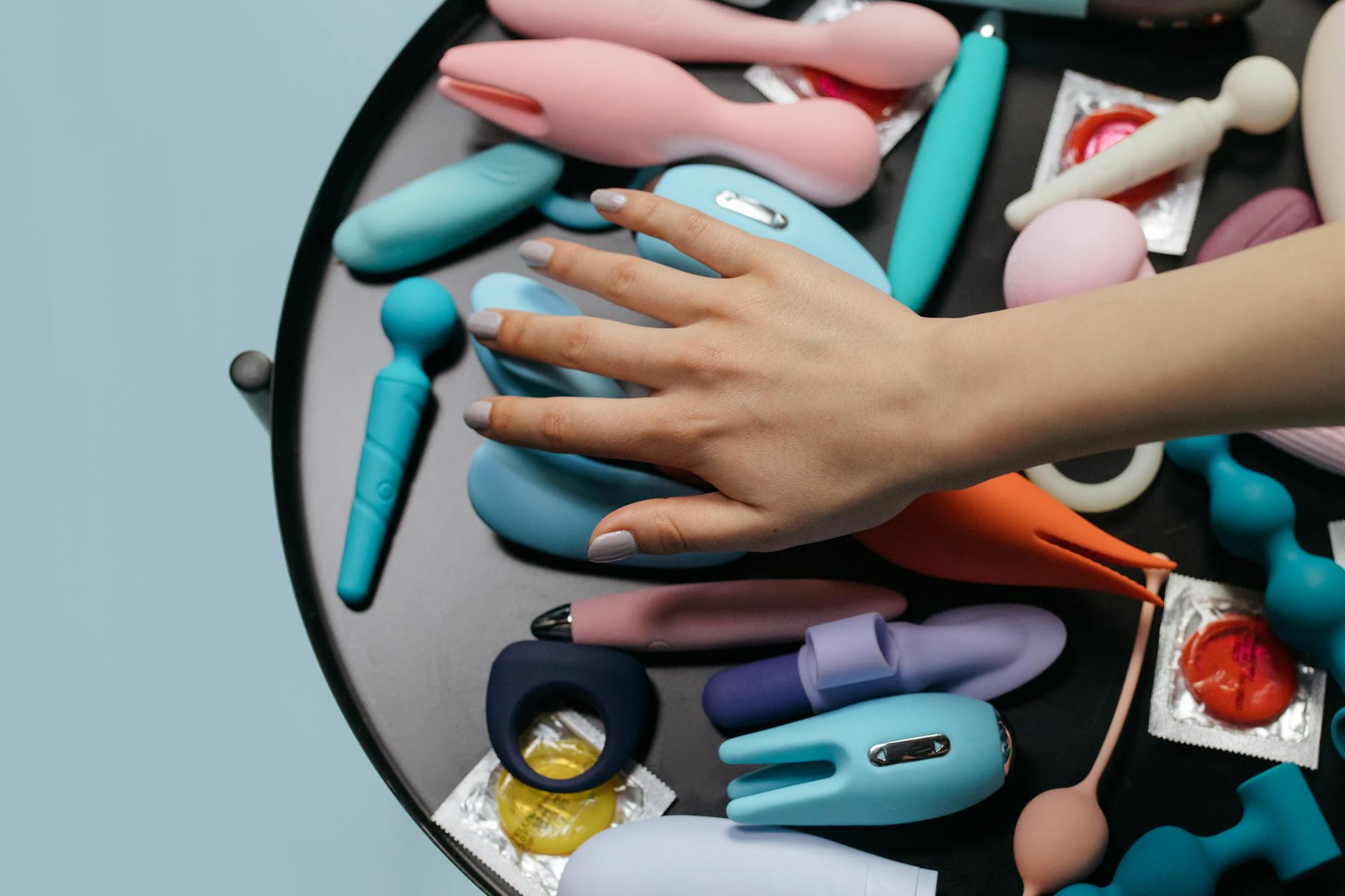
That's where something like a lemon clitoral vibrator comes in, not as a quick fix, but as a tool to help your nervous system downshift. Suction-based stimulation activates the vagus nerve differently than traditional vibration. It's gentler, more focused, and oddly, easier to surrender to when your brain is already exhausted from change.
Why pleasure disappears during upheaval
When you experience a major life transition, your arousal system essentially goes into hibernation. This isn't a character flaw. It's neurobiology.
During stress, cortisol and adrenaline dominate your bloodstream. These are survival chemicals. They shut down non-essential systems, and from an evolutionary standpoint, pleasure production is non-essential when the cave is on fire. Your blood vessels constrict slightly. Your skin becomes less sensitive to touch. Your mind finds it nearly impossible to focus on sensation because it's running seventeen background processes about money, housing, health, identity.
The second piece is emotional. When you're grieving, grieving doesn't feel like sadness alone. It feels like your internal landscape is completely unrecognizable. The version of you that enjoyed pleasure feels like a stranger. Guilt often follows. How can you feel turned on when everything hurts? When people depend on you? When you don't even recognize yourself?
These thoughts are normal. They're also liesl. Pleasure and pain coexist during transition. One doesn't cancel the other.
The physical reality of desire loss during stress
Three hormonal and physiological shifts happen when life changes:
First, testosterone availability drops. Stress hormones compete for the same biochemical pathways. Cortisol spikes, and your body downregulates sex hormone production. You have the receptors. You have the capacity. You're just not producing the fuel. This is reversible, but it takes weeks or months of nervous system settling.
Second, your pelvic floor tenses. Chronic stress causes widespread muscle tension, and the pelvic floor is no exception. A tight pelvic floor makes arousal harder to build and orgasm harder to reach. It's not laziness. It's a physical holding pattern that mirrors emotional bracing.
Third, your blood vessels lose elasticity temporarily. Genital arousal depends on vasocongestion. Stress keeps your vessels slightly constricted. You might notice you don't lubricate as easily, that you feel less swollen during foreplay, that stimulation that used to work barely registers.
All of this reverses. But it reverses faster with intentional practice, and that's where a lemon sucker or lem vibrator matters.
Why suction works better than vibration during recovery
Lemon vibrators use air-suction technology, not traditional vibration. This distinction matters enormously when your system is already overwhelmed.
Traditional vibrators require your nervous system to interpret rapid micro-movements as pleasure signals. When you're stressed, your sensory processing is already overloaded. Your brain is filtering noise. Vibration can feel like one more stimulation your system doesn't have capacity for.
Suction is different. It creates a gentle, rhythmic pulse that mimics the sensation of manual stimulation but with consistent, controllable pressure. Your nervous system reads it as safe. It doesn't demand intense focus. You can think about other things while using it and still feel the effect. For someone rebuilding arousal after upheaval, this is crucial.
Second, suction helps the pelvic floor relax rather than grip. When muscles are triggered into tension patterns, sustained, gentle pressure helps them remember how to release. A lemon clitoral vibrator's pulsing action gives your pelvic floor something rhythmic to synchronize with, making it easier to shift from braced to open.
Third, suction-based stimulation activates the vagus nerve more directly. The vagus nerve is your body's chief relaxation pathway. Activating it signals to your entire nervous system that you're safe. That it's okay to feel sensation. That survival is temporarily secure.
Starting again without pressure
If you're rebuilding desire after a major life change, here's how to actually do it.
Step one: Separate pleasure from performance. Your old sexual rhythm is not your goal right now. You're not trying to get back to "normal." You're learning how your body responds in your new normal. This takes the pressure off. Exploration over execution.
Step two: Start with very low expectations. Use your lemon vibrator with zero goal except to notice sensation. No orgasm target. No arousal metric. Just 10 minutes a week where you're curious about what feels good right now, in this version of your body. This rewires your nervous system's association with pleasure from "performance metric" to "safe exploration."
Step three: Build a small ritual. Transition matters. Your brain can't toggle from spreadsheets and grief processing to pleasure in thirty seconds. Give yourself 5-10 minutes of gentle transition. A bath. Music. A change of clothes. Dimmed lights. This signals to your nervous system that you're moving into a different mode.
Step four: Use patterns 1-2 on your lem vibrator initially. Start at the lowest suction setting. Your goal is gentle awakening, not intensity. As your nervous system settles over weeks, you can gradually increase. Most people rebuilding arousal after transition find that lower settings feel more pleasurable initially because they're less demanding of focus.
Rebuilding desire with a partner
If you're in a relationship, the conversation about desire loss during transition is separate from the desire loss itself. One is emotional and relational. The other is neurobiological.
Many couples make the mistake of treating them as one problem. They're not. You might need to address the relationship dynamic independently from your arousal recovery. That's actually good information. It means you're not confusing two very different issues.
That said, a partner can absolutely be part of arousal rebuilding if the conversation is clear. "I'm using this lemon vibrator to help my nervous system remember that pleasure is safe. This isn't about you. It's about me recalibrating." Some partners want to be involved. Some don't. Both are fine. The key is that your pleasure practice is about you and your nervous system, not about partnered performance.
If you do involve a partner, the gentleness of suction-based stimulation often feels less performative to both people. You're exploring together rather than "getting back on track." This subtle distinction can actually rebuild emotional intimacy faster than trying to force old patterns.
When to seek additional support
If desire loss is accompanied by persistent numbness, anhedonia, or emotional flatness that extends beyond pleasure into daily life, talk to a therapist. Major life transitions sometimes trigger clinical depression, and that's a different conversation requiring professional support.
If desire loss lasts longer than six months despite nervous system work and exploration, a check-in with your doctor rules out underlying hormonal shifts or other physiological factors that need attention.
Most importantly: desire loss after major life change is normal and temporary. You're not broken. Your body is doing exactly what it's supposed to do. Rebuilding takes patience, self-compassion, and small, consistent steps toward pleasure. A lemon sexual toy is just one tool in that process. The real work is trusting yourself again.
People also ask
How long does it take to rebuild sexual desire after a major life change?
It varies, but most people notice meaningful shifts within 4-8 weeks of consistent, low-pressure exploration. Some take longer, especially if the life change involved trauma or grief. The timeline isn't linear either. You might feel a surge of arousal one week and flatness the next. Both are normal. The important thing is consistency over intensity. Using your lemon clitoral vibrator or other tools 1-2 times per week for a few months creates neural pathways that support arousal recovery. Rushing or pushing for faster results often backfires, triggering more stress and further suppression.
Can I use a lemon vibrator while grieving or in crisis?
Yes, and many people find it surprisingly helpful. Grief doesn't erase your right to pleasure. Using a lem vibrator during grief can actually help your nervous system access relief and softness when everything else feels heavy. That said, if you're in acute crisis or suicidal ideation, prioritize mental health support first. Pleasure exploration is secondary to safety. Once you're stabilized, reintroducing gentle sexual touch becomes part of your healing toolkit.
Does using a lemon sucker actually change hormonal levels or just feel good?
Both. Gentle, consistent sexual stimulation activates the parasympathetic nervous system and increases blood flow to the genital area, which can modestly increase circulating oxytocin and improve blood vessel function. Over weeks, regular arousal exploration can also help normalize cortisol patterns slightly. But the bigger effect is neurological. Your brain learns that pleasure is safe. That's not "just" feeling good. That's literally reprogramming your nervous system's threat detection. Which then supports hormonal recovery indirectly.
Should I use a lemon vibrator solo or with a partner while rebuilding desire?
Start solo. Solo exploration removes the pressure of partner validation or performance. You're learning what your body likes now, not what it used to like or what you think you should like. Once you've rebuilt some baseline arousal alone, partnered use often feels much less fraught because you're already confident in your own pleasure. That confidence is attractive and makes intimacy feel mutual rather than transactional.
What if my lemon vibrator doesn't feel good initially?
It might not. Your nervous system needs time to adjust to sensation after being shutdown by stress. Try a few things: lower the suction intensity, use it for only 5 minutes instead of 15, build the ritual around it (music, candles, solitude), or pause for a week and try again. Some people find that breathing work beforehand helps. Others find that journaling the emotions that come up during exploration makes the whole process less confusing. If suction genuinely doesn't feel good after several attempts, that's data. You might prefer gentler vibration-based tools initially. There's no single correct recovery path.
Is it normal to feel nothing with a lemon clitoral vibrator at first?
Completely normal. Numbness or flatness during pleasure exploration after major life change isn't broken sensation. It's emotional protection. Your body is saying "I don't trust that it's safe to feel this right now." Keep using your lemon vibrator anyway, but shift your intention from feeling good to being curious. What do you notice? Temperature? Pressure? Texture? Does it change over ten minutes? Does your breath shift? You're rewiring the association between sensation and safety, which happens slowly. Numbness often lifts within 2-4 weeks of consistent, pressure-free exploration. If it persists beyond that, a conversation with a therapist or doctor is worth having.
Rebuilding is not linear
Your desire will come back. It might not feel exactly the same as before your life changed. That's not loss. That's evolution. The version of you that emerges on the other side of major transition isn't a broken copy of who you were. You're someone new, with different capacities and possibly different desires.
Lemon vibrators and other intentional tools help your nervous system feel safe enough to explore what pleasure looks like now. Not what it looked like before. Not what you think it should be. What it actually is, right now, in your reshaped life.
Start small. Be patient with yourself. And know that every moment you spend reconnecting with your body, even through numbness, is an act of self-trust and reclamation. That matters.