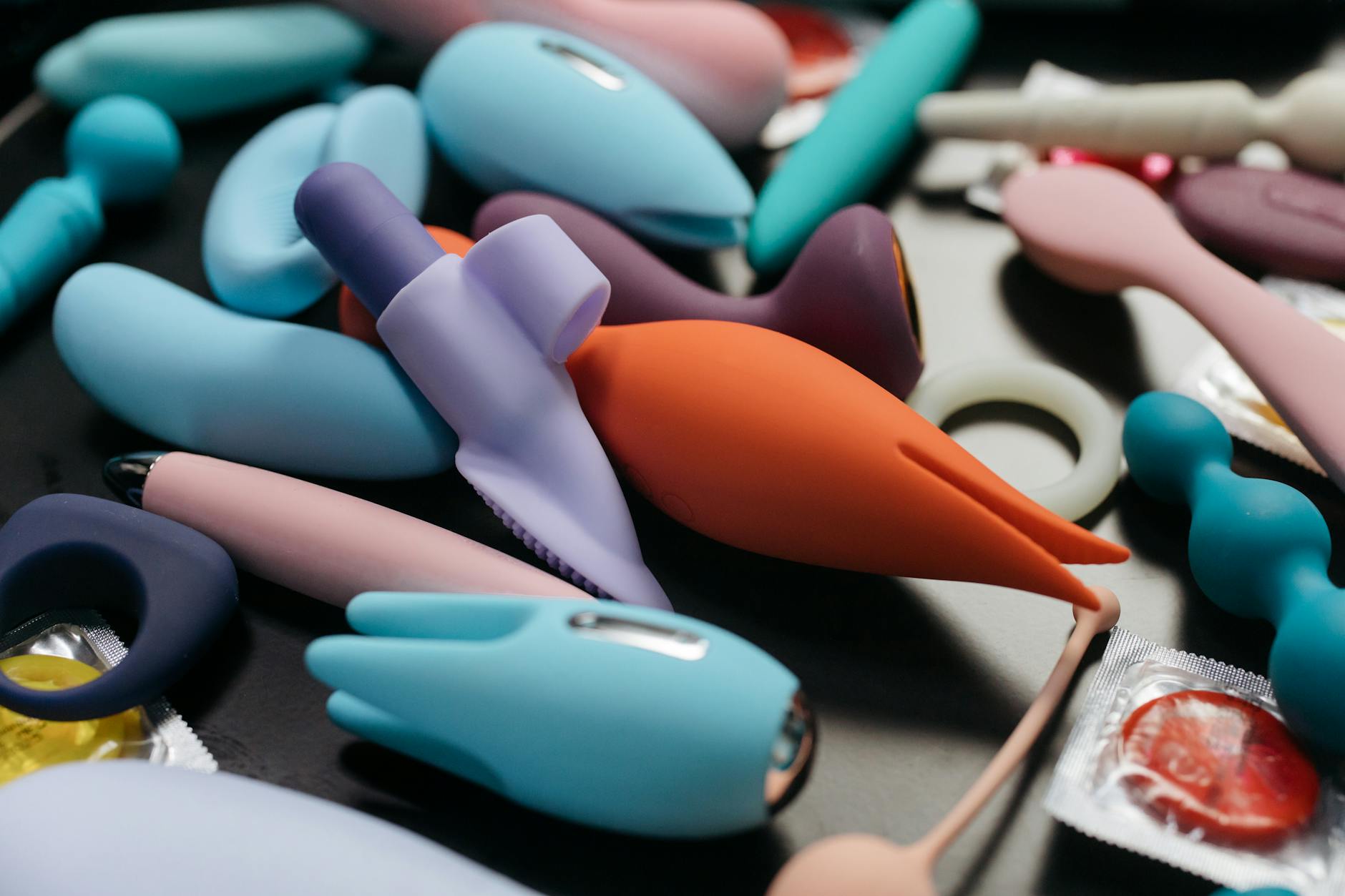
Here's what nobody tells you about medication and your clitoris
Your antidepressant, blood pressure med, or antihistamine works by dampening nerve signals. The problem is that it doesn't discriminate. While it's quieting the stuff that needs quieting, it's also quieting sensation everywhere else, including places you actually want to feel.
For many people taking SSRIs, certain blood pressure medications, or even some allergy tablets, clitoral sensation becomes muted, distant, or completely absent. And the usual fix—turning up the intensity on a traditional vibrator—often doesn't work because you're still just vibrating numb tissue.
This is where a lemon vibrator changes things. Suction works through a completely different mechanism than vibration does, and that difference matters when your nerves have gone quiet.
Why traditional vibrators struggle with medication-induced numbness
A standard vibrator, whether it's a wand or a tiny clitoral toy, sends rapid oscillations into tissue. That works beautifully when your nerves are responsive. But when medication has dampened sensation, you're asking an already-muted nervous system to feel vibration even harder. It's like turning up the volume on a phone call that's already breaking up.
Most people's first instinct is to buy a more powerful vibrator. That approach usually backfires. You end up chasing sensation that requires you to crank the intensity so high that the experience stops being pleasurable and starts being work.
Medication-induced numbness is also different from other types of desensitization. You're not dealing with nerve fatigue from overuse. You're dealing with a systemic dampening of signal transmission. That means you need a different kind of stimulation entirely.
How lemon vibrators work differently than standard vibration
A lemon vibrator uses air-suction technology instead of direct vibration. Rather than buzzing at your tissue, it creates a gentle pulling and releasing rhythm that engages a broader network of nerve endings, including deeper sensory pathways that regular vibration sometimes misses.
Here's the clinical reality: suction stimulates nerves at a different frequency and through a different mechanism than vibration. Traditional vibrators typically operate at 50 to 200 Hz (cycles per second). Lemon clitoral vibrators, by contrast, create rhythmic suction pulses that work through gentle negative pressure. That different sensation pathway can sometimes register even when vibration feels like nothing at all.
It's not magic. It's neurology. When one pathway is dampened, sometimes another pathway still has sensitivity. A lemon vibrator tries a different route to the same destination.
Which medications most commonly cause clitoral numbness
SSRIs (selective serotonin reuptake inhibitors) are the most common culprit. Medications like sertraline, fluoxetine, and paroxetine are phenomenal for anxiety and depression, but about 40 to 60 percent of people on them experience some degree of sexual side effects, including numbness and difficulty reaching orgasm.
SNRIs (serotonin-norepinephrine reuptake inhibitors) like venlafaxine and duloxetine carry similar risks. So do some blood pressure medications in the beta-blocker and ACE inhibitor families, certain antihistamines used for allergies, and even some migraine preventatives.
The numbness isn't a sign that the medication is failing. It's just one of those side effects that doesn't get discussed in the doctor's office the way nausea or headache does. But it's real, it's common, and it's fixable.
Start here: timing and settings with a lemon vibrator
If you're dealing with medication-induced numbness, the usual "start on a low setting" advice still applies, but for different reasons. You're not avoiding overstimulation. You're giving your nervous system room to register any sensation at all.
Begin with pattern 1 or 2 on your lemon vibrator. Many people expect to feel nothing at first. That's normal. What you're looking for in the first week or two isn't intense pleasure. You're looking for recognition—the point where you can feel that something is happening, even if it's subtle.
Don't rush the warm-up. Spend 20 to 25 minutes on foreplay before introducing the lemon vibrator. The longer your body has to become aroused, the more blood flow reaches the clitoris, and the more likely sensation will emerge. Numbness and low arousal are cousins. Address both.
Use water-based lubricant generously. This isn't about makeup. It's about conductivity. Suction works slightly better on skin that has moisture. It also makes the experience more comfortable overall.
Why patience matters more than power
One of the strangest things about medication-induced numbness is that sensation often returns gradually and inconsistently. You might feel something one day and nothing the next. That's not your imagination or the lemon vibrator failing. That's just how nerve sensitivity works when medication is involved.
Building sensation back up is slower than losing it. Your nervous system isn't damaged. It's just quieter. And quiet things take longer to wake up.
I recommend committing to consistent use for at least two to three weeks before you decide whether a lemon vibrator is going to work for you. Not obsessively. Just regularly, with patience. Keep a simple note of what you notice. Did you feel something today that you didn't yesterday? Did a particular pattern seem to register better? That feedback is worth tracking.
When medication dampens sensation, you're not broken. You're just working with different wiring. A lemon vibrator is designed for exactly this kind of recalibration.
Many of my clients report that sensation starts returning in small waves. One week nothing, then suddenly a session clicks and you realize you felt something. Then it quiets again. But over time, those moments of feeling expand and connect. Suction seems to anchor those moments better than vibration does for people navigating this particular side effect.
When to talk to your doctor (and what to ask)
Before you spend weeks experimenting with settings, have a conversation with your prescriber. I'm serious about this. Not because there's anything wrong with using a lemon vibrator, but because medication-induced numbness sometimes signals that your dosage or medication type might need adjusting.
You don't need to be embarrassed. Say exactly this: "I've noticed that since starting this medication, I've lost sensation during sex. Are there alternatives that might have fewer sexual side effects?" Most doctors who see patients regularly hear this question. It's not shocking or awkward to them.
Sometimes the answer is a simple dosage reduction. Sometimes it's switching to a medication in a different class entirely. SSRIs affect people differently. Your doctor might suggest trying escitalopram instead of sertraline, or adding a medication like bupropion that can counteract sexual side effects.
If your medication truly is the right one for you despite the numbness, then a lemon vibrator becomes part of your solution toolkit. But the conversation with your doctor is the first step, not the last.
The role of your partner (if you have one)
If you're in a relationship, your partner needs to understand that medication-induced numbness isn't about attraction or desire. You want sensation. Your body is just quieter right now. That's different.
The most helpful thing a partner can do is slow down alongside you. Don't see the lemon vibrator as a shortcut to the old experience. See it as a way to explore a new one while your nervous system recalibrates. Longer foreplay, more attention to other erogenous zones, and patience all serve you better than trying to recreate what you had before.
For some couples, this becomes an opportunity to rebuild intimacy from the ground up, which often leads somewhere better than where you started. For others, it's just a practical adjustment. Either way, naming it takes the shame out of it.
What to expect in weeks 2 through 6
Sensation typically returns in this rough progression: first, you might notice pressure or texture even if you don't feel pleasure yet. Then comes something that looks like faint tingling. Then, gradually, more defined feeling. By week four or five, many people report that patterns on the lemon vibrator actually feel good again, not just present.
The return isn't linear. Some people jump from nothing to strong sensation. Others climb a long gradual slope. Your nervous system doesn't follow a predetermined schedule.
Keep experimenting gently with different patterns on your lemon clitoral vibrator once you've confirmed you can feel something. Your sensitivity will probably shift between patterns as sensation returns. What felt like nothing one week might feel intense the next. Adjust accordingly.
If sensation hasn't returned at all after six weeks of consistent, patient use, go back to your prescriber. It might be time to revisit the medication conversation.
When to consider other solutions alongside a lemon vibrator
A lemon vibrator is a powerful tool for rebuilding sensation, but it's not a complete solution on its own for everyone. Some people benefit from combining it with other approaches.
Pelvic floor physical therapy can help reset nerve sensitivity too. A specialist can assess whether tension or trauma in the pelvic floor is contributing to your numbness. Sometimes medication-induced numbness is actually compounded by tension your body is holding, and addressing that makes the lemon vibrator experience infinitely better.
Mindfulness and extended foreplay rewire your brain's approach to pleasure. When sensation has been muted, your nervous system sometimes forgets how to recognize pleasure signals even when they return. Slowing down and paying attention deliberately helps.
Some people also find that taking the medication at a different time of day affects sensation. If you take an SSRI in the morning, trying an evening dose might shift side effects. Talk to your doctor about timing before you experiment, but it's worth exploring.
The long view: rebuilding pleasure after numbness
Medication-induced clitoral numbness is one of the most fixable sexual side effects. You're not dealing with permanent nerve damage. You're dealing with a reversible dampening of sensation caused by chemistry. And that's actually good news.
A lemon vibrator, combined with patience and the right medical support, helps most people regain sensation and pleasure even while staying on the medication that helps their mental health. That's not a compromise. That's exactly what good self-care looks like.
Your pleasure matters. Your mental health matters. Both can coexist. It just takes some recalibration and the right tools.
Frequently asked questions
Can I use a lemon vibrator while I'm taking SSRIs?
Absolutely. A lemon vibrator works through a different sensory pathway than vibration alone, which makes it particularly useful when medication is dampening sensation. There are no contraindications between SSRIs and lemon vibrators or suction toys. In fact, they pair well together for exactly this reason.
How long does it take for sensation to return after starting a lemon vibrator?
For most people, the earliest sign of returning sensation appears between two and four weeks of consistent use. However, "consistent" doesn't mean daily marathon sessions. It means regular, patient exploration, usually two to four times per week. Some people notice changes within days. Others take six to eight weeks. Patience is the real tool here.
Is clitoral numbness from medication permanent?
No. Medication-induced numbness is reversible. Sensation typically returns when you either change medications, adjust your dosage, or allow your nervous system to recalibrate with support. The numbness isn't damage. It's a side effect.
What's the difference between a lemon vibrator and other clitoral vibrators for numbness?
A lemon vibrator uses suction instead of vibration. Suction engages different nerve pathways and can sometimes register sensation even when traditional vibration feels like nothing. For medication-induced numbness specifically, the different mechanism often works better because it's taking a completely different route to sensation.
Do I need to tell my partner I'm using a lemon vibrator for numbness?
That depends on your relationship. If you're in a partnered situation where you share intimacy, honesty usually helps. Your partner might also benefit from understanding what's happening physically. But using a lemon vibrator is always your choice, whether you involve them or not. The tool works independently.
Should I talk to my doctor before using a lemon vibrator?
You should definitely talk to your doctor about the numbness itself. That conversation might change your medication, which would address the root problem. Using a lemon vibrator doesn't require medical clearance, but the conversation about what's causing the numbness does.