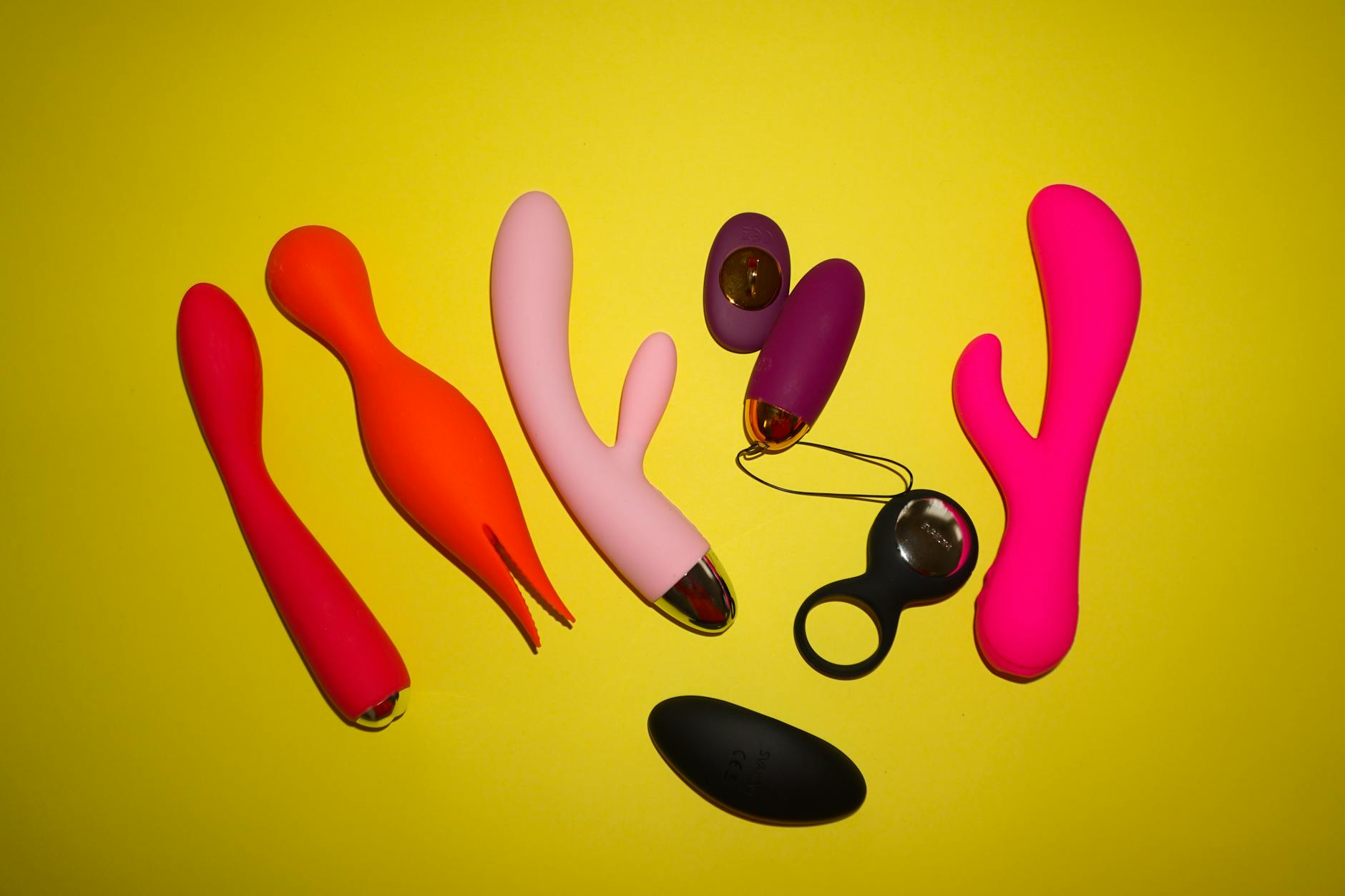
Let's talk about the mismatch nobody plans for
You're ready. Your partner isn't. Not today, not this week, maybe not this month. And somewhere between your desire and their fatigue, resentment starts building quietly. One of you feels rejected. The other feels pressured. Neither of you talks about it directly because it's already awkward enough.
Desire mismatch is one of the most common relationship friction points I see in my practice, and it's rarely about the sex itself. It's about feeling wanted, feeling safe, and feeling like your needs matter without burdening someone else. A lemon clitoral vibrator changes the equation because it removes the performance pressure. Suddenly, pleasure doesn't have to be mutual to be intimate.
Why desire mismatch happens in the first place
Here's what most couples don't realize: libido isn't a character flaw. It's a symptom.
Lower desire shows up for real reasons. Work stress tanks testosterone. Depression flattens arousal. Relationship resentment (even about totally different things) colonizes the bedroom. Hormonal shifts, medication side effects, unresolved conflict, exhaustion, health issues. Sometimes it's nothing you did wrong. Sometimes it's everything, but not the way you think.
The trap is assuming your partner's lower libido is rejection. It almost never is. It's usually fatigue wearing a rejection costume.
When you stop needing them to want sex and start taking care of your own pleasure, something shifts. The pressure lifts. And pressure, I promise you, is what kills desire fastest.
How a lemon vibrator changes the dynamic
Traditional couples' sex often follows this rhythm: one person initiates, the other responds (or doesn't), and if they don't respond, the first person feels shut down. Now both people are in their heads instead of their bodies. Resentment accumulates. Initiating gets riskier. Desire drops further.
A lemon sucker breaks that cycle because it's not about your partner. It's about you.
You can be present together, physically close, without demanding that they perform arousal they don't feel. You can have an orgasm. They can experience intimacy without the pressure to "perform." Neither person is failing. Neither person is rejecting the other. You're just using different tools.
Lemon adult toys work particularly well for this because suction feels fundamentally different from vibration. It's gentler, less stimulation-dependent, and easier to enjoy passively. Your partner can touch you, hold you, be present without needing to maintain an erection or manage their own arousal. Many couples find this actually increases emotional closeness, not distance.
The conversation you need to have first
Introducing a lemon clitoral vibrator into a relationship with desire mismatch requires honesty, but not the kind that sounds like accusation.
Don't: "You never want sex, so I'm getting this."
Do: "I've been feeling disconnected, and I don't think it's because you don't love me. I think we're both stressed and performing instead of connecting. I want to try something that takes the pressure off both of us."
The frame matters enormously. You're not replacing them. You're removing the obstacle so connection can happen.
Some partners will feel relieved immediately. Others will feel threatened until they see it in action. Let them watch the first time if they want. Or don't involve them at all if the goal is just your own pleasure. There's no one correct way. The goal is honesty about what you want and why.
Three ways to integrate it when libidos don't match
1. Use it during partnered sex, with them present but not required to perform.
You're on your back. They're beside you, or between your legs, or holding you. You use a lemon vibrator to get yourself to orgasm while they do whatever feels good to them. Touch you, kiss you, do nothing. The pressure is off. Many people find that removing performance anxiety actually makes them more interested in being involved.
2. Use it while they're doing something else entirely.
They're reading next to you. You're under the covers. Or you're in different rooms, and you text them photos or updates. This is solo pleasure that happens in partnership. It matters because it's not a negotiation. You're taking care of your own needs while respecting theirs.
3. Use it as foreplay, with the understanding that you might finish alone.
Start together. If they get tired or lose interest, you keep going with the lemon clitoral vibrator while they rest or watch or sleep. You get to finish. They don't feel obligated to keep going. Both needs are met.
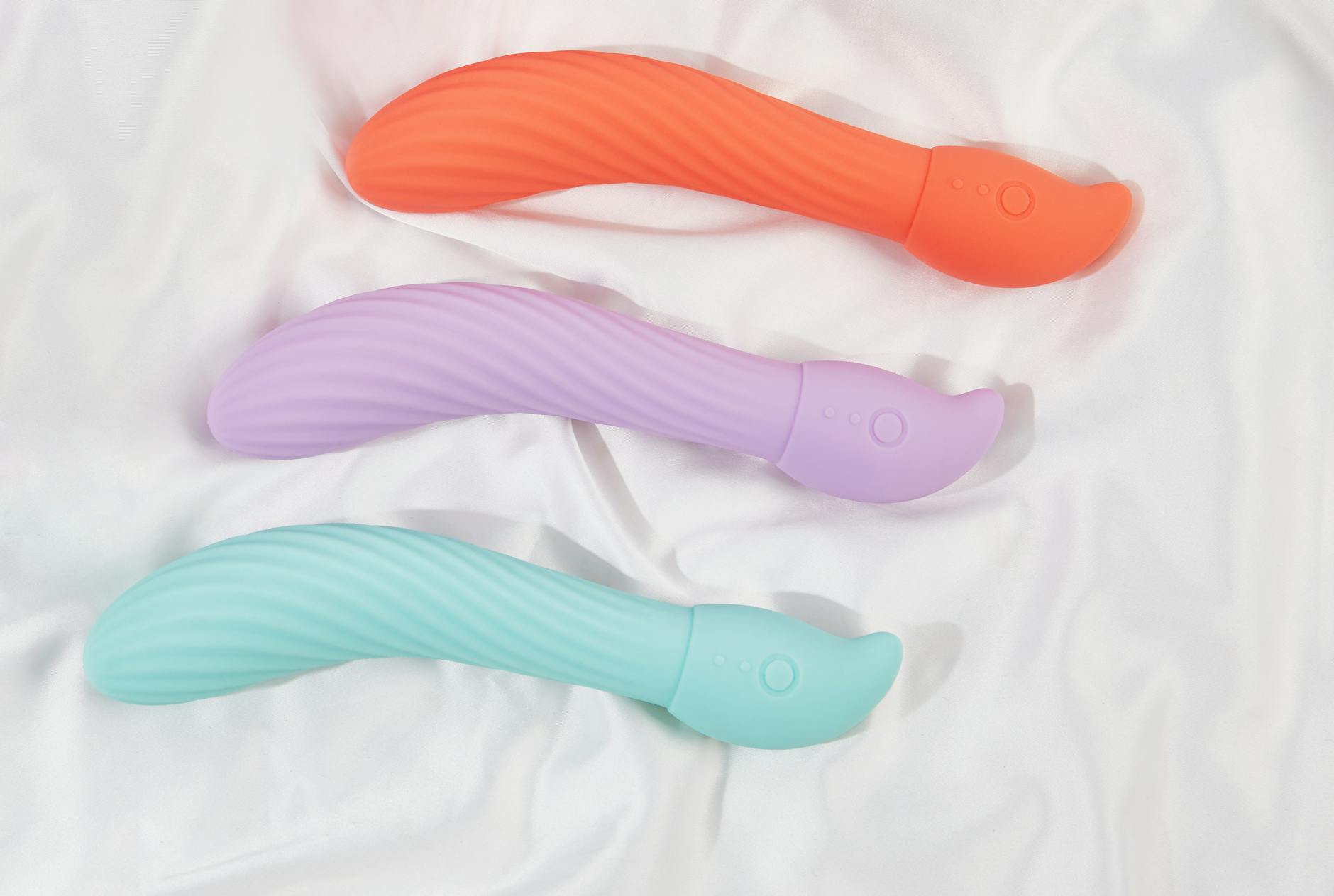
Photo by IFONNX Toys on Pexels
The guilt trap (and how to avoid it)
Many people with higher libidos feel guilty about wanting more sex. They worry they're "too much." They apologize for wanting orgasms. They make themselves smaller to avoid burdening their partner.
Stop. Your pleasure matters. Full stop.
Your partner loving you doesn't require them to want sex as much as you do. And your wanting sex doesn't make you selfish or demanding. These can both be true. A lemon vibrator is not a workaround for a broken relationship. It's a tool that lets both of you have needs met without resentment.
If guilt is sitting heavy, that's usually worth exploring in couples' therapy or on your own. Because the guilt often isn't about the toy. It's about permission. And you deserve that.
When desire mismatch signals something deeper
Sometimes lower libido is just lower libido. Sometimes it's an early warning sign that something else is breaking.
If your partner has zero interest in any physical affection. If they've withdrawn emotionally too. If they're defensive when you bring it up instead of curious. If nothing you try creates even a moment of reconnection. That's different. That's not a desire mismatch. That's a relationship problem wearing a libido disguise.
A lemon sexual toy can help bridge many gaps. It can't fix fundamental disconnection. For that, you might need to talk to someone trained in couple dynamics. And that's not failure. That's wisdom.
The unexpected benefit nobody mentions
Here's what happens when one person stops performing desire and starts owning their own pleasure: sometimes the other person's libido actually comes back.
I've seen it countless times. The pressure was the problem. When you take the pressure off by taking care of yourself, your partner often becomes more interested, not less. Not always, but often enough that it's worth knowing.
You get your needs met either way. Win.
FAQ
Does using a lemon vibrator mean my relationship is in trouble?
Not even close. Using a clitoral vibrator in a long-term relationship is pretty standard at this point. It means you're choosing to take care of your own pleasure instead of resenting your partner for not meeting it. That's actually a sign of a healthy relationship.
What if my partner feels threatened by the vibrator?
That's common and worth naming. Often it's not about the toy. It's about feeling replaced or like they're failing. The most helpful conversation acknowledges that fear without fixing it for them. "I hear that you're worried this changes something. It doesn't. I just want both of us to feel good." Then give them time. Many partners come around once they see it in action.
Can we use a lemon clitoral vibrator if we never have sex?
Absolutely. Using a lemon sucker together can be intimate without being traditional sex. It can be about touch, closeness, and physical connection. Intimacy is bigger than intercourse.
Should I tell my partner before I buy one or after?
Tell them before if you're planning to use it together. Use one privately first if you're just exploring for yourself. There's no wrong timeline. Just don't sneak it as a surprise, because that usually backfires into feeling deceptive.
What if we try this and my partner still wants less sex than I do?
Then you've at least removed the resentment from the equation. You're meeting your own needs, they're not pressured, and you can both be happier. That's actually the win state. Some desire mismatches don't go away. But pressure-free desire mismatches are manageable.
Does using a lemon vibrator mean I should stop asking my partner for sex?
No. Keep asking. Keep showing interest. Keep trying. Just don't let their "no" devastate you because you have another path to pleasure. There's a big difference between "I respect your boundaries" and "I've internalized your lack of desire as my inadequacy." A lemon clitoral vibrator helps you stay on the healthier side of that line.
The real shift
Desire mismatch doesn't have to be a relationship problem. It becomes one when one person resents the other for it. A lemon clitoral vibrator isn't a substitute for your partner. It's permission to stop sacrificing your own pleasure while you wait for their libido to match yours. Sometimes that permission is all you need to move closer again.
If you're ready to explore what works for your body, start here. Your pleasure matters independently of whether your partner wants to participate. That's not rejection of them. That's respect for yourself. And that's where real intimacy lives.