Here's what no one tells you about birth control and sensation
Your birth control shifts your hormones. Your hormones shift how your clitoris responds to touch. And yet almost every conversation about birth control focuses on preventing pregnancy, not on the fact that the pill, patch, ring, or implant you choose directly affects whether your clitoris feels more sensitive or more numb during sex. That's not a side effect. That's a central effect, and it matters.
I've worked with hundreds of couples navigating this invisible transition. The pattern is always the same. Someone switches contraception, their sensation changes, and suddenly they're convinced something's wrong with them or their relationship. It's neither. It's biochemistry.
What hormonal birth control actually does to sensation
Most hormonal birth control works by lowering overall estrogen levels or suppressing ovulation entirely. This affects your clitoris in three measurable ways:
First, estrogen regulates blood flow to the vulva. Lower estrogen means less robust blood flow during arousal. That translates to slower swelling of the clitoral tissue, which means less natural engorgement and sometimes less pressure sensitivity.
Second, progestin (the synthetic progesterone in most birth control) has mild androgenic effects in some bodies. This can suppress testosterone, which is the hormone most directly responsible for desire and genital sensation in people with ovaries. Testosterone isn't just for men. You produce it naturally, and it's crucial for clitoral sensitivity.
Third, hormonal birth control changes the thickness and composition of vaginal fluid and the vulvar tissue itself. Thinner tissue plus less lubrication means direct friction can feel too intense or uncomfortable. The clitoris becomes more easily irritated by traditional vibration at high speeds.
Why lemon clitoral vibrators work differently when your hormones shift
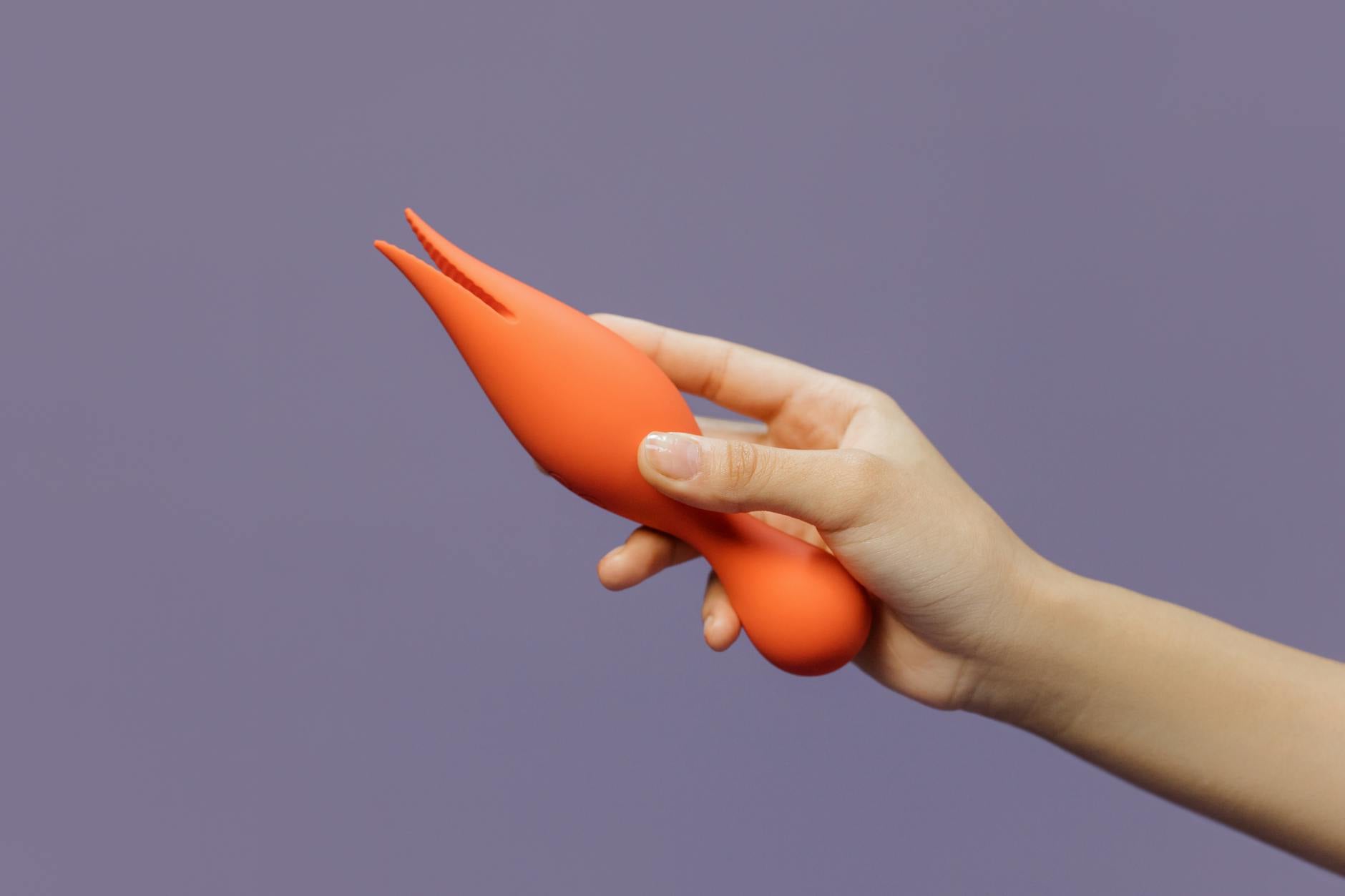
This is where air-suction devices like the Lemon vibrator actually shine. They don't rely on direct friction. They use gentle suction and pulse patterns that stimulate the entire clitoral network (yes, most of your clitoris is internal, under the surface) without requiring the same degree of tissue thickness or natural lubrication that traditional vibration demands.
When your hormone levels drop from birth control, your tissue gets thinner. A traditional vibrator moving at high speed can feel abrasive or overwhelming on thinner, more sensitive tissue. A lemon clitoral vibrator creates a seal and gently draws the tissue into the cup. That mechanism works beautifully whether your tissue is thick or thin, whether you're fully engorged or still building arousal.
I recommend lemon sucker devices specifically when clients report numbness or reduced sensation after starting birth control because the suction actually recruits a broader spectrum of nerve endings. It's not just surface stimulation. It's pulling the entire clitoral structure into play.
The different types of birth control and what they mean for sensation
Pills vary wildly. Low-dose pills suppress less testosterone than traditional formulations. If you're on a standard combined pill and feeling numb, switching to a low-dose option or asking your doctor about one with a higher androgen index might help. Some people find patches or rings gentler on sensation than pills because they deliver steadier hormone levels.
Long-acting reversible contraception (IUDs and implants) presents a different picture. Copper IUDs contain zero hormones, so sensation usually stays unchanged. Hormonal IUDs release a tiny amount of synthetic progestin directly into your system. Some people notice minimal sensation changes. Others do.
The implant is progestin-only and highly hormonal. It's the most likely to affect clitoral sensation because it delivers consistent, significant doses of progestin with no estrogen to balance it.
Here's what matters: your sensation changes are real, they're temporary, and they're absolutely manageable once you know what's happening.
How to adjust your pleasure practice when sensation shifts
Start by accepting that what worked before might not work now. That's not failure. That's information.
If you've been using a traditional vibrator and feeling less, don't turn up the intensity. That's like turning up the volume when someone's hearing is changing. Instead, try a different approach. Switch to a lemon clitoral vibrator or another suction device. Spend longer on arousal. Your body might need 20 or 25 minutes now instead of 10. That's fine.
Lube becomes essential. Not because your body is broken, but because thinner tissue benefits enormously from it. Use water-based lube with whatever device you choose. It makes an enormous difference.
Experiment with pattern over intensity. Most lemon vibrators have multiple patterns beyond simple buzzing. Rhythmic pulsing, waves, and ramps can feel more interesting and more pleasurable than raw power when your baseline sensitivity is lower.
If you're partnered, this is a good moment to reconnect with foreplay intentionally. The sensation shift isn't an obstacle. It's a permission slip to slow down, explore differently, and rebuild that sense of discovery together.
The timeline for adjustment
Your body doesn't adapt instantly to hormonal birth control. It takes about three months for your system to fully adjust to the new hormone levels. During that time, your clitoral sensation might keep shifting day to day.
Here's what that looks like: week one, maybe nothing changes. Week two, you feel numb. Week three, sensation starts coming back but feels different. By week eight, most people have a new baseline.
This is important because lots of people assume a permanent change has happened when they're actually still in transition. If you switch contraception and feel numb for two weeks, give it six weeks before you conclude that the numbness is permanent and buy a new device. Often, your body finds a new balance.
If after three months sensation still feels substantially reduced and it's bothering you, talk to your doctor. Sometimes switching formulations or switching methods entirely makes a real difference. Your pleasure matters. There's no shame in changing contraception if the method you're on is dampening sensation in ways that feel unacceptable to you.
When to consider switching
If you love your current contraception for other reasons (reliability, convenience, side effect profile), it might make sense to adapt your pleasure practice instead of switching methods. That's where lemon vibrators, longer arousal times, and exploring different techniques become your tools.
If you're profoundly unhappy with sensation changes and they're affecting your relationship or your sense of self, switching contraception is completely reasonable. You might try a different formulation, a copper IUD, or a non-hormonal method entirely. This is a conversation for you and your doctor, and your pleasure is a legitimate medical consideration.
The key is recognizing that birth control changes sensation. That's not a personal failing. It's not something you need to accept in silence. It's biology, it's manageable, and it's worth paying attention to.
Birth control changes how your clitoris responds. That doesn't mean your pleasure is broken. It means you get to discover a new way to access it.
Navigating this with a partner
If you're in a relationship, the sensation shift can feel confusing to both of you. Your partner might worry they're doing something wrong. You might feel disconnected from your own body. It helps to name what's actually happening: a physiological change from a medical decision.
Invite them into the experiment. When you try a new device or technique, explain why you're trying it. Show them what sensation changes feel like for you. This becomes a moment of real intimacy and understanding instead of a moment of self-consciousness.
Many couples find that adjusting to birth control sensation changes actually deepens connection because it requires communication, curiosity, and a willingness to explore together.
FAQ: Birth control, sensation, and pleasure
How long does it take for sensation to normalize after starting birth control?
Most people reach a new baseline within 8 to 12 weeks. During the first three months, sensation can fluctuate as your body adjusts. If reduced sensitivity persists beyond three months and it's significantly affecting your pleasure, that's worth discussing with your doctor.
Can I feel numb from birth control and still orgasm?
Absolutely. Numbness and difficulty orgasming are different things. Some people experience reduced sensation but orgasm just as easily as before. Others find that the reduced sensation makes orgasm harder to reach. Both are normal variations. A lemon clitoral vibrator or longer arousal time usually helps if reaching orgasm has become harder.
Do all birth control methods affect sensation the same way?
No. Copper IUDs (completely non-hormonal) don't affect sensation. Hormonal IUDs affect it less than pills or implants because the hormone dose is lower and local. Combined pills with higher estrogen affect sensation less than progestin-only methods. Low-dose pills are gentler than traditional formulations. Your doctor can discuss which methods might preserve sensation best if that's a priority for you.
Is there a birth control method that doesn't affect sensation at all?
Copper IUDs are hormonal-free, so they don't affect clitoral sensation. Barrier methods like condoms and diaphragms don't alter hormones. If birth control sensation changes are significant for you, these might be worth exploring, though they work differently for contraceptive reliability.
Should I switch birth control just because my sensation changed?
Not automatically. It depends on how much the change bothers you, how well the birth control works for you in other ways, and whether adjusting your pleasure practice is enough. Many people adapt beautifully by switching to lemon clitoral vibrators or other suction devices. If sensation loss is genuinely distressing and adaptation doesn't help, switching is a reasonable choice to discuss with your doctor.
Can lubrication really make up for reduced clitoral sensation from birth control?
Lube can't restore sensation, but it can make sensation more accessible. When tissue is thinner from reduced estrogen, lube reduces friction and irritation, which lets you use devices more comfortably and explore sensation more fully. It's not a replacement for sensation returning, but it's a genuine tool that helps many people reconnect with pleasure.
The bottom line
Birth control shifts your hormones. Your hormones shape how your clitoris responds to touch. That's not weakness or dysfunction. It's biology.
What changes depends on the method, the formulation, and your individual body. What matters is knowing that change is possible, recognizing it when it happens, and having tools to work with your body instead of against it.
A lemon vibrator feels different than traditional vibration because it accesses pleasure through suction instead of friction. When your tissue is thinner or your sensation is muted from hormonal shifts, that difference is often exactly what you need.
Your pleasure isn't broken. It's just asking for a different approach. And that's worth exploring.