
Let's talk about sensitivity without the shame
If direct vibration makes you wince, or if you've ever felt that raw, overstimulated feeling after using a traditional vibrator, you're not broken. Your clitoris is just wired differently, and that's completely normal. About one in three people with clitorises report high sensitivity that makes standard vibrators uncomfortable, and most of them spend years thinking they're the problem.
They're not. The vibrator is.
Lemon vibrators, specifically suction-based lemon clitoral vibrators, work in a fundamentally different way than traditional vibrators. Instead of buzzing directly against your sensitive tissue, they use gentle suction and pulsation that engages the broader clitoral network without the grinding friction. The result: intense sensation that doesn't leave you sore or overstimulated.
How suction differs from vibration at the nerve level
Your clitoris has about 8,000 nerve endings, most of them concentrated in the head and glans. But the pleasure sensation doesn't happen at the surface. It happens through layers of tissue and nerve pathways that connect to your entire pelvic floor.
Traditional vibrators buzz back and forth directly on that sensitive head. This creates friction and direct mechanical pressure. For some people, this is incredible. For others, it's like running sandpaper over a raw nerve. The tissue gets irritated, the sensation becomes painful rather than pleasurable, and you stop halfway through.
Lemon vibrators work differently. They create a gentle seal around the clitoral head and apply pulsing suction. This stimulates the nerves without friction. Think of it like the difference between rubbing a muscle and gently pulling it. Both create sensation, but one irritates tissue while the other relieves tension.
The suction mechanism also engages deeper nerve endings that traditional vibrators often miss, which is why many people report that lemon clitoral vibrators feel more intense even though they're gentler on the surface.
Why sensitive clitorises respond better to suction
Three neurological reasons this matters:
1. Less direct pressure on the glans. The clitoral glans is the most sensitive part, but it's also the most prone to overstimulation. Suction-based lemon vibrators distribute stimulation across a larger surface area through negative pressure rather than grinding contact. Your most sensitive tissue gets engaged without getting hammered.
2. Activation of a broader nerve network. Your clitoris extends internally as a wishbone shape under your vulva. Suction stimulation activates those deeper branches, not just the surface nerves. This creates a fuller sensation that many sensitive people describe as more satisfying than surface-only vibration.
3. The rhythmic pattern itself. Most lemon suction vibrators pulse rather than maintain constant buzz. Pulsing allows your nerve endings to reset between stimulations, which prevents the numbing that happens with sustained vibration. You stay sensitive and responsive throughout.
Anatomy that makes lemon vibrators ideal for you
If you have a sensitive clitoris, you might also have one or more of these traits. None are problems. They're just how your body is built:
- A pronounced clitoral hood that makes direct stimulation feel too intense
- Thin or delicate vulvar tissue that irritates easily
- High nerve sensitivity overall (you notice textures more, lights bother you, etc.)
- A clitoris that retracts when overstimulated (your body protecting itself)
- Difficulty reaching orgasm with friction-based stimulation alone
Lemon suction vibrators work because they accommodate these anatomies rather than fighting them. The seal of the device creates a micro-environment that's all suction, zero friction. Your hood stays in place. Your tissue doesn't get raw. And your nervous system gets to stay engaged instead of shutting down.
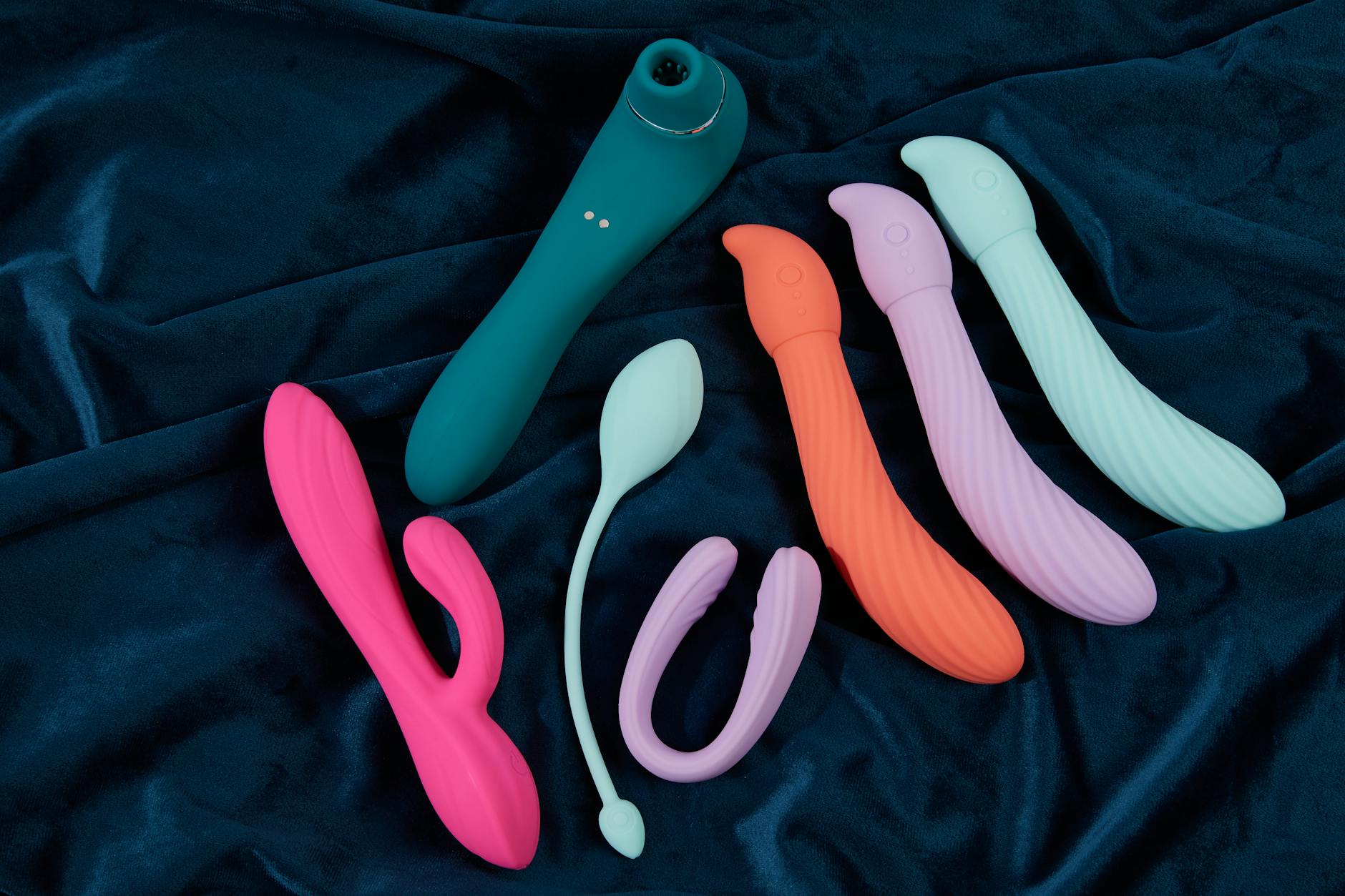
Photo by IFONNX Toys on Pexels
How to use lemon vibrators safely if you're sensitive
Even though suction is gentler than traditional vibration, sensitivity means you need to approach it thoughtfully. Here's what I recommend to my clients:
Start at the lowest setting. Most lemon clitoral vibrators have 3-5 intensity levels. Spend time with level 1 before moving up. You're mapping your sensitivity, not rushing to the strongest sensation.
Apply the seal gradually. Don't plunge the device onto your clitoris at full strength. Let it hover just above your tissue first, then slowly lower it until you feel the seal. This gives your nerve endings time to adjust.
Use lubrication. Even though there's no friction, a tiny bit of water-based lubricant helps the seal form more smoothly and makes the entire experience feel less abrupt.
Session length matters. Sensitivity often means less is more. Ten to fifteen minutes is often more satisfying than thirty. Your nervous system can stay engaged and responsive without that numbing fatigue.
Know your refractory period. After you come, sensitive clitorises need recovery time. Even if you want to go again right away, wait five to ten minutes. This prevents the sore, overworked feeling that can linger for hours.
The difference between sensitivity and dysfunction
One thing I want to be clear about: if traditional vibrators hurt, that's not a sign you're broken or that your body doesn't work. It's feedback that you need a different tool.
Your sensitivity is probably also an asset in other contexts. You might orgasm more easily in certain positions. You might feel your partner's touch more intensely. You might have stronger emotional responses to pleasure. This isn't dysfunction. It's just a different nervous system, and it deserves an approach that honors how it actually works.
Lemon vibrators exist partly because people with sensitive clitorises kept asking for a better option. If you've been using vibrators that feel bad, and you've assumed that means you're just not a vibrator person, try a suction-based lemon clitoral vibrator. Odds are you'll discover the problem was never you.
When sensitivity might signal something else
That said, if you experience sharp pain, burning, or persistent soreness with any device, that's worth mentioning to a gynecologist. Occasionally, tissue sensitivity masks dermatological issues, hormonal shifts, or other things worth knowing about.
Most of the time, though, sensitivity is simply part of your neurology. And the right tool makes all the difference.
FAQ: Sensitive Clitorises and Lemon Vibrators
What is a lemon vibrator exactly?
A lemon vibrator, or lemon clitoral vibrator, is a suction-based adult toy designed to stimulate the clitoris through gentle pulsing suction rather than traditional vibration. The name comes from the distinctive lemon shape of the original design. Instead of a buzzinf action, it creates a seal around the clitoral head and applies rhythmic suction. This approach works well for sensitive tissue because it eliminates friction while still delivering intense sensation.
Can I use a lemon suction vibrator if I've never had an orgasm?
Yes. Many people who struggle to orgasm find that the sensation from a suction-based lemon clitoral vibrator is easier to respond to than traditional vibrators. The broader nerve engagement and lack of numbing friction means your body stays responsive longer. Start with a low setting and focus on sensation rather than outcome. Sometimes removing the pressure of "achieving" orgasm actually makes it more likely.
How is a lemon vibrator different from other air-pulse vibrators?
The main differences are intensity distribution, design specificity, and intensity range. Suction-based lemon vibrators are engineered specifically for clitoral stimulation with tight, focused suction patterns. Other air-pulse devices may be broader or less intense. If you're sensitive, the precise engineering of a dedicated lemon clitoral vibrator usually outperforms a multi-use air-pulse toy because the suction is calibrated for your anatomy.
Will using a lemon suction vibrator desensitize my clitoris over time?
Not in the way traditional vibrators can. One reason people with sensitive clitorises avoid vibrators is that constant buzzing can numb the nerve endings. Suction-based stimulation actually creates less neural fatigue because the pulsing pattern allows your nerves to reset between cycles. Many clients report that regular use of suction vibrators maintains or even increases sensitivity over time.
What setting should I start with if I'm highly sensitive?
Always begin at the lowest intensity setting available. For most lemon vibrators, this is around 40-50 percent of the device's total power, which is still surprising gentle. Spend a few sessions at low intensity before incrementally moving up. You may find that a medium setting gives you everything you need and that higher settings are actually less comfortable. Sensitive nervous systems often respond better to moderate stimulation than maximum intensity.
Is suction-based stimulation safe for daily use?
Yes, as long as you listen to your body. Unlike traditional vibrators that can create tissue irritation from friction, suction vibrators are gentler on delicate tissue. That said, daily use should still feel good, not mandatory. If you're sore, your body is telling you to take a break. Sensitivity is feedback, not a problem to override.
The bottom line
If traditional vibrators make you wince, if you've felt raw or irritated after using them, or if you've simply never found vibration that felt right, your nervous system is just asking for a different approach. Lemon vibrators exist because thousands of people with sensitive clitorises discovered that suction-based stimulation delivers sensation without the friction that causes pain.
Your sensitivity isn't a limitation. It's information. And the right tool transforms that information into pleasure.
If you'd like to explore whether a suction-based approach might work for you, the Hello Nancy team is here to help. Reach out with questions or visit us at /contact to chat about what might work best for your body.