
Here's the thing about trauma and touch
Sexual trauma rewires your threat detection system. Your nervous system learns to brace for harm during intimate touch, which means pleasure becomes impossible. You're not broken. Your body is protecting you. But that protection also locks you out of something you deserve: the ability to feel good on your own terms.
Traditional vibrators, for most trauma survivors, feel wrong. The persistent buzzing, the direct pressure, the way the sensation builds quickly—all of it can trigger the same nervous system response as the trauma itself. You end up working against your body instead of with it.
Lemon vibrators work differently. They don't vibrate; they pulse through gentle suction. That distinction changes everything about how your nervous system experiences the sensation.
What makes suction different from vibration
Vibration is constant stimulation. It's a repetitive sensation that your nervous system processes as persistent input. For someone whose trauma involved forced touch or overwhelming sensations, vibration can feel intrusive even when you're choosing it.
Suction is rhythmic pressure and release. The lemon creates a pulse pattern—a gentle drawing sensation that releases, then draws again. This rhythm mirrors something your nervous system recognizes as natural: the pace of breathing, heartbeat, the ebb and flow of safe physical experiences.
Neuro-wise, this matters. Vibration triggers the same neural pathways as unexpected or uncontrolled stimulation. Suction activates a different system—one associated with comfort, rhythm, and predictability. When your brain can anticipate the rhythm, your nervous system relaxes enough to allow pleasure.
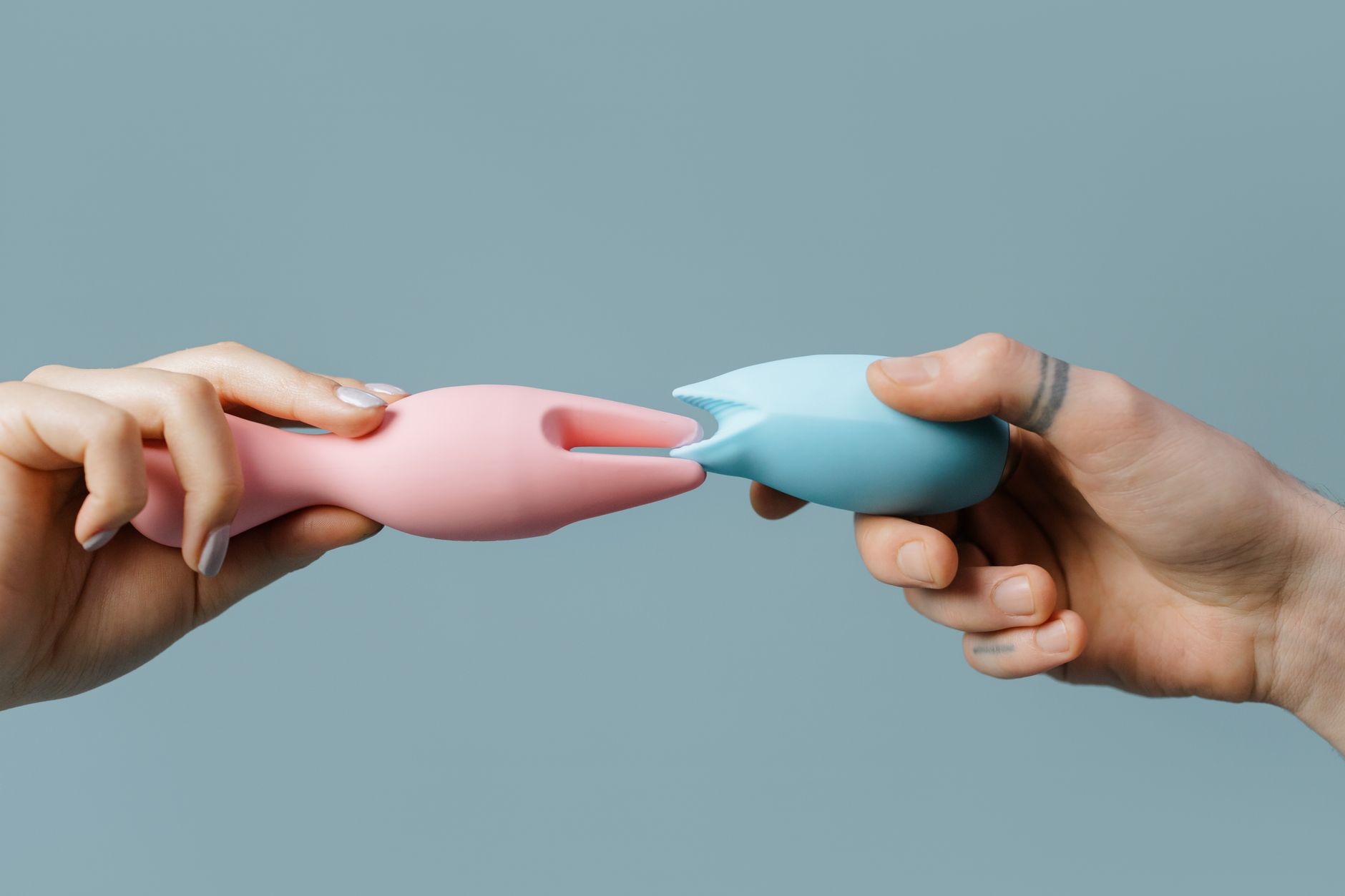
Photo by cottonbro studio on Pexels
The control factor (which is huge)
Trauma steals agency. Someone else controlled what happened to your body. Reclaiming pleasure means rebuilding control, and a lemon vibrator gives you that in ways traditional toys don't.
With a lemon vibrator, you control the intensity precisely. Patterns 1 and 2 are genuinely gentle—not a marketing lie, but actually soft enough that many trauma survivors can use them right away. You're not choosing between "mild vibration" and "medium vibration". You're choosing between five distinct intensities that feel measurably different.
You also control the rhythm. Suction has a natural pulse, but your body dictates how that pulse lands. You can pull away slightly and the sensation softens. You can move closer and it deepens. It's responsive in a way vibration isn't. Your nervous system notices that responsiveness. It means you're in charge, not the device.
Why starting small works better
Most trauma survivors skip traditional vibrators because even the lowest setting feels like too much. The stimulus comes in and your body goes into protection mode. You can't relax enough to feel anything but fear.
The lemon's gentlest setting (pattern 1) feels almost tentative. It's not a compromise or a "lesser" version of pleasure. It's actually the beginning of a conversation with your body. You're asking: "Is this okay?" Your nervous system gets to answer. If the answer is yes, you stay there. If the answer is no, you stop. There's no punishment for either answer.
Many of my clients spend weeks at pattern 1. Some spend months. That's not slow progress. That's exactly right progress. You're teaching your nervous system that you're safe, that you're in control, and that pleasure doesn't come with strings attached.
Combining the lemon with breathwork
The suction pulse naturally pairs with breathing. This isn't accidental. Your body already knows how to sync sensation with breath—it's how you regulate your nervous system during stress.
Here's what works: breathe in for a count of 4, hold for 2, exhale for 4. Let the lemon's pulse synchronize with your exhale. This activates your parasympathetic nervous system, the one responsible for rest and safety. Your breathing literally tells your brain that you're not in danger.
Some survivors find that focusing on breath is the only thing that keeps them grounded. When intrusive thoughts appear—which they will—you have an anchor. The breath, the rhythm, the sensation. Three things working together to keep you present instead of thrown back into the trauma.
The emotional release you might experience
When you've been numb for years, the first time you feel real pleasure after trauma can be overwhelming. Some people cry. Some laugh. Some feel nothing and then panic that they're still broken.
None of that means something is wrong. Your nervous system is learning to process sensation as safe. That's a big shift. Tears, laughter, emptiness—those are all part of the recalibration.
I recommend using the lemon in a space where you feel genuinely safe. Not necessarily alone—some survivors want a trusted partner present, just not involved. Something about someone you trust being nearby while you reclaim your body helps your nervous system believe you're protected. Other survivors need solitude. Figure out what your system needs and honor that.
When to reach out for support
If you're triggering consistently—if the lemon brings back intrusive thoughts or panic—that's not a failure. It means you probably need support from a trauma-informed therapist alongside self-pleasure. That's not weakness. That's wisdom. The nervous system rewiring from trauma takes time and professional guidance.
Look specifically for therapists trained in somatic (body-based) trauma work or EMDR. They understand that healing isn't just mental. It's physical. Your body needs to learn that sensation can be safe, and sometimes you need help teaching it that.
You also don't have to jump straight to solo use. Some survivors find that using the lemon with a partner they trust—where they control the device and their partner just provides presence—is a gentler entry point. There's no shame in that. You're rebuilding trust in your own body and in intimacy. That happens at the pace that works for you.
Building a pleasure practice that sticks
Healing from trauma isn't about forcing yourself to enjoy something you're numb to. It's about creating conditions where pleasure can exist, then letting pleasure come naturally.
Set a realistic rhythm. Once or twice a week is more sustainable than daily pressure. You're not trying to prove anything. You're trying to create a habit of safety, self-compassion, and the knowledge that your body can feel good without conditions attached.
Start with pattern 1. Stay there for weeks if that's what your body needs. Add the breathing practice. Notice what thoughts arise. Notice what feels different in your body—even small shifts like warmth or tingling or the absence of bracing.
The lemon vibrator is a tool. But the real work is you deciding that your pleasure matters, that you deserve sensation without threat, and that your body's capacity for joy is worth protecting and rebuilding. The suction, the rhythm, the control—those are just the delivery system for that commitment.
FAQ: Lemon vibrators and trauma recovery
Can I use a lemon vibrator if I'm still in trauma therapy?
Absolutely, and actually it often helps. Talk with your therapist first so you're on the same page, but using the lemon is an act of agency and self-care. Many trauma survivors find that solo pleasure practice strengthens their nervous system and complements therapy. The key is that you're always in control and you stop if anything feels wrong.
What if I feel nothing at all using a lemon vibrator?
Numbing is a common trauma response. Your nervous system might be protecting you from sensation entirely. That's not permanent. Stick with pattern 1 for several weeks. Sometimes feeling nothing is the first step toward feeling something. Your body is learning that sensation can be safe. That takes time.
Can I use a lemon vibrator with a partner after trauma?
Yes. Some trauma survivors find partnered use healing because they're in control the entire time. You hold the lemon, you decide the intensity, your partner is just present and supportive. This can rebuild trust in intimacy and in your partner. Just make sure you talk beforehand about what you need and what happens if you want to stop.
Do lemon vibrators help with flashbacks during sex?
Indirectly, yes. If you practice using the lemon solo and it helps your nervous system understand that pleasure can be safe and controllable, that learning transfers to partnered sex. You're teaching your body a new baseline: sensation doesn't automatically mean harm. Some of that rewiring carries over.
Is it okay to use a lemon vibrator if I'm on antidepressants?
Yes. Antidepressants don't interfere with suction-based toys. Numbness from medication is different from trauma-based numbness, but the lemon's gentleness still works well. Many survivors on SSRIs find that the lemon's lower initial intensity makes sensation accessible when other toys feel overwhelming.
How do I know if I'm ready to use a lemon vibrator after trauma?
There's no magic moment. You're ready when you decide you want to reclaim pleasure on your terms. That might be six months after trauma, or six years. Your nervous system will tell you if something doesn't feel safe—listen to that. But the lemon's gentleness is designed so that your body has room to say yes gradually, not all at once.
You deserve this
Sexual trauma tries to convince you that your body is a liability. That pleasure is a threat. That safety and sensation can't exist together.
None of that is true.
Your nervous system can learn. Your body can heal. A lemon vibrator is just a tool, but it's a tool designed for exactly this—for someone rebuilding trust in sensation, one gentle pulse at a time. The suction, the rhythm, the control you hold in your hands. That's not a compromise version of pleasure. That's pleasure rebuilt from the ground up, exactly the way your system needs it.