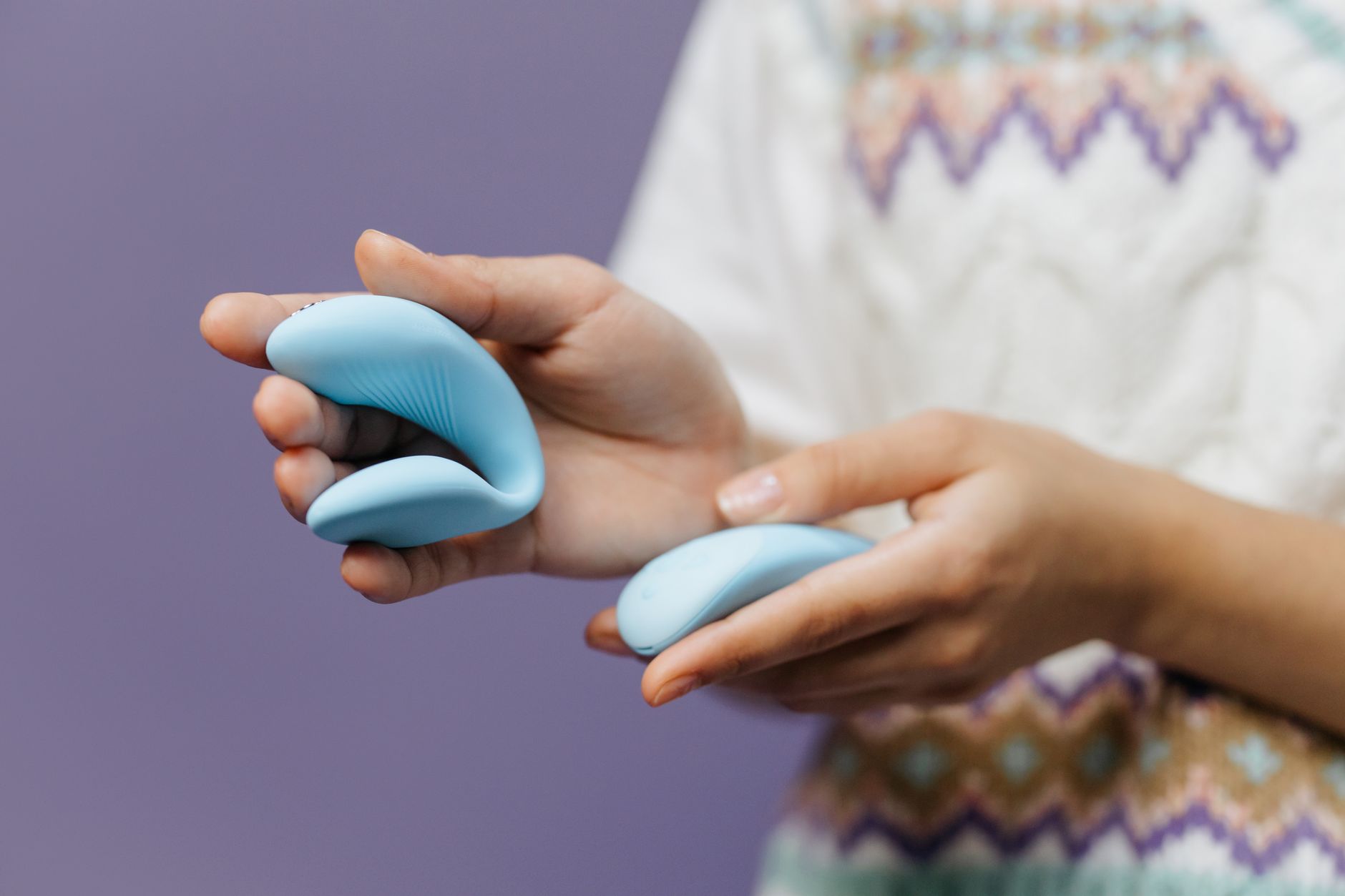
Let's talk about what actually changes
Here's the thing nobody mentions: your clitoris doesn't age the way you think it does. It doesn't shrivel or stop working. What changes is the tissue around it, the nerve sensitivity profile, and how quickly blood flows to the area when you're aroused. That's actually fixable. And that's where lemon vibrators come in.
Over time, collagen in the vulva breaks down slightly, which means the skin can become less elastic. The clitoris itself has around 8,000 nerve endings, and that never changes. But the protective tissue around those nerves thins. Direct pressure that felt amazing at 25 can feel aggressive or even uncomfortable at 45, 55, or 65. It's not weakness. It's biology.
Why friction-based vibrators stop working as well
Most vibrators work by applying repetitive pressure directly to the clitoris. At higher intensities, this can actually overwhelm the nerve endings when tissue is more delicate, which creates a numbing sensation rather than pleasure. You turn up the settings searching for that spark, nothing happens, and you assume the problem is you.
It isn't.
When clitoral tissue becomes more sensitive to pressure (not less sensitive overall, but pressure-sensitive), a traditional vibrator can feel like the equivalent of someone tapping your arm too hard. Your body pulls away. Arousal stalls.
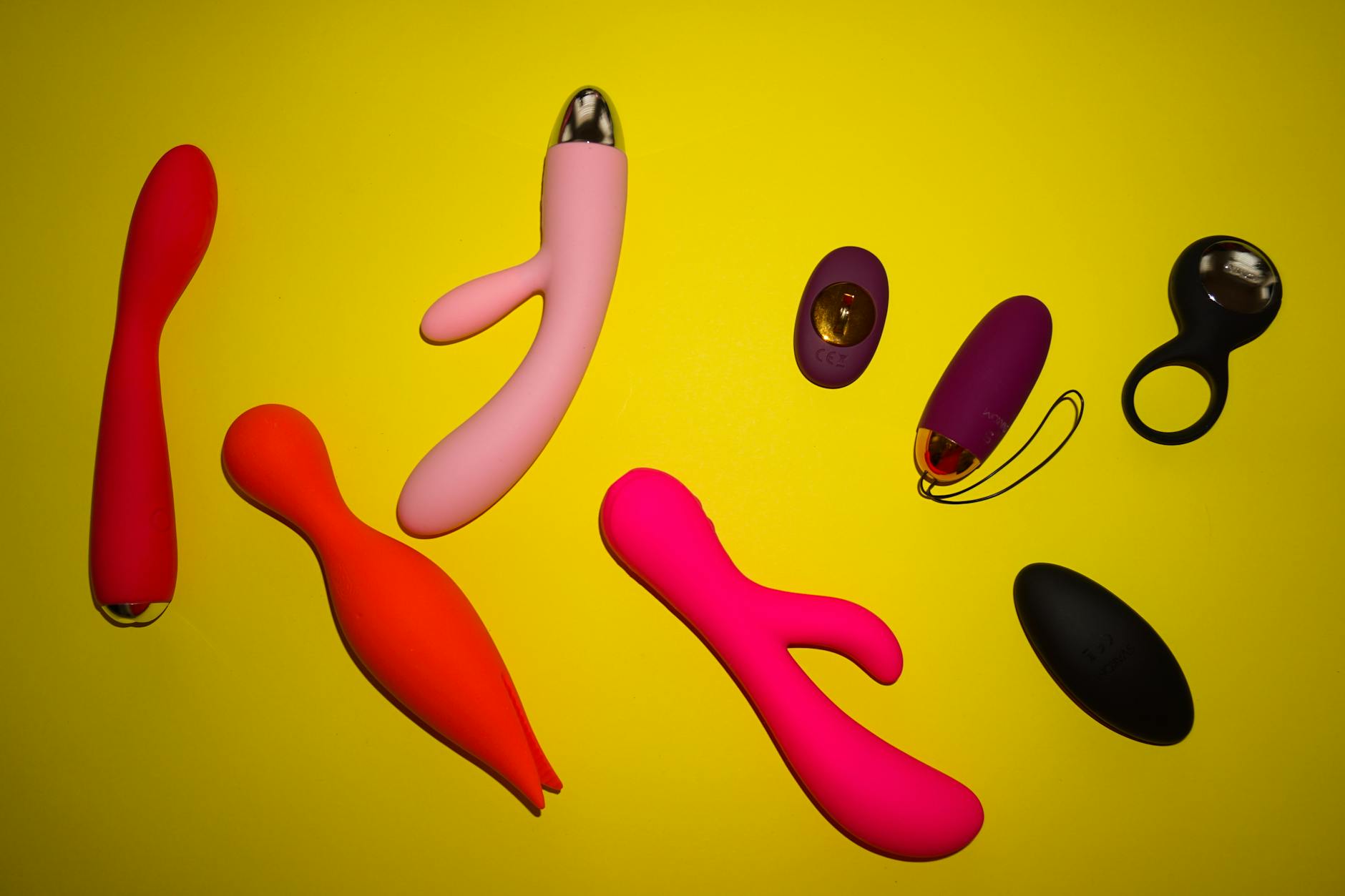
Photo by FounderTips on Pexels
How suction works differently than friction
Lemon vibrators use air-suction technology instead of direct vibration. Rather than tapping or buzzing against the clitoris, they create a gentle seal and rhythmic suction patterns that stimulate the entire clitoral complex, not just the external tip.
This matters because your clitoris is actually 9 centimeters long. Most of it is internal. Suction reaches the internal structures the way direct vibration never can. It's like the difference between poking a nerve versus activating it from multiple angles at once.
For people with pressure-sensitive tissue, suction feels like awakening, not assault. It's a completely different sensation pathway. Your nerve endings respond because they're being stimulated intelligently, not just hammered.
The speed and sensation rebuild
When you switch from friction to suction, arousal often takes a few seconds longer to build. That's not a bug. That's the design working. Slower buildup means your nervous system has time to wake up gradually rather than being shocked into overstimulation.
Most of my clients who've switched to lemon vibrators report that their first orgasm feels different: less intense in a sudden way, more rolling and sustained. Some describe it as