When heartbreak touches your pleasure
Here's what nobody tells you about breakup recovery: your body remembers. Not just emotionally, but physically. After a long-term relationship ends, the nervous system that learned to trust one person suddenly has to recalibrate. Arousal, orgasms, even the ability to feel sensation sometimes vanishes. This isn't failure. It's grief wearing a physical disguise.
Many people I work with describe this as numbness. Others say their arousal is there, but it feels fragile, like it might evaporate if they reach for it. Some experience a confusing mix of both. All of these are normal post-breakup responses.
The good news: your pleasure capacity hasn't gone anywhere. It's just been temporarily rerouted by stress hormones, attachment loss, and the simple fact that your body doesn't yet trust that it's safe to feel good again.
What breakup does to your nervous system
When you've been sexually intimate with one person for years, your body builds a library of safe signals tied to that person. Their voice. Their touch. The way they moved. Your parasympathetic nervous system (the one that allows arousal) learned to relax in their presence. When that person leaves, so does the external permission your body had learned to rely on.
Cortisol and adrenaline surge during and after a breakup. These stress hormones actively suppress the conditions arousal needs: safety, time, neural bandwidth. Your body is in survival mode, and survival mode doesn't prioritize pleasure.
On top of this, many people also experience a profound identity shift. If you've been partnered for years, pleasure was often framed around or alongside someone else. Returning to solo pleasure sometimes triggers confusion or guilt. There's also the practical fact that your brain's reward system took a hit. Dopamine dipped. The brain circuits that light up during arousal need rebuilding.
This is why generic advice like "just use a vibrator" fails. Your nervous system isn't ready for intensity yet. It needs something gentler, more graduated, and designed for sensitivity.
Why clitoral vibrators like the Lem work differently post-breakup
Traditional vibrators tend to create a lot of sensation very quickly. That works fine when your nervous system is already primed for pleasure. Post-breakup, speed can feel jarring. It can actually trigger your sympathetic nervous system (fight-or-flight) instead of calming it.
Lemon clitoral vibrators, particularly suction-based tools like Nancy's Lem, work differently. Instead of percussion or friction, they use gentle suction that mimics the sensation of oral stimulation. This is neurologically softer. It creates a more diffuse sensation across the clitoral area instead of a focused buzz.
Why does that matter post-breakup? Because diffuse, gentle sensation allows your parasympathetic nervous system to engage without overwhelm. You can feel pleasure without it feeling threatening or demanding. It's the equivalent of a warm hand instead of a sudden shock.
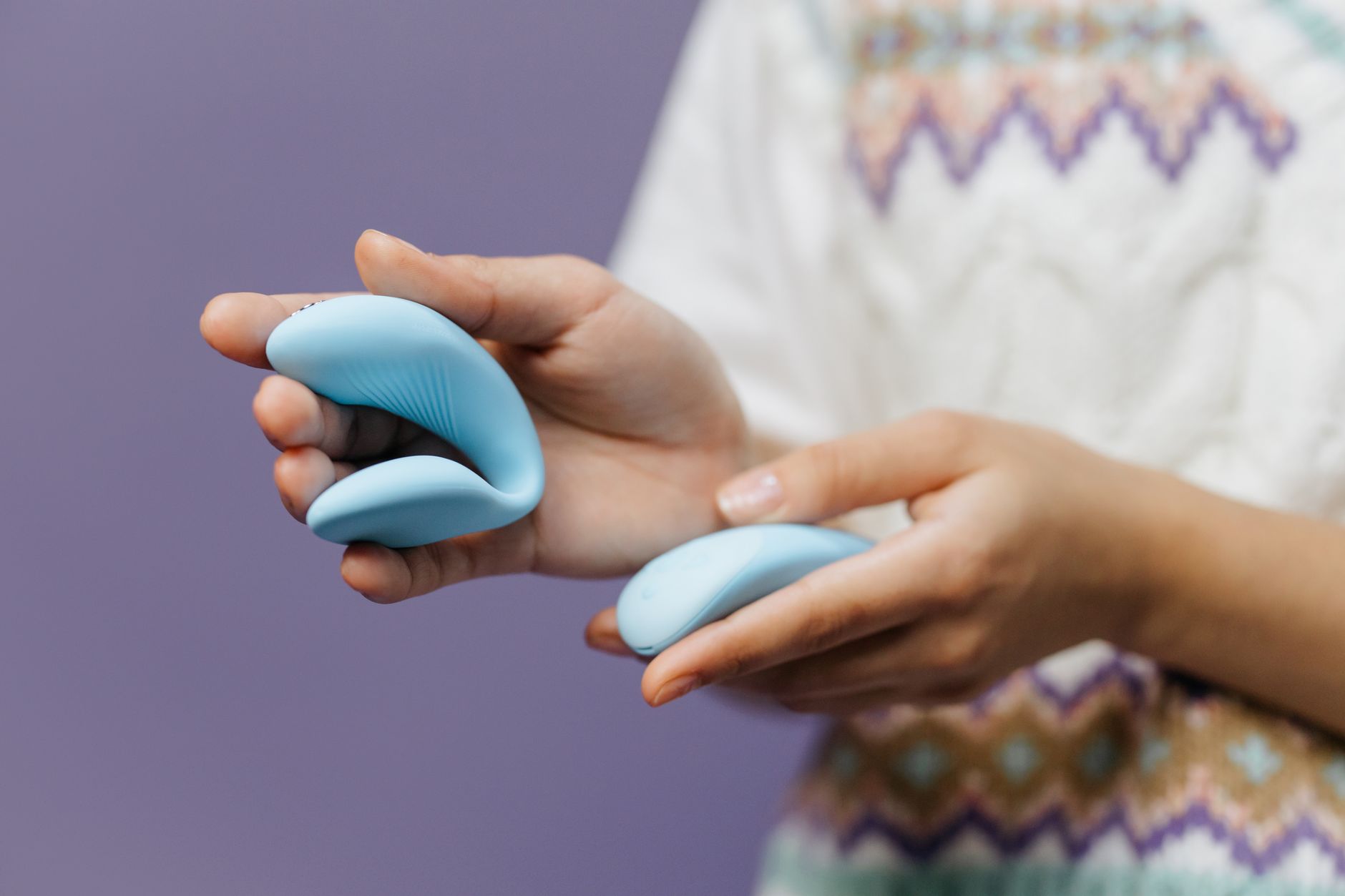
Photo by cottonbro studio on Pexels
The three stages of post-breakup pleasure recovery
Stage one: reconnection (weeks one to four)
During this phase, your job isn't to have an orgasm. Your job is to become friendly with sensation again, with zero performance pressure.
Start with the Lem on the lowest pattern (pattern one or two). Spend 10 to 15 minutes simply noticing what sensation feels like. No goal. If nothing happens, that's fine. You're rebuilding the neural pathway that says "this is safe, this feels okay." You might feel scattered or emotionally raw. That's normal. Your brain is still processing.
I recommend doing this in a space where you feel genuinely safe. Not rushed. Not listening for footsteps. Many people find it helpful to light a candle or play music that isn't connected to the past relationship. You're creating a new sensory context.
If tears come, let them. If you feel nothing, that's also fine. If you notice a flutter of sensation, pause and sit with it. Your nervous system is learning that pleasure is available again without the other person present.
Stage two: exploration (weeks four to twelve)
Once you've spent a few weeks on the gentlest patterns, you can gradually explore higher intensities. The key word is gradually. Move from pattern two to pattern three. Spend several sessions there before going higher. This isn't a race.
You might also notice that pleasure feels different than it did with your partner. It might be less intense, or it might surprise you by being more intense. Both are fine. You're rewriting the map of your own pleasure without someone else's rhythm or preferences shaping it.
This is also the phase where emotional processing happens. You might feel grief mid-arousal. You might feel angry. You might feel relieved. These emotions are passengers, not the destination. Let them pass through.
Most importantly: continue building solo arousal capacity. This isn't about replacing the lost relationship. It's about proving to yourself, neurologically, that pleasure is still available. That your body still works. That you can generate your own safety.
Stage three: integration (twelve weeks onward)
By now, your nervous system has rebuilt enough trust that you can explore higher patterns, longer sessions, or even different tools. But the real milestone here is that you no longer feel disconnected from your own body's responses.
Many people find that pleasure post-breakup becomes richer in some ways. Because it's not entangled with another person's needs or rhythms, it can be entirely yours. That's a form of ownership that's worth grief to gain.
Practical tips for rebuilding without pressure
Start with the lowest pattern and stay there for at least one week. I know it sounds slow. Your nervous system doesn't perceive slow as slow. It perceives slow as safe. That matters more than efficiency right now.
Set a timer for 15 minutes maximum. Longer isn't better. Your brain needs to know this is bounded, controllable, and won't open Pandora's box of emotions for two hours straight.
Never use orgasm as a goal in the early stages. Use sensation as the goal. Pleasure without performance is what rewires your nervous system. When orgasm comes naturally, great. If it doesn't, that's data, not failure.
Use a lemon clitoral vibrator in a position where you feel secure. Lying down is often better than sitting. Your whole body relaxed matters. Some people prefer using it over underwear at first, which reduces direct stimulation and allows a slower integration.
Notice your thoughts without judgment. You'll probably think about your ex. You might think about whether you're "doing it right." These thoughts are just your brain processing. Acknowledge them and return to sensation.
Build privacy and consistency. Same time of day, same space, if possible. Your nervous system learns through repetition. Same conditions signal to your brain that this is part of your new normal.
When emotional support matters more than hardware
If orgasm recovery is taking longer than a few months, or if you're experiencing intrusive thoughts about your ex during arousal, consider talking to a therapist who specializes in grief or relationship recovery. Pleasure recovery and emotional recovery are linked. Sometimes one can't fully happen without addressing the other.
If you notice that you feel shame or guilt about masturbation, that's also worth exploring with a professional. Many people internalize messages that solo pleasure is somehow a betrayal or a failure to move on. It's not. It's exactly the opposite. Solo pleasure is how you reclaim your body as your own.
While a lemon vibrator is a helpful tool, it's not a substitute for the deeper nervous system work that grief requires. Use it alongside therapy, time, and self-compassion. Not instead of.
Common questions about breakup pleasure recovery
How long does it typically take to feel arousal again after a breakup?
It varies widely, but most people start noticing shifts in their nervous system around four to eight weeks. That said, some people take several months, and that's completely normal. The longer the relationship, often the longer the recalibration. This isn't linear. You might feel fine one day and dysregulated the next. That's grief working through your system.
Is it normal to feel nothing during solo pleasure for weeks after a breakup?
Completely normal. Numbness is one of the nervous system's protective responses to loss. Your brain is essentially saying, "I'm going to pause pleasure right now because this doesn't feel safe." Continuing to engage gently with sensation, without pressure for results, eventually signals safety back to your nervous system. Patience here is actually the intervention.
Can using a lemon vibrator trigger painful memories of the past relationship?
It's possible, especially if sex was a significant part of the relationship or if the breakup was sudden or painful. If this happens, it's not a sign you're broken. It means your nervous system is processing. Some people find that setting an intention before using a vibrator helps. Something like, "This is for my own body, my own recovery," can help separate the tool from the past relationship.
Should I wait until I'm "over" my ex before rebuilding pleasure?
No. Pleasure recovery and emotional recovery happen in parallel, not in sequence. By denying yourself pleasure while you heal, you're sending your nervous system the message that you need to stay numb longer. Starting gentle, low-pressure exploration actually helps your nervous system trust that it's safe to feel again. The two processes feed each other.
Is it okay to feel different types of arousal after a breakup than I did before?
Not only is it okay, it's almost guaranteed. Your nervous system has been rewired. You might be more sensitive in some areas. Less sensitive in others. You might have different preferences about speed, pressure, or context. This isn't loss. It's your body telling you who you are when someone else's needs aren't part of the equation. Listen to that.
What if I can't orgasm even after several months of gentle exploration?
First, check whether you're still putting pressure on yourself to achieve orgasm, even if you intellectually know better. Our nervous systems respond to subtle pressure too. Second, consider whether medication, stress, or other medical factors might be at play. And third, consider whether working with a sex-positive therapist who specializes in pleasure recovery might help. Sometimes talking through the blocks is what unlocks the pathway.
What comes next
Recovering pleasure after a long-term breakup isn't about "getting back to normal." Normal was tied to another person. What you're actually doing is creating a new relationship with your own body, your own desire, and your own pleasure. That's a completely different thing, and often a much richer one.
Your lemon vibrator is just a tool. The real work is nervous system recalibration. The real healing is remembering that your body belongs entirely to you, and that feeling good is something you can give yourself.
If you want to explore more about rebuilding intimacy after major life transitions, I've written about how to rebuild desire when life changes happen. And if you're navigating the even trickier situation of rebuilding pleasure while managing physical sensitivity, how lemon vibrators help when you feel disconnected from your body might help too.
Take your time. Your pleasure is worth the patience.