Here's the thing about stress and grief
Your desire doesn't disappear because something's wrong with you. It disappears because your nervous system has decided survival mode is more important than pleasure. That's not a bug. That's biology protecting you. But it also means you're stuck in a loop where the guilt about lost desire creates more stress, which kills desire even faster.
I work with couples and individuals through this cycle constantly. The pattern is almost always the same: life happens (illness, loss, work collapse, caregiving), arousal flatlines, and then panic sets in. People assume they've broken something permanent. They haven't. But reconnecting takes intentionality, especially when your body has learned to prioritize protection over pleasure.
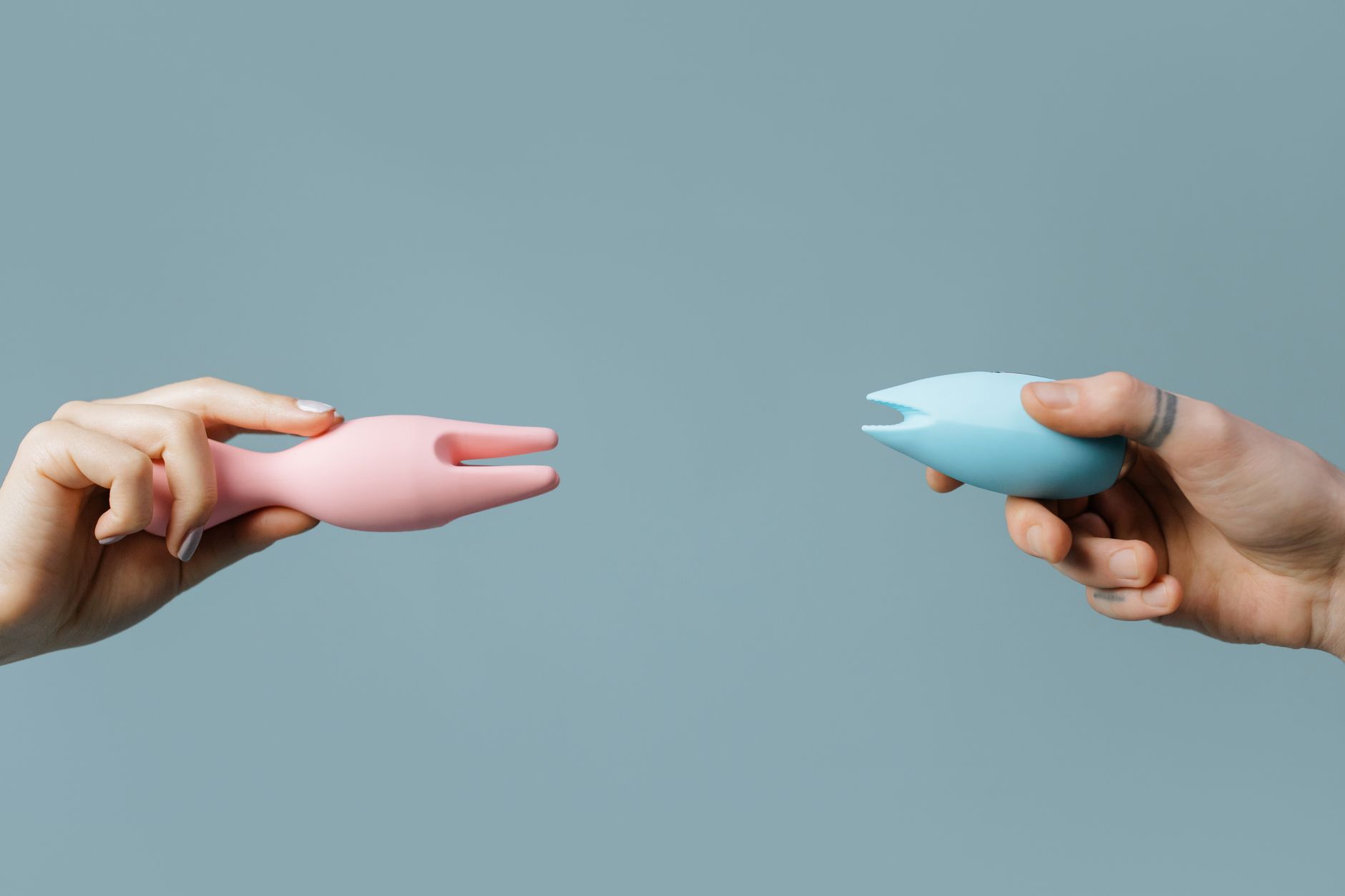
This is where a lemon vibrator becomes useful. Not because it's magic, but because it works with your nervous system rather than against it. The suction technology of a lemon clitoral vibrator creates stimulation that feels different from traditional vibration. It's gentler, more rhythmic, and easier to feel when your nervous system is already stretched thin.
How stress actually shuts down arousal
When you're under chronic stress or grieving, cortisol stays elevated. Your body stays in fight-or-flight mode. The parasympathetic nervous system (the one that allows arousal) takes a back seat. Blood doesn't flow where it needs to. Your brain stays fixated on the threat. Pleasure becomes literally impossible to access, not because you don't want it, but because your body has shut down the pathway.
Grief adds another layer. Pleasure can feel like betrayal when you're grieving. If someone died, had you continue having an orgasm feels wrong. If your relationship is struggling under stress, arousal feels like you're not taking things seriously enough. The guilt becomes its own arousal killer.
This is especially true for people in long-term relationships. The stress that kills individual desire also kills partnership desire. Then you add the pressure of "we should still be intimate" on top of the original stress. That pressure is usually the final nail.
Why a lemon vibrator helps when nothing else does
A lemon clitoral vibrator uses suction instead of traditional vibration. This matters neurologically. Suction stimulates the clitoris without the buzzing sensation that can feel overwhelming when your nervous system is already overstimulated. It's more rhythmic, more contained, and easier for your brain to process when you're in survival mode.
Second, using a lemon vibrator removes the performance pressure. You're not waiting for spontaneous desire. You're not relying on a partner. You're not forcing yourself through quickening or faking response. You're just sitting with sensation, no timeline, no goal beyond noticing what feels okay.
Third, solo use of a lemon adult toy helps rebuild the neural pathways between stress and pleasure. Right now those pathways are cut. Every time you access even small pleasure solo, you're retraining your body that pleasure is possible even when life is heavy. That's not selfish. That's maintenance.
The actual protocol: how to start
First, drop any goal about "having an orgasm." That's the pressure talking. Your goal for the first week is just getting familiar with the sensation. That's it.
Choose a time when you have genuine privacy and at least 20 minutes without interruption. Stress kills arousal partly because your nervous system is listening for threats. If you're half-listening for footsteps or texts, your parasympathetic nervous system won't activate. Real privacy is non-negotiable.
Start with a shower or bath. Warm water activates the parasympathetic nervous system. Spend 10 minutes just sitting in warmth. No rush. Then when you're ready, dry off and find somewhere comfortable. A bed, a chair with good back support, whatever feels safest.
Apply a water-based lubricant generously. When you're stressed, natural lubrication often doesn't happen. That's normal. Lube isn't cheating or a sign something's wrong. It's removing friction from the equation so sensation can be the only variable.
Start on the lowest pattern of your lemon vibrator. The suction should feel rhythmic and gentle, not intense. Many people under stress need 3-5 minutes just to feel the stimulation, because their clitoris has gone a little numb from the stress response. That's not broken. That's expected. Stay with it without rushing.
If you feel nothing, that's information, not failure. Your nervous system might not be ready yet. Put the vibrator down, stay warm, breathe. Try again in a few days. Forced pleasure isn't pleasure.
When you're grieving and pleasure feels like betrayal
If you're using a lemon clitoral vibrator while grieving, you might hit a wall of guilt. That's real and worth naming directly.
Pleasure doesn't mean you didn't love the person who died. It doesn't mean you're not taking your loss seriously. Pleasure means your nervous system is healing. That's allowed.
For people grieving a relationship (death, breakup, loss of how things were), pleasure feels like moving on before you're ready. That's understandable. But your body's capacity for pleasure isn't disloyalty. It's recovery.
I often tell clients: if the grief and guilt are absolutely overwhelming, don't force it. But when you're ready, a lemon vibrator is one of the gentlest ways to start reconnecting with your body as a source of safety, not just pain.
If you have a partner, this conversation matters
If you're in a relationship and your desire has dropped from stress or grief, your partner is probably stressed too. They might interpret your lack of arousal as rejection. That misunderstanding becomes its own stressor.
Have a separate conversation from any attempt at sex. "My desire has flatlined because of what we're going through. That's not about you. I'm going to spend some time reconnecting with my body solo. That's rebuilding, not replacing our connection." Most partners understand that immediately.
Using a lemon vibrator alone while your partner knows about it often reduces anxiety in the relationship. It says "I'm working on this, I haven't given up, and I'm not blaming you." Then, once you've rebuilt some sensation solo, partnered intimacy becomes less fraught because it's not carrying the weight of "this is our only way to stay close."
Timing matters more than you think
Don't use your lemon sexual toy when you're in acute crisis mode. If someone just died, or you just lost a job, or your relationship just broke down, your body needs time to process before pleasure comes back online. That's not laziness. That's wisdom.
But there's a middle phase, usually a few weeks to months in, where you're not in acute shock anymore but you're still numb. That's actually the ideal time to start with a lemon vibrator. You're not forcing pleasure into active crisis. You're rebuilding during the recovery phase.
If it's been months or years and arousal still hasn't returned, using a lemon vibrator when your libido has dropped becomes even more important, because the longer you go without accessing pleasure, the harder the neural pathway rebuild becomes.
The patience part is non-negotiable
You didn't lose arousal overnight. You won't get it back overnight either. Most people need 3-4 weeks of regular solo use before they feel a real shift. That's not slow. That's normal.
During that time, you might notice other changes before arousal comes back. Better sleep. Less muscle tension. Ability to focus. Those aren't sideline benefits. They're signs your nervous system is downregulating. Arousal is downstream from that. Let it come when it comes.
If you're in a relationship, this is also a perfect time to rebuild desire when life changes happen. Solo pleasure and partnership intimacy are different conversations, and both matter. Using your lemon clitoral vibrator regularly tells your partner "I'm invested in us feeling good again." That usually opens things up more than pressure ever could.
FAQ
Does using a vibrator make it harder to orgasm without one?
No. This is a persistent myth. What actually happens is your nervous system gets recalibrated. If you've been stressed and numb, a lemon vibrator helps you remember what sensation feels like. Once you're remembering, everything becomes more available. Your body, your partner's touch, your own hand. Using a lemon vibrator isn't a dependency. It's a reset button.
What if I still feel nothing after two weeks of trying?
Your nervous system might need more time, or grief might still be too acute. That's not failure. You might also benefit from talking to a therapist about what's underneath the numbness. Sometimes arousal is the symptom, and the real issue is something else entirely. A lemon vibrator can help, but it's not a replacement for processing grief or trauma.
Can I use a lemon vibrator with a partner if I've been struggling with desire?
Absolutely. In fact, once you've rebuilt sensation solo, partnered use often feels easier because you've already done the reconnection work. You know what feels good. You're not putting pressure on your partner to fix you. You're working together from a place of information instead of panic.
How often should I use a lemon vibrator when I'm stressed?
3-4 times a week is usually ideal. That's enough for your nervous system to start relearning the pathway to pleasure, but not so frequent that it becomes another obligation. If you feel pressure, you're doing it too much. It should feel like something you're choosing, not something you have to prove.
Is it normal to feel emotional during or after using a lemon vibrator when grieving?
Completely normal. Your nervous system is processing. Sometimes that comes with tears or sadness or relief. All of that is part of healing. Don't interrupt it. Let it move through.
What if my partner is the source of the stress or grief?
Then using a lemon vibrator becomes even more important, because solo pleasure is entirely yours. It's not about your partner's performance or availability. It's about reconnecting with yourself. If your relationship is the stressor, a vibrator won't fix the relationship. But it will help you stay grounded while you figure out what comes next.
The real work is rebuilding trust with your body
Stress and grief teach your body that safety comes before pleasure. That's protective in the moment. But when the crisis passes, your body sometimes forgets that pleasure is also available. A lemon vibrator helps you remember. Not through force, but through gentle, consistent reconnection.
Your desire will come back. Not overnight. But it will. And when it does, it'll probably feel different. Deeper, maybe. Slower. More intentional. That's not worse. That's actually what arousal looks like when you're not running on adrenaline. That's the part nobody tells you about recovery.