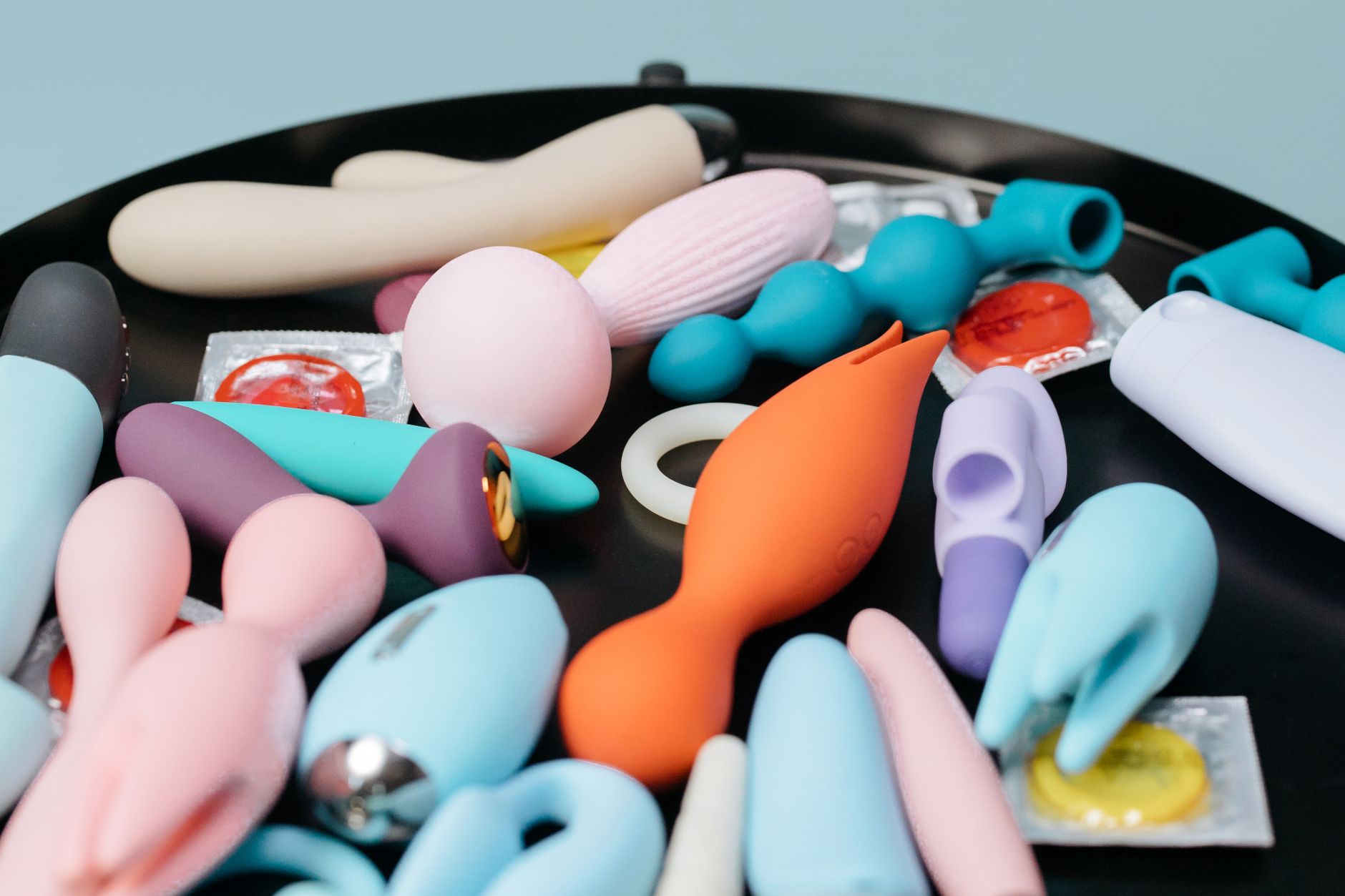
Lemon Vibrator When Estrogen Drops: Navigating Tissue Changes With Suction Toys
Here's the thing about estrogen and pleasure
When estrogen levels drop, your vaginal and clitoral tissue gets thinner, loses elasticity, and produces less natural lubrication. That's not a secret or a shame. It's just biology. And it matters because traditional vibrators, which rely on direct mechanical vibration, can feel irritating, overstimulating, or even painful when tissue becomes more delicate.
This is where lemon vibrators and suction-based toys change everything.
What actually changes when estrogen drops
Let's get specific. Estrogen supports collagen and elastin in vaginal tissue. When it declines, that tissue thins. The clitoris, which has thousands of nerve endings and is highly sensitive to begin with, becomes even more sensitive to direct friction.
At the same time, your body produces less of its own lubrication. And your pelvic floor muscles lose some of the support estrogen provided, which can make orgasms feel different or harder to reach.
Here's what doesn't change: your capacity for pleasure, your nerve density, or your ability to orgasm intensely. Your brain still responds the same way. Your desire doesn't vanish. What changes is the mechanism. The old tools might not fit the new landscape.
Why lemon suction toys work differently than vibrators
Traditional vibrators work through oscillation. They move back and forth or in circles. This creates friction against tissue. When tissue is thin or sensitive, friction can feel harsh. You might notice rawness, irritation, or a sensation of overstimulation even at lower speeds.
Lemon sexual toys work through gentle suction and pulsing rather than vibration. They create a rhythmic squeeze pattern that stimulates the thousands of nerve endings in your clitoris without direct friction. It's the difference between someone tapping your skin repeatedly versus someone squeezing gently and releasing.
For people experiencing tissue thinning, this distinction is enormous. Suction-based stimulation feels gentler, more controlled, and less irritating. Many clients tell me they can use a lemon clitoral vibrator for longer periods without discomfort.
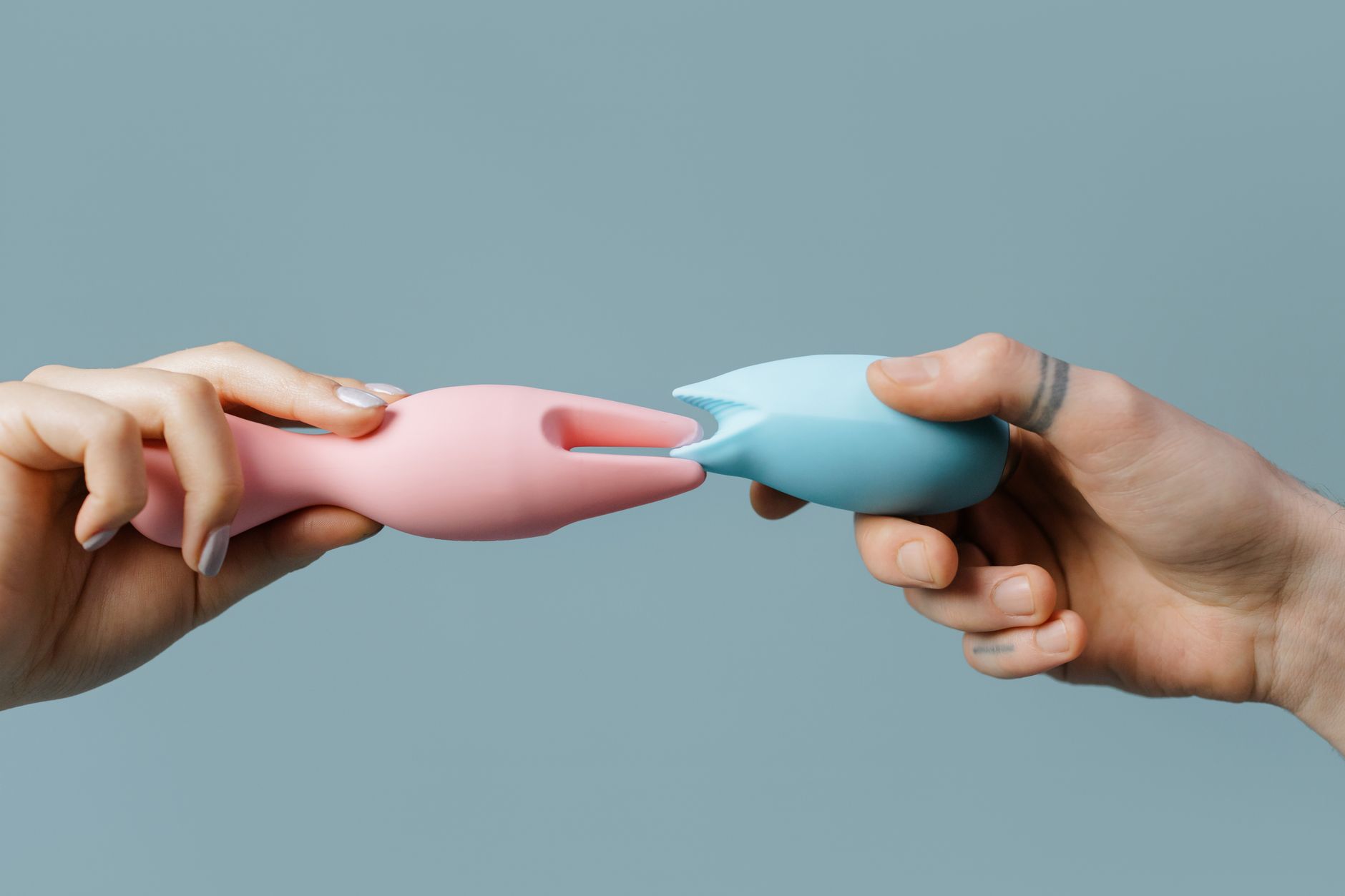
Photo by cottonbro studio on Pexels
The practical shifts you need to make
If you've been using traditional vibrators and are transitioning into perimenopause or early menopause, four things help immediately.
1. Lubrication becomes non-negotiable
Your body isn't lazy or broken. It's just producing less of what it used to make automatically. Water-based lubricant is your friend. Apply it generously and reapply as needed. This isn't a temporary fix. It's permanent infrastructure now. The right lube transforms the entire experience from uncomfortable to fully pleasurable.
2. Start with lower intensity settings
If you're switching to a lemon vibrator from traditional toys, begin at setting one or two. Your tissue needs time to adjust. You can always increase intensity, but starting too high can create soreness that lasts hours afterward. Build gradually. Most people find they don't need high intensity anyway because suction is so effective.
3. Extend your warm-up time
Arusal takes longer to build when estrogen is lower. Budget 15 to 25 minutes before you use any toy, rather than 5 to 10. This isn't wasted time. It's your nervous system coming online. Foreplay, fantasy, or simply being present with your own breathing and sensation prepares tissue for stimulation. Rushing this step makes everything else feel harder or less satisfying.
4. Pelvic floor awareness shifts
As estrogen declines, pelvic floor tension can increase. This sounds counterintuitive, but it happens. Many people develop a subtle guarding pattern. Kegels (pelvic floor contractions) are useful, but learning to fully relax your pelvic floor is equally important. Tensioning fights against pleasure. Try breathing into your pelvic floor instead of clenching.
When to reach for a lemon clitoral vibrator versus other toys
Lemon adult toys and suction-based toys work particularly well if you're experiencing tissue sensitivity, thinning, or reduced lubrication. They're excellent if traditional vibrators have started to feel uncomfortable. They're also ideal if you want longer sessions without irritation or soreness.
Traditional vibrators still have their place. But when estrogen shifts, a lemon vibrator often becomes the more comfortable, more effective choice.
Here's a framework: if direct touch or traditional vibration used to feel good and now feels raw or too intense, switch to suction. If lubrication and warm-up time solve the problem, you might stay with what you have. If you're newly exploring pleasure and want to avoid irritation from the start, start with a lemon vibrator.
The emotional layer that matters
Tissue changes are real, measurable, and fixable. But they often arrive with a story: "My body is broken." "Pleasure is getting harder." "This means I'm old now." These thoughts are common and completely understandable. They're also not true.
Estrogen shifts are a transition, not an ending. Learning to use a lemon sexual toy instead of a vibrator isn't a compromise. It's adaptation. Many of my clients report that suction-based toys deliver more intense, more reliable orgasms than anything they used before. The pleasure doesn't diminish. It transforms.
Photo by cottonbro studio on Pexels
Partner communication during tissue changes
If you're in a relationship, talking about these shifts matters. "My body is responding differently to stimulation" is information your partner deserves. It's also not a referendum on attraction or desire.
Many couples find that exploring a lemon clitoral vibrator together becomes a reconnection moment. It's something new to learn as a team. It's not a failure of what came before. It's evolution.
What the clinical research tells us
Studies on genitourinary syndrome of menopause (GSM) show that people using vaginal moisturizers, lubricants, and toys that don't rely on direct friction report higher satisfaction and lower pain ratings than those using traditional toys alone. Suction-based devices show particular promise for tissue comfort.
The research also shows that regular use maintains pelvic blood flow and tissue health, which actually helps mitigate some estrogen-related changes over time. Your lemon vibrator isn't just providing immediate pleasure. It's also supporting long-term tissue resilience.
When to see a specialist
If lubrication, warm-up time, and a lemon vibrator don't resolve discomfort within two to three weeks, book an appointment with a menopause-informed gynecologist. Genitourinary syndrome is real and often treatable with topical estrogen creams that have minimal systemic absorption.
If you're experiencing complete loss of desire alongside tissue changes, testosterone therapy is worth discussing. It's available, and for many people, it's life-changing.
FAQ: Estrogen Changes and Lemon Vibrators
How long does it take to adjust to using a lemon vibrator after tissue changes?
Most people feel more comfortable within the first week or two. The key is starting low and building gradually. Your tissue isn't damaged. It's just different, and it adapts quickly when given the right stimulus pattern. Within a month, most people report that suction toys feel more natural than their previous options.
Can I still have an orgasm when estrogen is lower?
Absolutely. Your nerve endings are still there. Your brain still responds the same way. Your orgasm capacity is not gone. What changes is the mechanism to get there. A lemon vibrator often makes orgasms easier and more reliable because suction avoids the friction that can feel painful on thinner tissue.
Is using a lemon clitoral vibrator a sign that something is wrong with me?
Not even close. It's a sign that you're paying attention to your body and using the right tool for your current landscape. Many people use suction toys by choice because they feel better, not because something is broken. Tissue changes are normal. Adapting your tools is smart.
What if a lemon vibrator still feels too intense?
Start at the absolute lowest setting. Increase lubrication. Extend warm-up time even more. If intensity is still an issue, look for a toy with gentler suction patterns. You might also benefit from topical estrogen cream to support tissue thickness before using any toy. Talk to your gynecologist about options.
Can traditional vibrators and lemon vibrators be used together?
Yes. Some people alternate depending on the day, their energy level, or what feels right. Having both options available removes pressure. You're not locked into one tool. You're building a toolkit that serves different moods and different body states.
Do I need to change lubrication if I'm using a lemon vibrator?
Water-based lube works with all toys and is safest for silicone. Stick with water-based for any lemon sexual toy. Silicone-based lubes can degrade silicone toys over time. The right lube isn't an upgrade. It's foundational infrastructure.
The bottom line
Estrogen shifts change your tissue, not your capacity for pleasure. A lemon vibrator or other suction-based toy often becomes your most comfortable, most effective option when hormones change. Lubrication, time, and gentler intensity matter. And if discomfort persists, a menopause-informed doctor can help.
Your pleasure matters. It deserves tools that fit your body right now, not tools built for a body you used to have.
Resources
For more on navigating tissue sensitivity during hormonal shifts, read about how lemon vibrators compare to traditional vibrators for sensitive skin. If you're also managing other life changes, how to use a lemon vibrator when desire drops after stress or grief offers practical strategies. And for couples navigating this transition together, why lemon vibrators work better than traditional vibration for couples explores partnership dynamics. If you have questions about your specific situation, reach out to our team.